Introduction
Bats are the only true flying mammals, with over 1,500 species accounting for nearly one-fifth of all mammal diversity. Yet for decades, scientists struggled to pinpoint where these creatures first evolved. A new massive study combining genome sequencing and fossil evidence finally solves that mystery, tracing bat origins to Europe in the wake of the dinosaur die-off.
What Happened
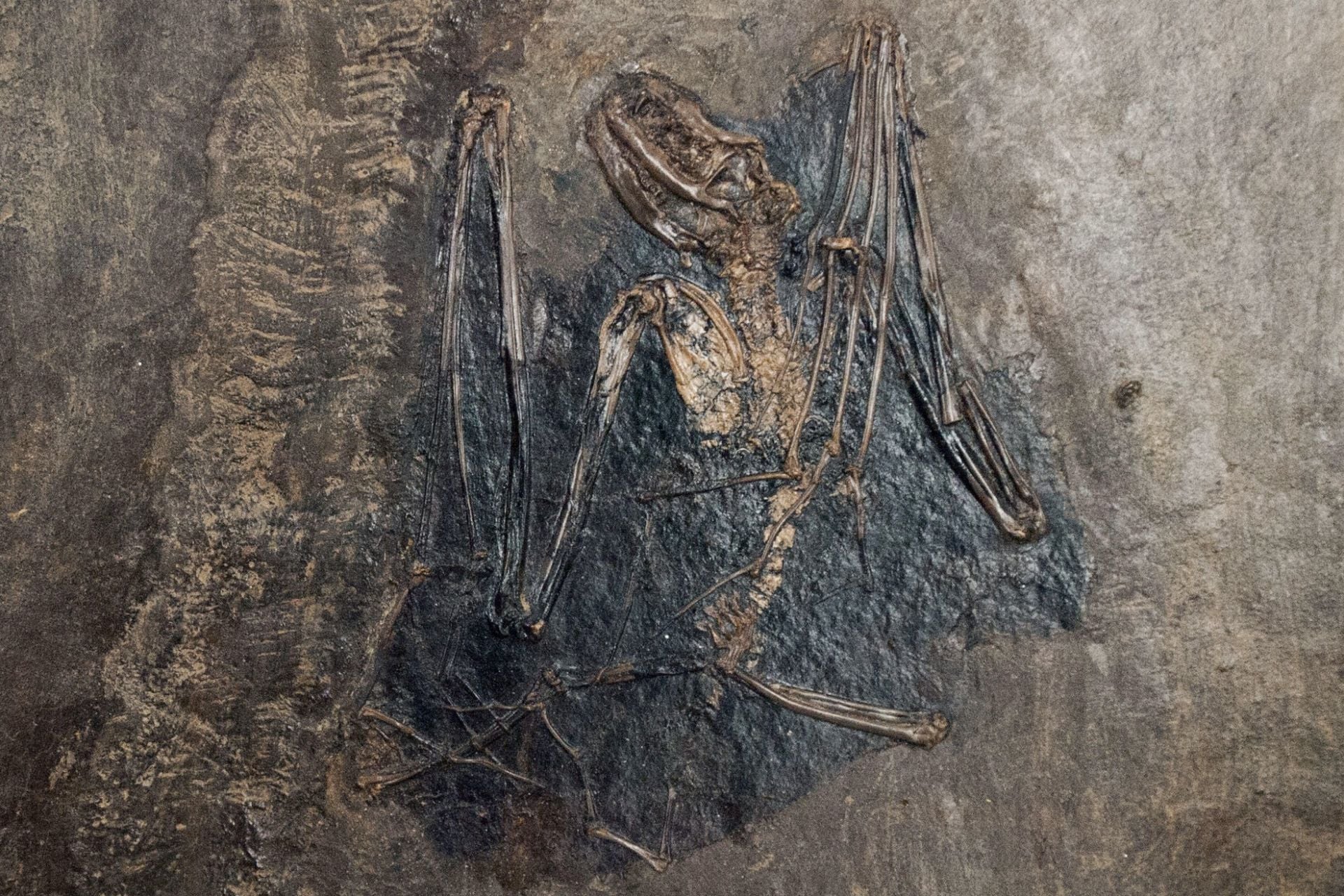
Researchers with the Bat1k project sequenced 103 bat species across all 21 families and analyzed 44 fossil specimens. Their genetic and anatomical analysis, published in Nature, confirms that the earliest bats appeared in Europe about 65 million years ago, right after the asteroid impact that ended the non-avian dinosaurs. The study also reveals that echolocation—bats' signature navigation skill—likely originated very early in bat history, present in the first major branch of the family tree. The team reconstructed 26 ancestral bat chromosomes and involved 134 scientists from 64 countries, making it the most comprehensive bat evolutionary analysis to date.
- Sequenced 103 bat species across all 21 families
- Analyzed 44 fossil specimens to anchor evolutionary timing
- Reconstructed 26 ancestral bat chromosomes
- Collaborated on the effort by 134 researchers from 64 countries
Why This Matters
Understanding where bats came from and how they evolved gives scientists a crucial framework for studying their unique traits: exceptional longevity, viral resistance, and specialized diets. The findings come at a critical time, as approximately 80% of bat species are threatened, declining, or poorly studied. By establishing a solid evolutionary baseline, the research aims to accelerate conservation efforts and deeper biological insights that could benefit medicine and ecology.
Key Takeaways
- First bats emerged in Europe roughly 65 million years ago, shortly after the Cretaceous-Paleogene extinction event.
- The Bat1k project’s genome and fossil data show echolocation evolved early in bat lineage history.
- The study involved 134 researchers from 64 countries, sequencing 103 species and 44 fossils.
- Nearly 80% of bat species face extinction risk, conservation decline, or lack of data, highlighting urgent need for protection.
- Open genomic resources will enable future research into bat immunity, aging, and dietary adaptations.
Conclusion
The long-standing puzzle of bat origins is finally resolved, with Europe taking center stage as the birthplace of the world's only true flying mammals. Beyond satisfying scientific curiosity, this roadmap equips conservationists and biologists with the tools to protect a group of mammals vital to ecosystems worldwide. As researchers continue expanding the bat genome atlas, even more secrets about how bats resist disease, live decades beyond typical mammal lifespans, and thrive in diverse niches are within reach.



Discussion
Join the conversation
Thoughtful reactions, questions, and follow-up ideas help shape the next story.