Introduction
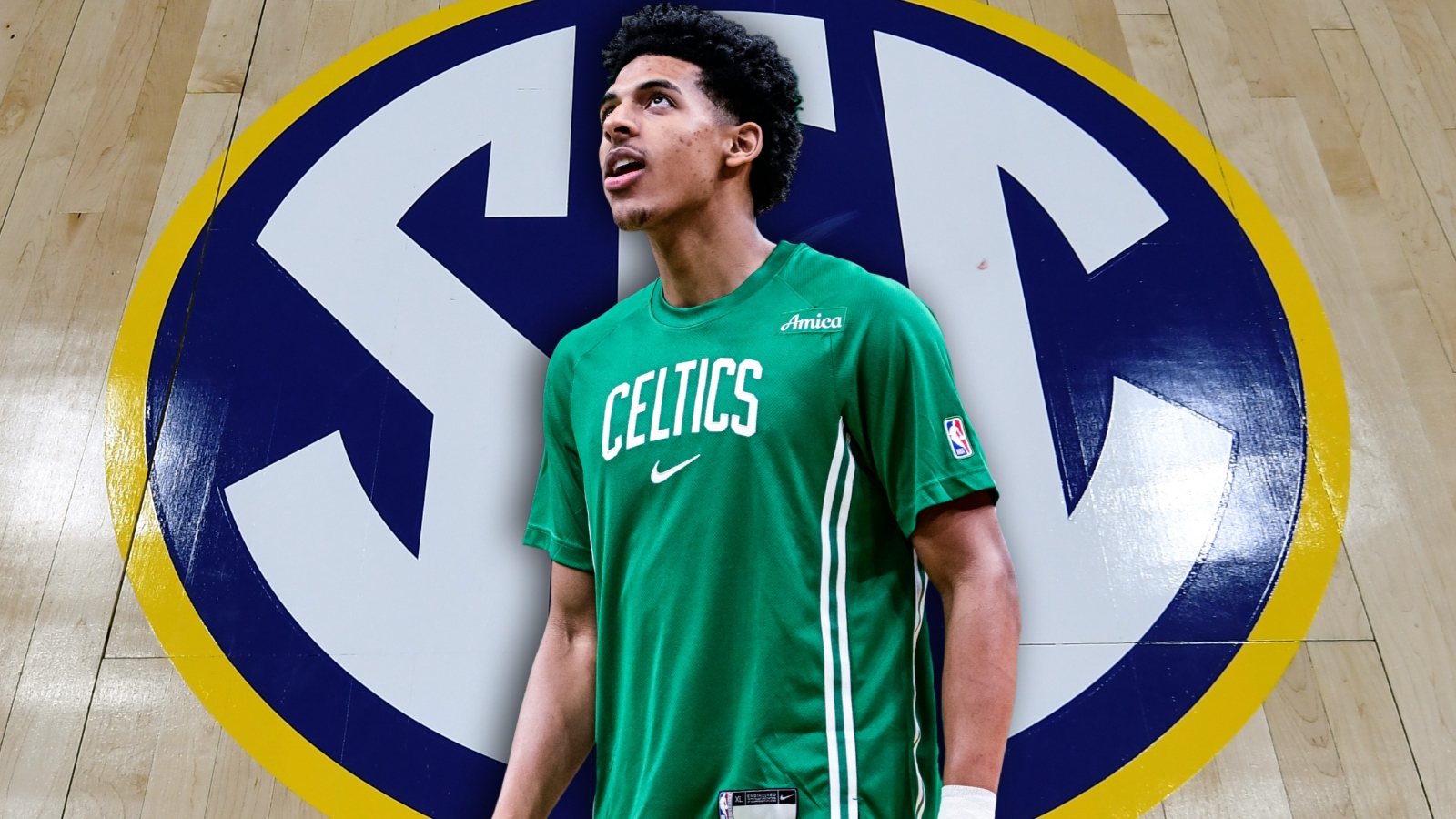
The Southeastern Conference found itself in an awkward position this week after publicly reprimanding LSU for adding guard RJ Luis Jr. to its men's basketball roster. The criticism arrived shortly after the league told the Tigers it would not issue fines or penalties for complying with a court order. The episode underscores the widening gap between conference regulations and the legal realities of modern college athletics.
What Happened
RJ Luis Jr. opened his college career at UMass before transferring to St. John's, where he was named Big East Player of the Year in 2025. After declaring for the NBA Draft, he went undrafted but signed a two-way contract with the Utah Jazz. He was later traded to the Boston Celtics and appeared in several preseason games before being released before the regular season.
LSU coach Will Wade pursued Luis while rebuilding the roster. Following a months-long legal dispute, a Baton Rouge judge issued a preliminary injunction requiring LSU to place Luis on its roster. The SEC then notified the university that it would abide by that order and would not fine or penalize LSU for adding him.
Despite that private accommodation, the conference released a public statement calling the move "deeply concerning and disappointing" and said it conflicted with membership expectations. The statement stood out because the SEC had not issued a comparable public rebuke when Alabama used a similar legal route to add Charles Bediako last season.
Luis could make his debut against UL Monroe. The SEC may also escalate the dispute to federal court if he plays outside Louisiana, including the upcoming Acrisure Series in California or a future conference road game at Alabama.
Why This Matters
This situation shows how conferences are losing control over roster decisions as players and schools increasingly rely on the courts. The SEC adopted new rules over the summer intended to block athletes who tested the professional market from returning to college, but those rules are now colliding with injunctions and legal challenges. The public scolding of LSU, combined with the league's earlier threat to expel the school over football roster additions involving Lane Kiffin, suggests the SEC is struggling to enforce its own policies in the post-amateurism era.
Key Takeaways
- The SEC publicly criticized LSU for adding RJ Luis Jr. despite previously agreeing not to penalize the school under a court injunction.
- Luis went undrafted in 2025 but signed with the Jazz, was traded to the Celtics, and appeared in Boston's preseason before being released.
- A Baton Rouge judge ordered LSU to add Luis to its roster after a months-long legal battle.
- The SEC's statement called the roster move "deeply concerning and disappointing," drawing comparisons to its quieter handling of Alabama's addition of Charles Bediako.
- The conference could pursue federal action if Luis plays in an out-of-state game, including upcoming non-conference or road SEC contests.
Conclusion
For now, RJ Luis Jr. is eligible to play for LSU, and the SEC appears bound by the preliminary injunction while it remains in effect. Yet the conference's conflicting signals—privately approving the addition while publicly condemning it—highlight a broader problem in college sports: rulebooks written for a different era are struggling to keep pace with legal challenges, NIL deals, and player movement. Whether the SEC escalates the fight to federal court may depend on where LSU's schedule takes the team next.
Discussion
Join the conversation
Thoughtful reactions, questions, and follow-up ideas help shape the next story.