Introduction
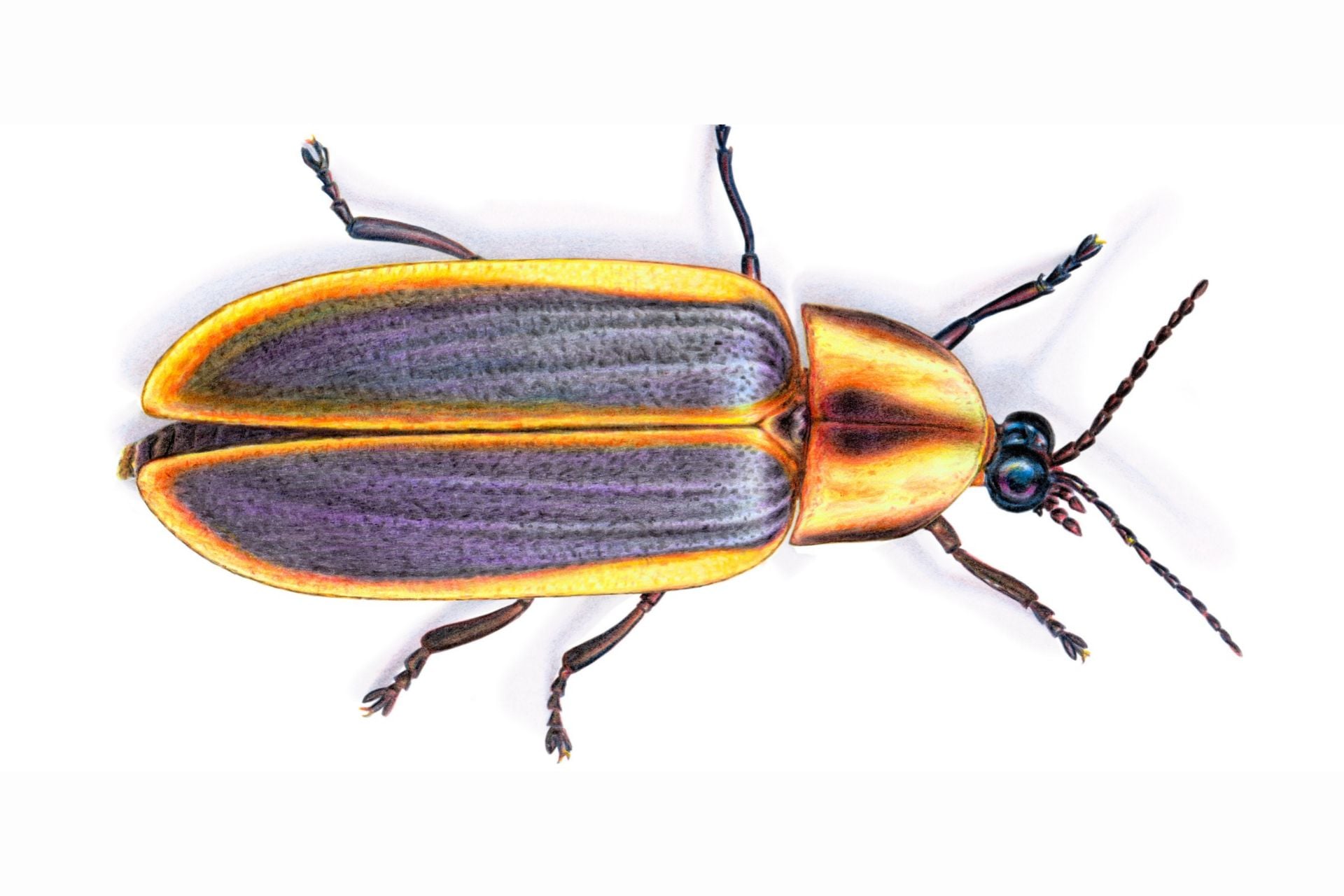
The similar firefly, scientifically known as Pyractomena similis, vanished from scientific records for over four decades before being found again in 2026. Its rediscovery in Delaware sheds light on the resilience of species once thought lost to time.
What Happened
Researcher Christopher Kitt Heckscher and his team located the firefly at Brandywine Creek State Park after conducting a targeted survey. The insect's distinctive amber flash pattern helped confirm its identity, and male genitalia examination ruled out closely related species. The finding was published in the Journal of Lost Species this month.
Why This Matters
The rediscovery matters because it proves that species presumed absent can still persist in small, protected habitats. It also underscores a broader trend: at least 28 other firefly species across the US and Canada remain officially lost, with no confirmed sightings in over a decade.
Key Takeaways
- The similar firefly was last documented in 1983 and recently found at Brandywine Creek State Park.
- Habitat loss and light pollution are key threats to its continued survival.
- Targeted surveys using flash-pattern identification prove effective for rediscovering missing species.
- At least 28 other North American firefly species still lack confirmed recent observations.
- Protecting meadow habitats and reducing artificial light can support both known and lost insect populations.
Conclusion
Finding the similar firefly again is more than a win for entomology its a signal that careful observation and focused fieldwork can still uncover species we thought vanished forever. As researchers plan follow-up surveys, the discovery offers a roadmap for locating other lost insects and highlights the importance of preserving the natural meadows these creatures call home.









Discussion
Join the conversation
Thoughtful reactions, questions, and follow-up ideas help shape the next story.