
Introduction
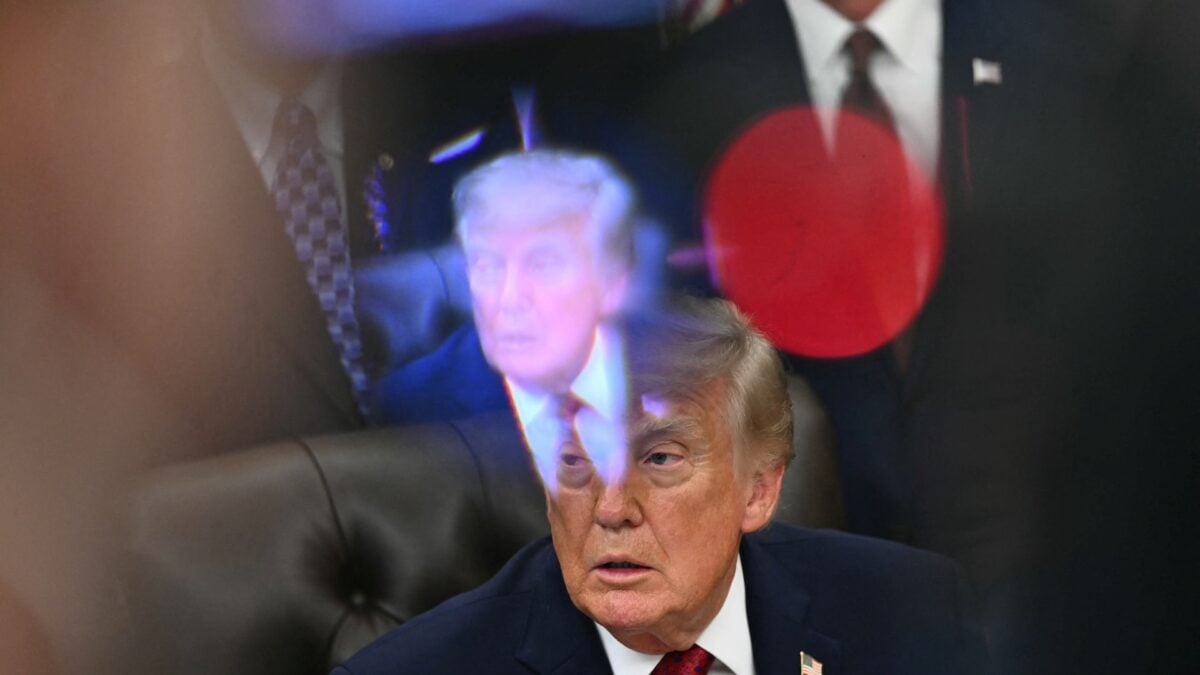
President Donald Trump recently claimed a landmark energy investment deal with South Korea, touting up to $200 billion in U.S. infrastructure projects. However, South Korean President Lee Jae Myung has since emphasized that participation in key initiatives, including the Alaska LNG project, remains contingent on commercial and legal review.
What Happened
Trump announced that South Korea would invest across U.S. energy infrastructure, framing the plan as one of the largest such investments in American history. The proposal includes nuclear power plants, a natural gas facility in Texas, and potentially the Alaska LNG project, which would transport gas from Alaska's North Slope to liquefaction terminals for export. South Korean officials confirmed the investment plan but stressed that project participation, particularly for Alaska LNG, depends on financial viability and domestic legal requirements.
The Alaska LNG project aims to move natural gas roughly 1,300 kilometers from the North Slope to southern Alaska for liquefaction and international export. Industry ministers have previously described the venture as high-risk due to the significant upfront capital required. Additionally, a separate $22.3 billion natural gas power facility in Encinal, Texas, led by Related Companies and NextEra Energy, is slated to begin commercial operations in 2029, with full completion by 2032.
Trump also highlighted a nuclear component, noting an agreement involving eight large-scale reactors, with $120 billion allocated, including $100 billion for construction and $20 billion for contingency reserves. The deal was signed by both governments, Westinghouse Electric, Korea Electric Power Corp, and Korea Hydro & Nuclear Power, and includes potential minority investment in Westinghouse by Korean firms.
Why This Matters
The announcement underscores the growing intersection of U.S. energy policy and international investment, particularly as allied nations seek to expand clean and fossil fuel infrastructure. For U.S. workers, Trump emphasized the deal would create tens of thousands of American jobs through new construction and manufacturing. However, the South Korean government's pushback highlights the gap between political announcements and project-specific approvals, especially for large-scale LNG and nuclear ventures that require rigorous commercial assessment.
Industry analysts note that the Alaska LNG project's future hinges on whether it can generate sufficient cash flow to justify the upfront spend, and that nuclear investments will require plant-by-plant viability reviews. The Texas natural gas facility, by contrast, is further along in development and already has a clear timeline to market.
Key Takeaways
- South Korea's investment framework includes nuclear, natural gas, and LNG components, but final participation depends on commercial and legal clearance.
- The Alaska LNG project remains under review, with officials citing high upfront costs and the need for sustainable cash flow as primary hurdles.
- A $22.3 billion Texas natural gas power plant is on track for phased completion between 2029 and 2032, targeting data center power needs.
- Nuclear cooperation between the two governments includes a potential minority stake in Westinghouse, subject to commercial negotiations.
- Trump's job creation claims hinge on the actual progression of these projects through regulatory and financial approvals.
Conclusion
While the Trump administration framed the South Korea energy deal as a transformative investment, the reality reflects the complex balance between political ambition and project-level feasibility. Stakeholders should monitor South Korea's commercial assessments, particularly for the Alaska LNG and nuclear components, as these will determine whether the proposed billions translate into concrete infrastructure outcomes. The coming months will reveal which elements advance to construction and which remain in the negotiation phase.

Discussion
Join the conversation
Thoughtful reactions, questions, and follow-up ideas help shape the next story.