Introduction
South Korea is grappling with a high-profile academic integrity case after the top scorer on its national tax accountant qualification exam admitted to using artificial intelligence to cheat. The revelation comes just days before the country's critical national college entrance exams, prompting education officials to announce tighter security measures for test-takers.
What Happened
Han Won-seok, who achieved the highest score on the tax accountant qualification exam, publicly confessed in a 14-minute video posted to his lawyer's YouTube channel on November 15. Wearing a face mask, Han explained that he used a small camera to photograph test questions, transmitted the images to an AI tool, and reviewed the generated answers on his smartphone during the exam. The video has since drawn more than 1.5 million views.
Han acknowledged earning perfect marks in three of the four tested subjects, including introductory tax law—a section where the average score was only 30 out of 100. He also admitted to applying the same method on a separate certified public accountant exam. In his statement, Han apologized to fellow candidates, tax professionals, and exam administrators, saying he acted out of anxiety about his future and a desire to make his parents proud. He said he is cooperating with investigators and will surrender his electronic devices.
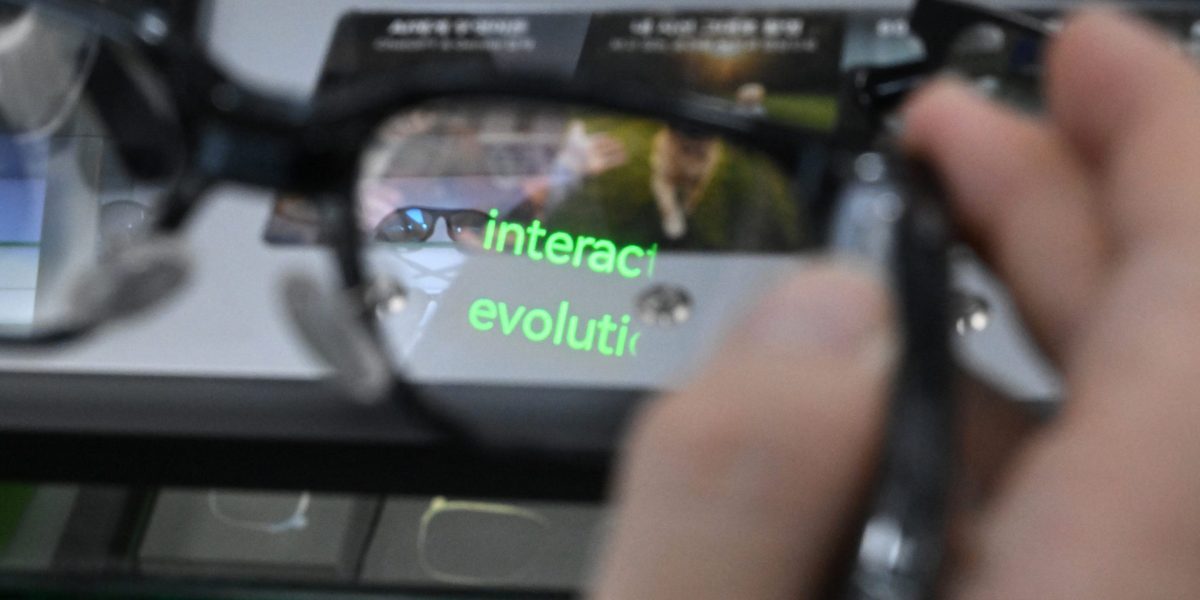
In response, South Korea's Ministry of Economy and Finance plans to suspend Han's professional qualifications. Under existing law, individuals caught cheating on the exam are prohibited from retaking it for five years. Meanwhile, Education Minister Choi Kyo-jin announced that authorities will inspect every pair of glasses worn by students during this week's national college entrance exams. Smart devices were already added to the list of prohibited items in July.
Why This Matters
The case has intensified concerns about how generative AI is reshaping academic dishonesty. South Korea's presidential office said it is monitoring the situation very seriously, particularly because the national college entrance exam is scheduled for November 19. The incident also follows a broader pattern of AI-related cheating across the region.
Last October, at least 40 students at Yonsei University were reported to have used ChatGPT and similar tools during a midterm test, with another 10 under suspicion. In Japan, prosecutors received a case involving an 18-year-old accused of using smart glasses and outside tutors during a university entrance exam. Earlier this year, major Chinese AI providers—including Tencent, Alibaba, Moonshot AI, and ByteDance—temporarily disabled photo recognition and question-answering features during the gaokao, the high-stakes university entrance examination.
Key Takeaways
- South Korea's top tax accountant exam scorer admitted to using AI and a hidden camera to obtain answers during the test.
- The Ministry of Economy and Finance is moving to suspend his qualifications, and Korean law bars cheaters from retaking the exam for five years.
- Education officials will inspect all glasses worn by students during the upcoming national college entrance exams on November 19.
- Han also confessed to cheating on a separate certified public accountant exam using the same method.
- The scandal is part of a wider regional trend, with similar AI cheating cases reported at Yonsei University, in Japan, and during China's gaokao.
Conclusion
As artificial intelligence becomes more accessible, education systems worldwide are being forced to rethink exam security and academic integrity. South Korea's response—ranging from device bans to physical inspections of eyewear—shows how seriously officials are treating the threat. Whether these measures will be enough to deter future incidents remains to be seen, but the case of Han Won-seok has already made one thing clear: the line between legitimate study tools and cheating is under closer scrutiny than ever.
Discussion
Join the conversation
Thoughtful reactions, questions, and follow-up ideas help shape the next story.