Introduction
SpaceX is moving forward with a massive rocket facility in rural Louisiana, a project that promises billions in investment and hundreds of annual launches but also raises questions about environmental impact, local governance, and the speed of the deal.
What Happened
In late August 2026 SpaceX Louisiana Gov Jeff Landry and state officials held an invitation-only ceremony in Abbeville to announce the 125000-acre spaceport. The event featured a cinematic video of Elon Musk arriving by helicopter a techno soundtrack and promises of up to 30 launches per day. Behind closed doors negotiations were shielded by nondisclosure agreements dubbed Project Osprey. The state offered SpaceX sweeping exemptions from property taxes liability claims noise and vibration nuisance laws and public records requirements. In exchange SpaceX agreed to pay Vermilion Parish 25 million annually avoiding billions in property taxes over 25 years. The facility aims to support Starlink expansion and potential in-space data centers with officials projecting 10000 new jobs.
- The announcement included an action-movie-style video depicting Musk arriving by helicopter to techno music.
- State lawmakers helped ease regulations and the deal was covered under nondisclosure agreements.
- Five launch complexes are planned along with housing for employees and their families.
Why This Matters
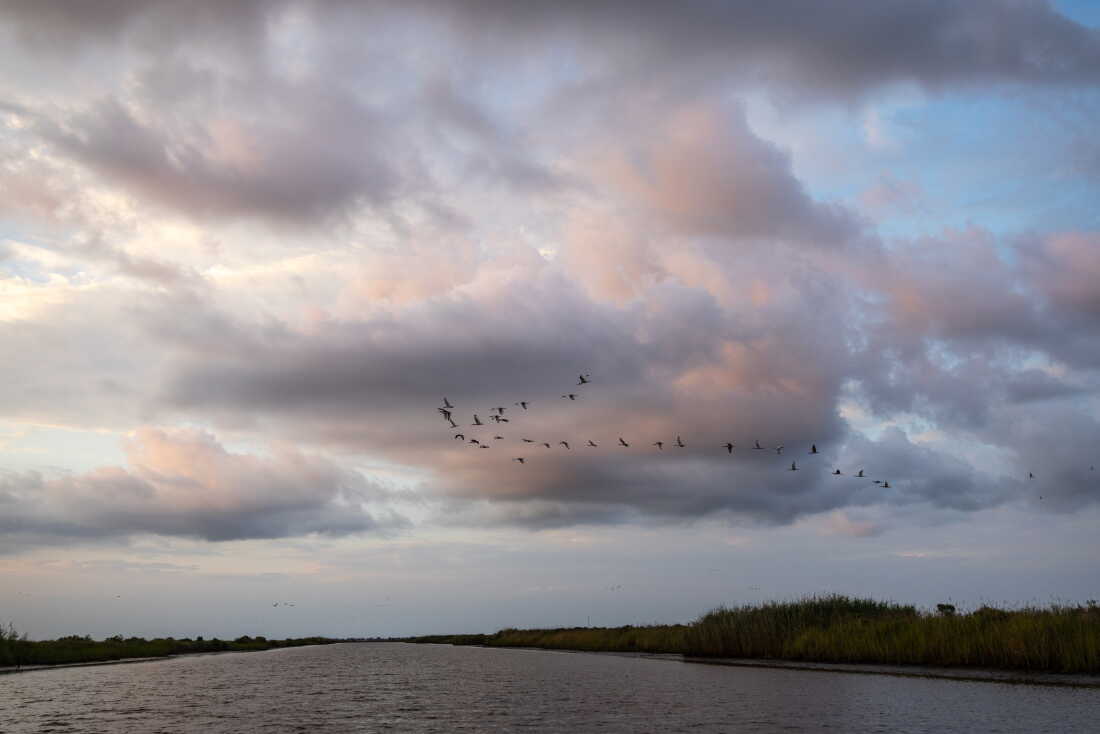
The project represents one of the largest economic development deals in Louisianas recent history but also highlights tensions between rapid aerospace expansion and local concerns. Residents along the Mississippi Flyway worry about migratory birds and coastal wetlands. The use of NDAs and broad exemptions has drawn criticism from transparency advocates and neighbors who say they were excluded from the decision-making process. The facilities scale and environmental footprint could affect everything from local wildlife to community character making it a test case for how states balance high-tech economic development with public accountability.
Key Takeaways
- SpaceXs Louisiana site could launch thousands of rockets annually under a 100 billion investment framework.
- The deal includes significant tax breaks and legal exemptions for the company.
- Residents particularly in Pecan Island and the coastal marshes fear impacts on migratory birds and fragile ecosystems.
- The use of nondisclosure agreements in the negotiation process has raised questions about government transparency.
- State officials frame the project as an economic boon while local voices emphasize the need for environmental protection and community input.
Conclusion
As construction potentially moves forward the Louisiana SpaceX facility will likely remain a focal point for debates over economic development environmental stewardship and the role of secrecy in large-scale infrastructure projects. Observers say only time will tell whether the promises of jobs and technological advancement outweigh the concerns of the communities living closest to the launch pads.



Discussion
Join the conversation
Thoughtful reactions, questions, and follow-up ideas help shape the next story.