Introduction
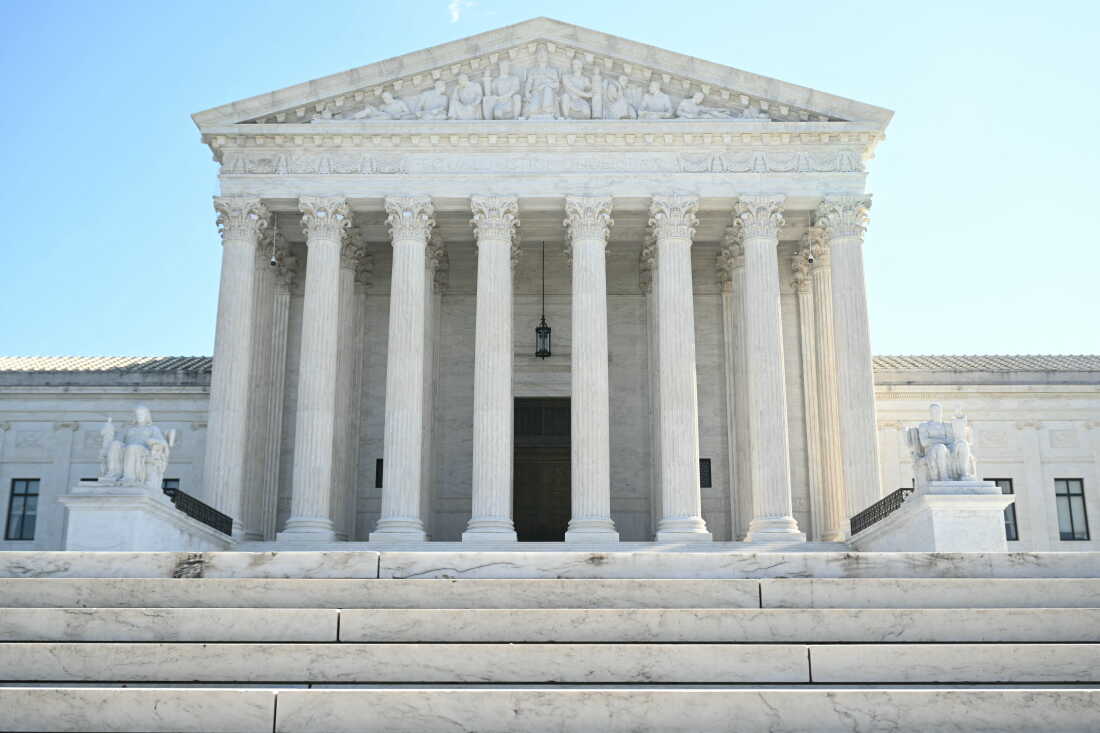
The U.S. Supreme Court has refused to lift an injunction blocking the Trump administration from ending gender-affirming care for transgender inmates in federal prisons. The decision preserves a lower court's ruling while legal challenges continue.
What Happened
In a Wednesday order, the Supreme Court denied an emergency stay that would have allowed the Bureau of Prisons to terminate hormone therapy and other gender-affirming treatments for transgender inmates. The denial keeps in place a federal district judge's injunction, which had already been rejected by the U.S. Court of Appeals for the D.C. Circuit. Justices Clarence Thomas and Samuel Alito indicated they would have granted the stay. The solicitor general had asked the high court to intervene after two lower courts ruled against the administration.
Why This Matters
The ruling affects an estimated 2000 or more transgender individuals currently in federal Bureau of Prisons custody. The ACLU, representing roughly 1000 inmates with a gender dysphoria diagnosis, about 800 of whom receive hormone therapy, warned that ending care poses serious health risks. Medical consensus holds gender-affirming treatment as necessary to treat gender dysphoria and its absence can lead to severe mental health crises. The administration argued the policy protects safety and fairness among inmates but the ACLU called those contentions contrived, noting the BOP has provided such care since at least 1992 without security issues.
Key Takeaways
Key points from the ruling include: the Supreme Court maintained a legal pause on the policy lower courts have consistently blocked the administrations attempt to end care the decision highlights the ongoing tension between federal policy and transgender rights and the case underscores the broader political and medical battles over gender-affirming treatment in custodial settings.
Conclusion
With the injunction intact the legal battle over transgender inmate care continues in lower courts. The Supreme Court's refusal to intervene keeps the status quo for now but the administration's push to alter the policy signals that the fight is far from over. Advocacy groups say the outcome reaffirms the importance of protecting medically necessary care for vulnerable populations behind bars.


Discussion
Join the conversation
Thoughtful reactions, questions, and follow-up ideas help shape the next story.