Introduction
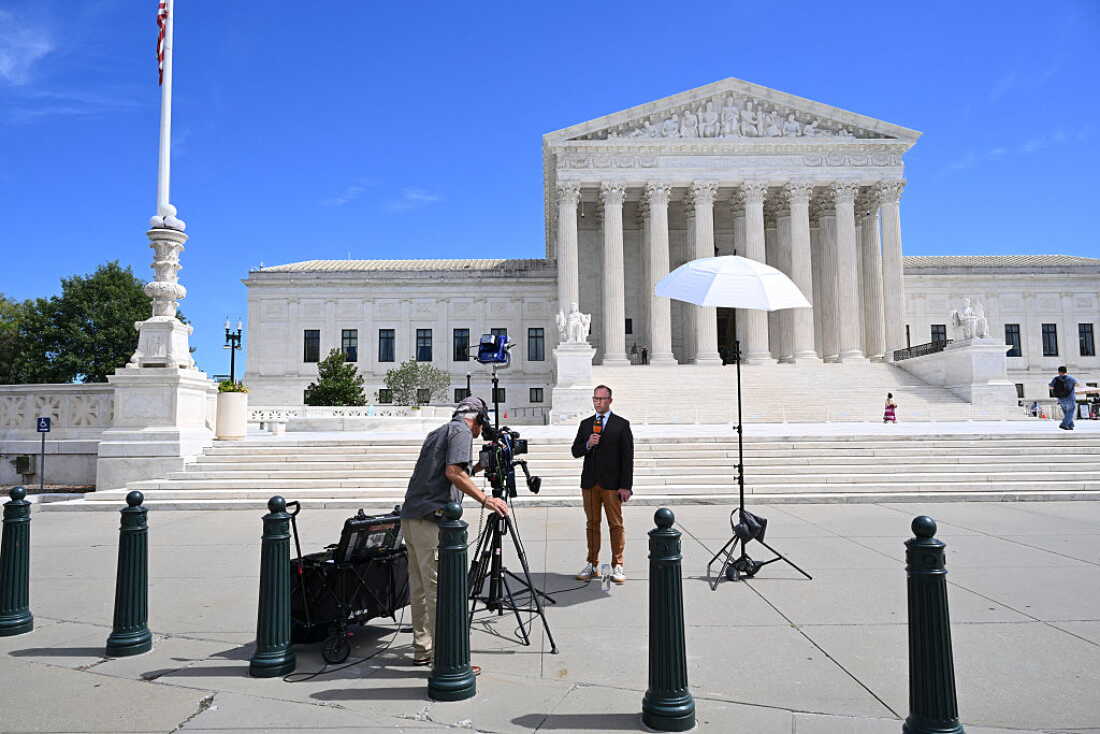
The U.S. Supreme Court convenes a new term this Monday, bringing a docket filled with cases that could reshape constitutional law, education policy, and civil rights. From challenges to gun regulations and religious funding to climate liability and immigration enforcement, the justices face a jam-packed agenda that promises intense legal battles.
What Happened
The high court formally opens its new session on Monday, though the traditional summer recess no longer means a quiet stretch between terms. Emergency appeals have surged, and the justices will hear arguments on whether states can sue energy companies over climate deception, whether religious schools can receive public funding, and whether bans on semi-automatic weapons violate Second Amendment rights.
Immigration takes center stage with cases testing third-country deportations, mandatory detention without bond, and challenges to long-standing precedents on public displays of the Ten Commandments. Another case involves the prediction market Kalshi and whether states can regulate its $40 billion betting platform.
The Trump administration is also seeking to revive policies on immigration enforcement and federal funding battles, while lower courts grapple with a wave of emergency motions that have dramatically increased during this term.
Why This Matters
The outcomes of these cases will affect millions of Americans, from gun owners and students to immigrants and energy consumers. A ruling favoring religious school funding could redirect taxpayer dollars to faith-based institutions, while decisions on gun control could redefine the scope of Second Amendment protections. Climate liability cases may set precedents for how much energy companies pay for alleged deception, and immigration rulings could determine due process rights for thousands of detained individuals.
Legal experts warn that the court's conservative supermajority and the surge in emergency docket activity may shift the balance of power between federal and state governments in ways that echo far beyond this term.
Key Takeaways
- The Court's new term includes high-stakes cases on religion, guns, climate, immigration, and election law.
- Emergency appeals have doubled, with rulings issued quickly and with limited explanation.
- Religious exemption cases could force taxpayer funding of faith-based schools.
- Gun rights cases test the limits of Second Amendment protections.
- Immigration policies on third-country deportations and detention without bond are under scrutiny.
- Decisions will likely influence the political landscape ahead of upcoming elections.
Conclusion
As the Supreme Court dives into a term defined by controversy and constitutional questions, the rulings issued over the coming months will have lasting impact across American society. Stakeholders on all sides are watching closely, and the justices' decisions will likely shape legal and political battles for years to come.



Discussion
Join the conversation
Thoughtful reactions, questions, and follow-up ideas help shape the next story.