Introduction
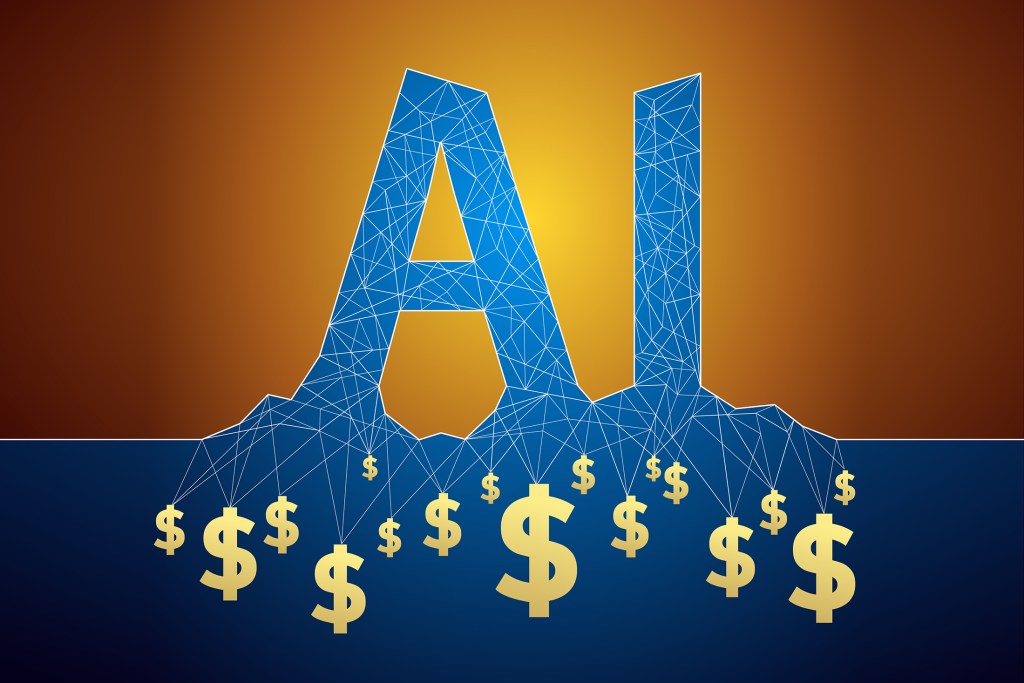
The conversation around AI investment typically fixates on infrastructure expenses--tokens, graphics processors, and model licensing. Yet beneath those surface costs lies a less visible burden: how artificial intelligence reshapes the way people think, question, and make decisions.
What Happened
Research from MIT's Media Lab illuminated what the article describes as the mental engagement gap created by AI assistant reliance. Studies showed participants using only ChatGPT exhibited reduced brain activity compared to those working without AI support, demonstrating that skills atrophy when unused. Additional research from Microsoft and Carnegie Mellon University found that greater confidence in an AI's answer correlated with less critical thinking engaged--while stronger trust in one's own judgment had the opposite effect.
Why This Matters
When employees routinely accept AI-generated drafts without independent verification, organizations risk converging toward statistically likely outputs. This shift suppresses variance, stifles dissent, and pushes out the unconventional ideas that often drive breakthroughs. The cost isn't measured in cloud spend alone; it shows up in homogenized thinking and missed opportunities for genuine innovation.
Key Takeaways
- Over-reliance on AI erodes critical thinking, judgment, and neural engagement--skills that don't simply reactivate on command.
- Organizations face convergence risk when AI outputs replace internal variety, dissent, and creative deviation.
- Data governance and clean infrastructure matter, but the starting point should be how people are guided to think alongside AI, not just how the technology is deployed.
- Leadership must embed human challenge into AI workflows: a devil's advocate, independent re-derivation of answers, and mandatory review before any AI-assisted output reaches stakeholders.
- Tracking tokens or GPU hours as proxies for productivity misses the mark; true output quality depends on human-AI collaboration guided by critical engagement.
Conclusion
AI's real cost is measured in the thinking it displaces, not just the compute it consumes. Companies that acknowledge this shift and build governance around human oversight--rather than bolting AI onto existing habits--will preserve the judgment and variety needed to stay competitive.



Discussion
Join the conversation
Thoughtful reactions, questions, and follow-up ideas help shape the next story.