Introduction
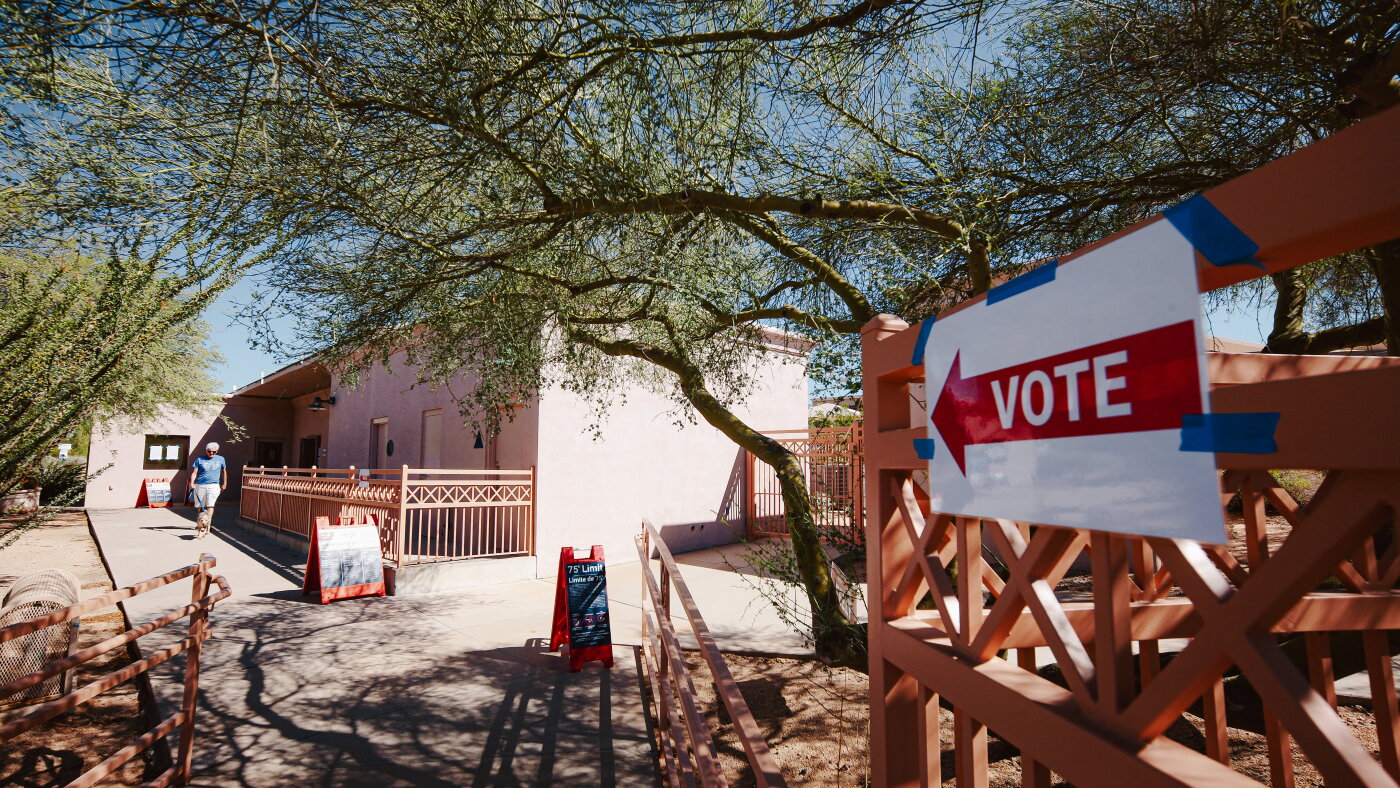
As the 2026 midterms approach, a wave of civil rights organizations, political groups, and government agencies are deploying thousands of poll observers to voting sites across the country. The effort reflects a deeply charged political climate and heightened concerns over voter access and intimidation.
What Happened
Groups like Living United for Change in Arizona (LUCHA) have trained volunteers to serve as constitutional observers, focusing on monitoring the polling environment and documenting any behavior that might intimidate voters. Concerns over Immigration and Customs Enforcement presence at polls have driven much of this preparation, especially in states with large immigrant populations. Meanwhile, the Republican National Committee and the U.S. Department of Justice's Civil Rights Division are also deploying their own observer networks, with DOJ officials stating their role is purely observational and non-interfering.
Training sessions have included scenario planning for potential ICE activity, and organizers say having trained eyes on the ground is meant to deter intimidation and provide a factual record if disputes arise.
Why This Matters
The presence of observers at polling places touches directly on the balance between election transparency and voter confidence. While federal law prohibits armed federal agents at voting sites, political figures and advocacy groups remain divided on what constitutes a legitimate security presence versus voter intimidation. Election administrators note that observer rules vary by state, and the actual voting process is typically routine, but the political stakes of documenting any issues remain high, especially in closely contested Senate races.
Legal experts say the documentation collected by observers could influence post-election litigation, particularly in states where margins are narrow.
Key Takeaways
- Civil rights and advocacy groups are mobilizing thousands of poll observers ahead of the 2026 midterms, driven by fears of voter intimidation and immigration enforcement at voting sites.
- The Department of Justice plans to deploy approximately 1,000 civil rights staff to monitor polling places, marking one of the largest such efforts in history.
- Groups such as LUCHA and the Save America Movement are focusing on states with significant Black, Latino, Asian, and immigrant populations, particularly in swing states like Ohio, North Carolina, Georgia, and Michigan.
- While federal law restricts armed federal agents at polls, concerns persist about the chilling effect of their perceived presence, prompting organizers to document any interactions.
- Election administrators emphasize that the voting process itself is typically routine, but the documentation of any irregularities by observers may play a role in post-election legal challenges.
Conclusion
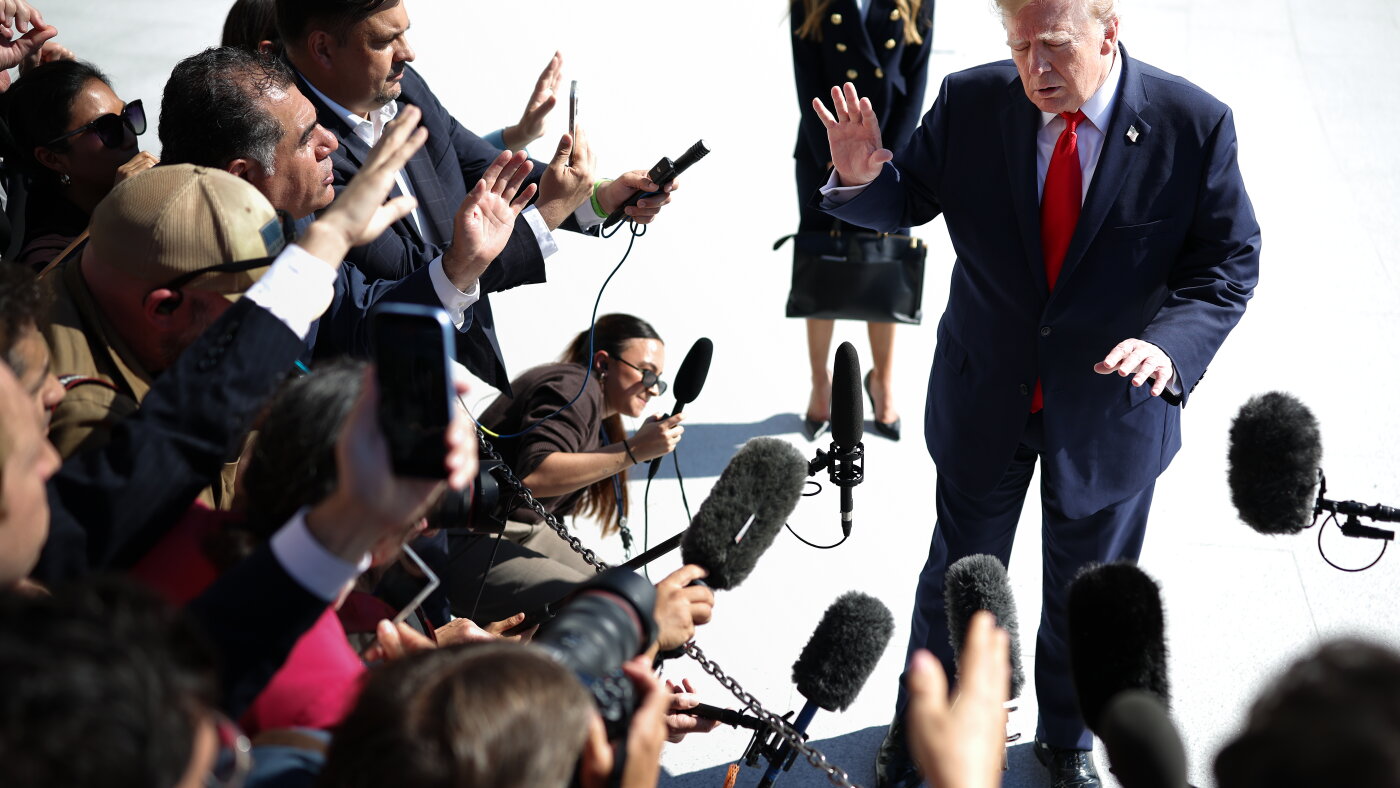
With thousands of observers heading to polling places, the 2026 midterms will unfold under a spotlight of heightened scrutiny and organized monitoring. Whether these efforts bolster voter confidence or become flashpoints for dispute will likely depend on how state and local officials manage the balance between transparency and access. As Election Day approaches, the presence of trained observers will be a defining feature of the election landscape.



Discussion
Join the conversation
Thoughtful reactions, questions, and follow-up ideas help shape the next story.