
Introduction
President Bola Tinubu recently addressed the Chartered Institute of Bankers of Nigeria (CIBN) Annual Banking and Finance Conference, urging the financial sector to transition from mere balance-sheet growth to meaningful economic transformation. The call comes as Nigeria seeks to convert macroeconomic stability into widespread job creation, investment, and improved living standards.
What Happened
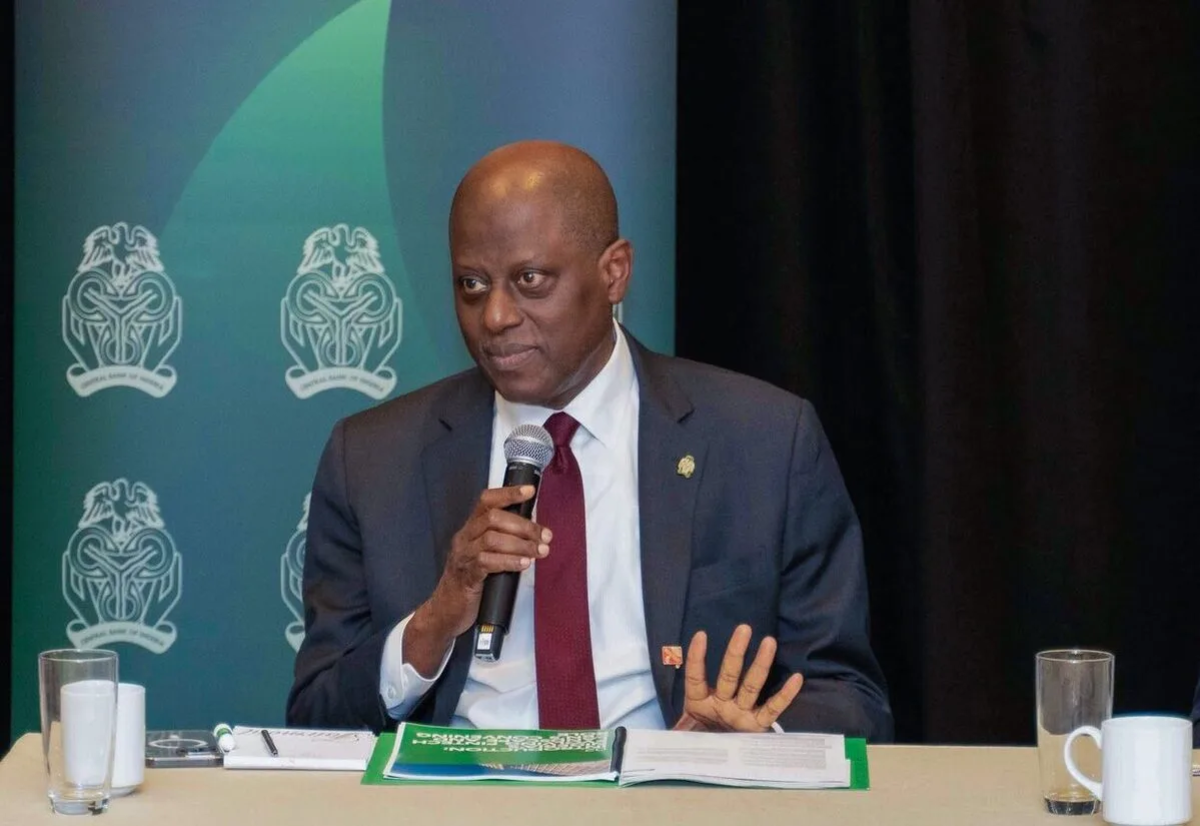
At the 19th edition held in Abuja, Tinubu, represented by Minister of Finance Taiwo Oyedele, challenged banks to redirect capital toward productive enterprises, especially MSMEs, and to support the real economy. He emphasized that a resilient banking system must enable affordable credit, financial inclusion, and long-term investment in infrastructure, housing, and energy. CBN Governor Olayemi Cardoso reinforced the need for a strong banking sector to sustain economic recovery, noting that banks raised about N4.65 trillion through the recent recapitalisation exercise. World Bank Country Director Mathew Verghis urged lenders to move capital from government securities toward job-creating sectors, warning that reliance on sovereign bonds could become unsustainable as interest rates decline. CIBN President Dr. Dele Alabi stressed that the true test of reforms lies in whether improved indicators translate into lower living costs, more jobs, and affordable credit for households and small businesses. The Central Bank also elevated terrorism financing supervision as a priority, while the Economic Management Team moved to harmonise macroeconomic assumptions across government agencies.
Why This Matters
The president's remarks signal a shift in Nigeria's financial policy direction, prioritising productive lending over passive holdings of government debt. With the country reclassified as a FTSE Frontier Market and sovereign credit outlooks improving, the pressure is on banks to deliver tangible benefits to households and businesses. The emphasis on financial inclusion, patient capital, and MSME support reflects a broader goal of ensuring that banking growth translates into job creation and poverty reduction. CBN's heightened focus on terrorism financing controls also underscores the sector's role in national security and financial integrity.
Key Takeaways
- Tinubu urged banks to shift from intermediation to economic transformation.
- Over N4.65 trillion was raised in the recent banking recapitalisation, signalling strong domestic investor confidence.
- World Bank warns banks must redirect capital toward job-creating sectors as reliance on government securities becomes riskier.
- CIBN President Dr. Dele Alabi set the true reform test as lower living costs, more jobs, and affordable credit.
- CBN elevated terrorism financing supervision, reinforcing the financial system's integrity.
- The Economic Management Team established a committee to harmonise macroeconomic assumptions, improving budget credibility.
Conclusion
Tinubu's address at the CIBN conference marks a pivotal moment for Nigeria's banking sector, framing financial stability as a means to an end: a more productive, inclusive, and resilient economy. The coming months will show whether banks heed the call to channel capital into real-sector growth, or remain anchored to passive government securities. With macroeconomic indicators improving and international reclassification boosting investor confidence, the stakes are high for banks to become true engines of national development.

Discussion
Join the conversation
Thoughtful reactions, questions, and follow-up ideas help shape the next story.