Introduction
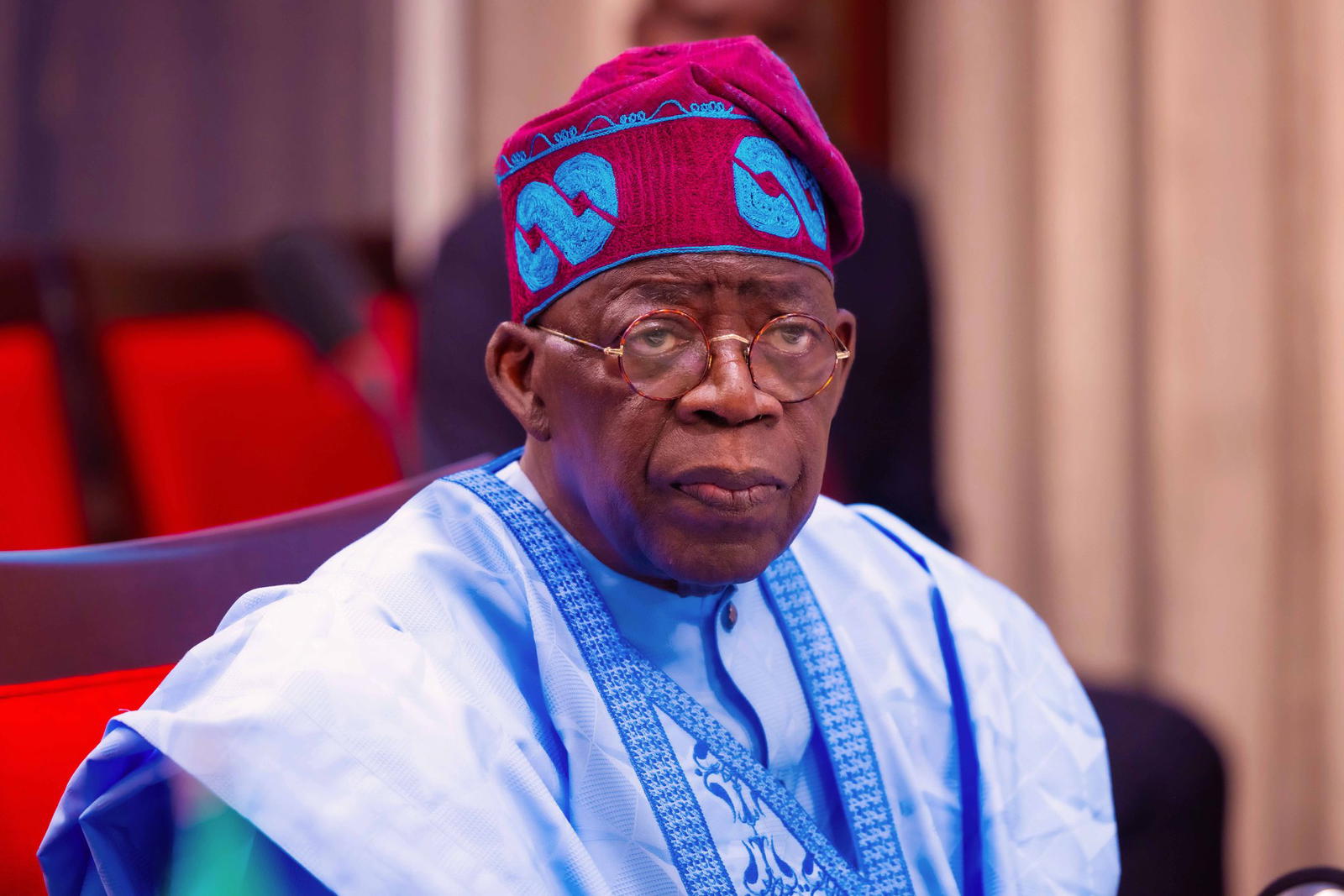
President Bola Tinubu has warned Christian bishops against allowing their pulpits to become venues for political incitement as Nigeria prepares for the 2027 general election. Speaking at a major religious gathering in Abuja, the president stressed that the church must champion national unity and peaceful electoral participation rather than deepen societal divisions.
What Happened
At the 2026 International Synod of Charismatic Archbishops, Bishops and Apostles held at the National Christian Centre, Tinubu—represented by Secretary to the Government of the Federation Senator George Akume—addressed hundreds of religious leaders. The president urged the church to promote peace, resist vote buying, and reject the weaponization of ethnicity or religion in political discourse. He emphasized that while political contests are temporary, Nigeria's stability endures beyond any election cycle.
- Tinubu called for an end to vote buying, hate speech, and the exploitation of religion or ethnicity in politics
- He stressed that issue-based campaigns should take precedence over divisive rhetoric
- The president acknowledged recent economic reforms and assured citizens that government efforts would increasingly benefit households nationwide
Why This Matters
As Nigeria's 2027 election approaches, religious leaders wield significant influence over voter sentiment and national mood. Tinubu's explicit discouragement of pulpit-based incitement signals a desire to prevent election-related violence and ethnic or religious polarization. His call for issue-based campaigns and national cohesion reflects broader concerns about maintaining democratic stability amid heightened political tensions.
The subsequent endorsement of Tinubu by charismatic bishops, along with the minister's appeal for youth radicalization prevention, further underscores the role of faith leaders in shaping Nigeria's electoral climate. Government commitment to protecting religious freedom and ensuring no election turns religious or ethnic groups against each other adds another layer to the evolving political landscape.
Key Takeaways
- Tinubu urged religious leaders to keep the pulpit a sanctuary of conscience, not a platform for incitement
- He called for an end to vote buying, hate speech, and the exploitation of religion or ethnicity in politics
- The administration reaffirmed its commitment to economic reforms that benefit ordinary Nigerians
- Charismatic bishops declared their support for Tinubu's continued presidency through prayers, advocacy, and public engagement
- Government officials emphasized that preserving national unity requires responsibility from all sectors of society, not just the state
Conclusion
As Nigeria's 2027 election cycle intensifies, the stance of religious leaders will likely play a decisive role in maintaining peace and guiding voter behavior. Tinubu's appeal to bishops underscores the high stakes of keeping faith-based spaces above partisan firebrand rhetoric. With both the presidency and the clergy signaling a focus on unity and issue-driven discourse, the coming months may see increased emphasis on responsible political engagement rooted in national interest over ethnic or religious division.

Discussion
Join the conversation
Thoughtful reactions, questions, and follow-up ideas help shape the next story.