Introduction
Even after wildfire flames are extinguished, lingering health risks persist. A recent study shows toxic metal exposure can continue for months after the disaster, particularly in communities like Maui where the built environment was consumed by flames. This finding challenges the notion that air quality returns to normal once smoke clears.
What Happened
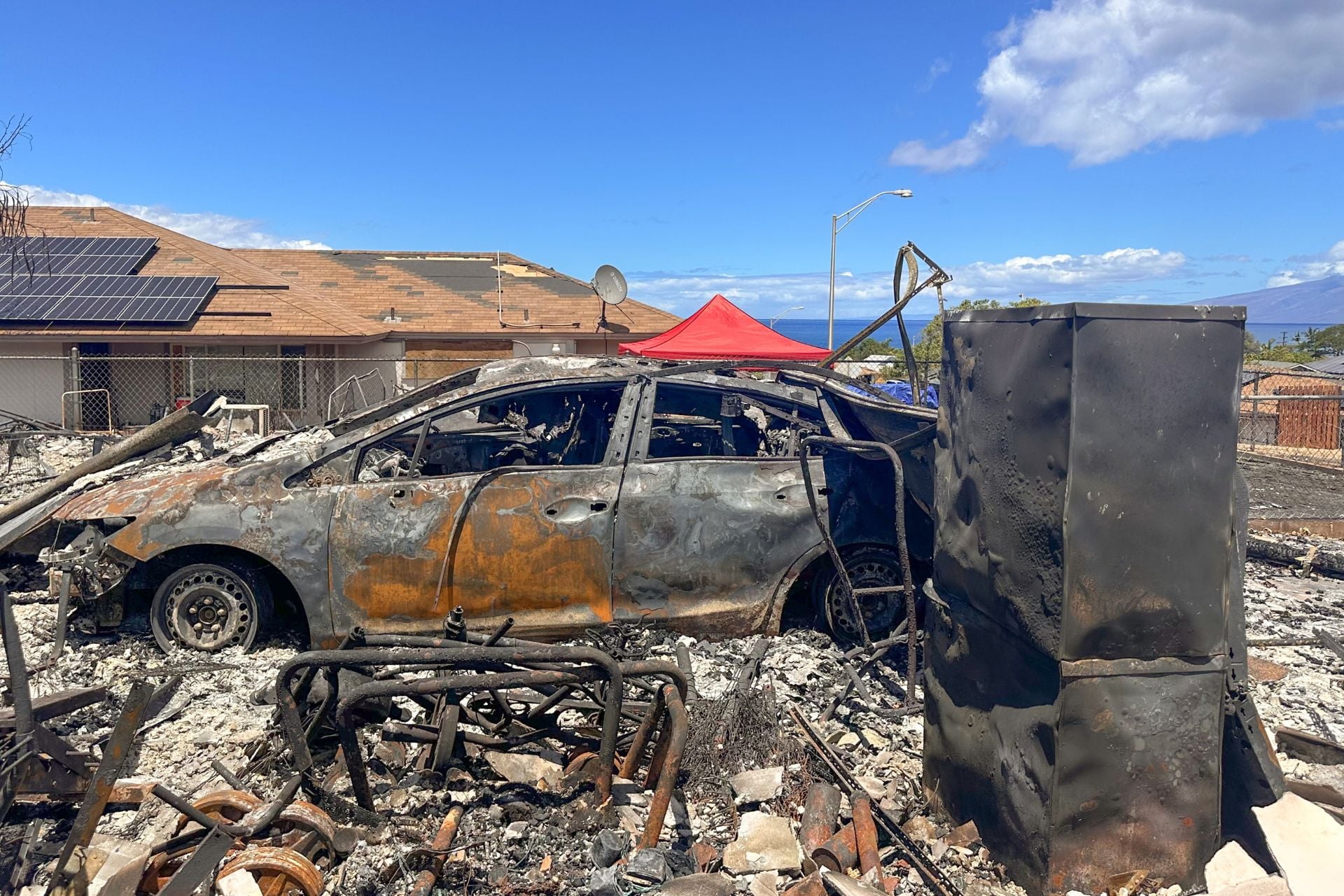
In August 2023, catastrophic wildfires swept through Lahaina and other Maui areas, leveling over 2,200 structures and causing billions in damages. Researchers from the Maui Wildfire Exposure Study collected urine samples from 1,400 adults six to 18 months after the blazes. Laboratory analysis revealed significantly elevated levels of antimony, manganese, barium, and arsenic in participants' systems. The study, published in the Proceedings of the National Academy of Sciences, connects these metal accumulations to measurable changes in lung function.
Why This Matters
When structures and vehicles incinerate, extreme heat vaporizes metals embedded in building materials, electronics, and wiring, releasing microscopic particles into the air as smoke. These airborne metals can persist in the environment and be inhaled or ingested long after the fire is out. The results suggest that short-term air monitoring may miss ongoing exposure risks, especially in communities rebuilding after wildland-urban interface disasters where the fire consumed not just vegetation but homes and infrastructure.
Key Takeaways
- Participants had up to 40 times normal levels of antimony, 3.8 times more manganese, 2.3 times more barium, and 2.2 times more arsenic compared to national biomonitoring baselines.
- Higher combined metal exposure was linked to poorer lung function, with arsenic, cadmium, copper, and antimony showing the strongest associations.
- Researchers believe ash, contaminated soil, settled dust, and resuspended particles are contributing to prolonged exposure during recovery.
- The study notes it could not confirm clinical metal poisoning, but emphasizes that elevated levels were unusual and correlated with worse respiratory health.
Conclusion
The Maui wildfire exposure study underscores that the health impacts of major fires extend well beyond the moment the smoke clears. As climate change drives larger, more intense fires and development pushes into high-risk zones, understanding long-term metal exposure will be critical for protecting residents in communities facing similar threats.



Discussion
Join the conversation
Thoughtful reactions, questions, and follow-up ideas help shape the next story.