Introduction
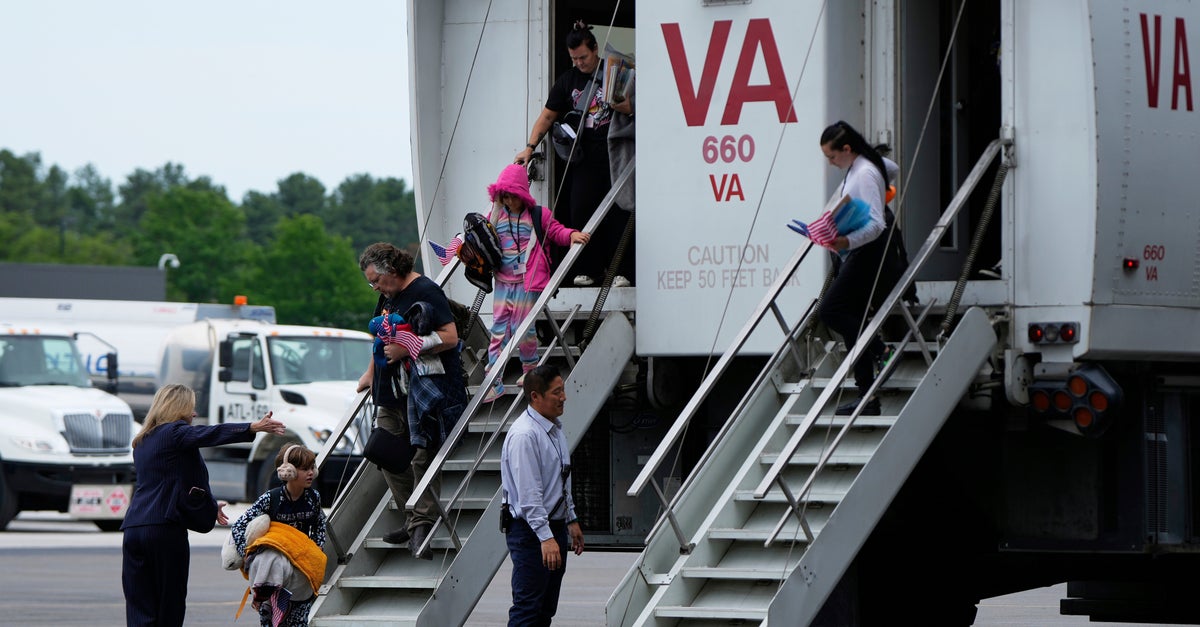
\nThe U.S. government is set to admit 17,500 white South African refugees in 2027, marking a significant shift in refugee admissions policy. The announcement, sent to Congress this week, frames the move as addressing alleged persecution faced by Afrikaner families, though the South African government disputes claims of widespread targeting.
\n\nWhat Happened
\nIn a formal notice to lawmakers, the Trump administration stated its intention to cap annual refugee admissions at 17,500, with the majority of slots reserved for white South Africans, specifically Afrikaners. Officials cited land seizures and other forms of persecution as justification, while South African authorities reject the notion that the community faces systemic danger. The plan represents a dramatic departure from the program’s historical role as a global safety net, redirecting slots traditionally allocated to war-torn regions toward a single demographic group.
\nThe administration also pledged approximately $500 million to support the resettlement effort. The decision has drawn sharp criticism from refugee rights organizations, which argue the policy undermines the program’s original purpose.
\n\nWhy This Matters
\nThe refugee admissions cap has historically been used to respond to global crises, with past averages exceeding 90,000 arrivals per year since the program’s inception in 1980. By narrowing the focus to white South Africans, the current policy shifts away from that tradition and toward a race-specific resettlement model. Critics say the move politicizes humanitarian aid and sets a precedent for future admissions based on racial criteria. Supporters, however, argue the administration is responding to genuine concerns raised by affected communities.
\n\nKey Takeaways
\n- \n
- 17,500 refugee cap heavily weighted toward white South African applicants. \n
- Land seizure justification cited by officials, though the South African government disagrees. \n
- Refugee advocacy groups warn the policy erodes decades of bipartisan support for the program. \n
- Historical admission averages sit near 92,000 annually, making this cap a substantial reduction. \n
- $500 million allocation underscores the logistical scale of the planned resettlement. \n
Conclusion
\nAs the 2027 deadline approaches, the policy will likely face continued legal and political scrutiny. The decision reframes decades of U.S. refugee policy, prioritizing a specific demographic over the program’s traditionally global scope. How this shift affects future admissions, congressional oversight, and international perceptions of American humanitarian commitment remains to be seen.


Discussion
Join the conversation
Thoughtful reactions, questions, and follow-up ideas help shape the next story.