Introduction
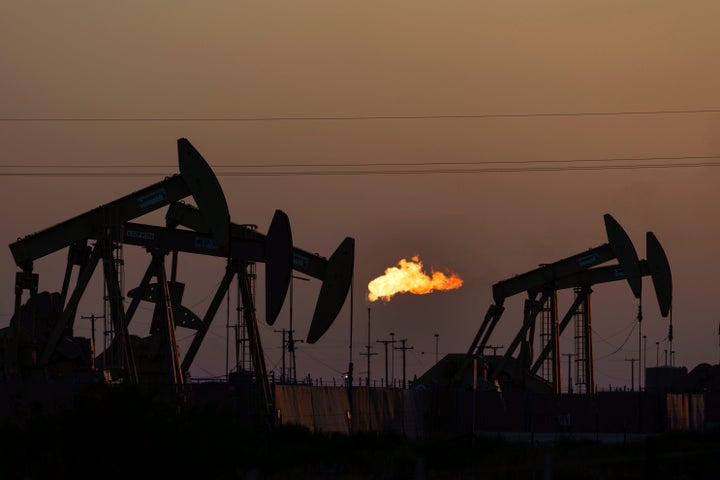
The Trump administration has moved to dismantle a key climate regulation, ending a Biden-era rule that targeted methane emissions from oil and gas operations. The decision signals a major shift in federal energy and environmental policy.
What Happened
President Donald Trump announced the termination of the rule during a Texas rally, arguing it would reduce costs for producers and consumers. The regulation, finalized in 2024, had aimed to cut methane releases from both new and existing oil and gas sites. Under the previous administration, the EPA introduced stricter reporting requirements, a Super Emitter Program to address large leaks, and mandatory repairs for smaller wells that disproportionately contribute to overall emissions. The Trump administration says the rule was overly burdensome and would have cost $18 billion while hindering domestic energy production.
Why This Matters
Methane is responsible for roughly one-third of current planetary warming, and the oil and gas sector remains the largest industrial source of the gas. Environmental advocates warn that rolling back the rule could accelerate emissions at a time when global efforts focus on slowing climate change. The reversal also continues a broader pattern of climate policy reversals under the current administration, following the repeal of fuel economy standards, scientific findings, and coal power plant restrictions. Critics argue the move prioritizes industry savings over public health and climate goals, while supporters say it will unlock production and lower energy costs.
Key Takeaways
- The Trump administration has officially ended the Biden-era methane rule for oil and gas drilling.
- The rule had targeted emissions from both new and existing wells, including small operators responsible for a large share of methane releases.
- EPA will eliminate its Super Emitter Program and adopt less restrictive standards for smaller facilities.
- Environmental groups warn the decision will increase planet-warming emissions and undermine public health protections.
- The move is part of a wider effort to repeal climate-era policies enacted under former President Joe Biden.
Conclusion
By ending the methane rule, the Trump administration is making good on a campaign promise to reduce regulatory burdens on the energy sector. The decision reignites the debate between economic growth and climate action, with implications for domestic production, emission levels, and future environmental policy. Stakeholders on both sides say the impact will be felt across the energy landscape and the broader climate conversation in the coming years.







Discussion
Join the conversation
Thoughtful reactions, questions, and follow-up ideas help shape the next story.