Introduction
The Trump administration has moved to withhold $810 million in federal funds, igniting a fresh constitutional clash with Congress over who holds ultimate authority over government spending.
What Happened
In a move dubbed a pocket rescission, the White House canceled appropriated funds without providing the standard 45-day notice required for congressional review. The decision affects a range of federal programs, including $567 million earmarked for services to refugees, asylees, and non-citizens.
- $15 million redirected from a Justice Department team focused on racial and ethnic tensions
- $70 million cut from programs that bring foreign students and faculty to U.S. campuses
- Tens of millions more allocated to climate change research and grants supporting racial and gender minority communities
Why This Matters
The maneuver bypasses the constitutional process where Congress holds the power of the purse, a principle rooted in Article I of the U.S. Constitution. The Government Accountability Office has ruled the tactic illegal, arguing it denies lawmakers the chance to weigh in or reallocate funds before the fiscal year ends.
Senate and House Democrats have condemned the move, calling it an overreach that undermines legislative authority and sets a dangerous precedent for executive overreach. Key lawmakers, including Sen. Susan Collins and Sen. Patty Murray, have warned that the action could erode checks and balances established by the nation's founders.
Key Takeaways
- The $810 million cancellation represents the second consecutive year of this spending freeze under the Trump administration
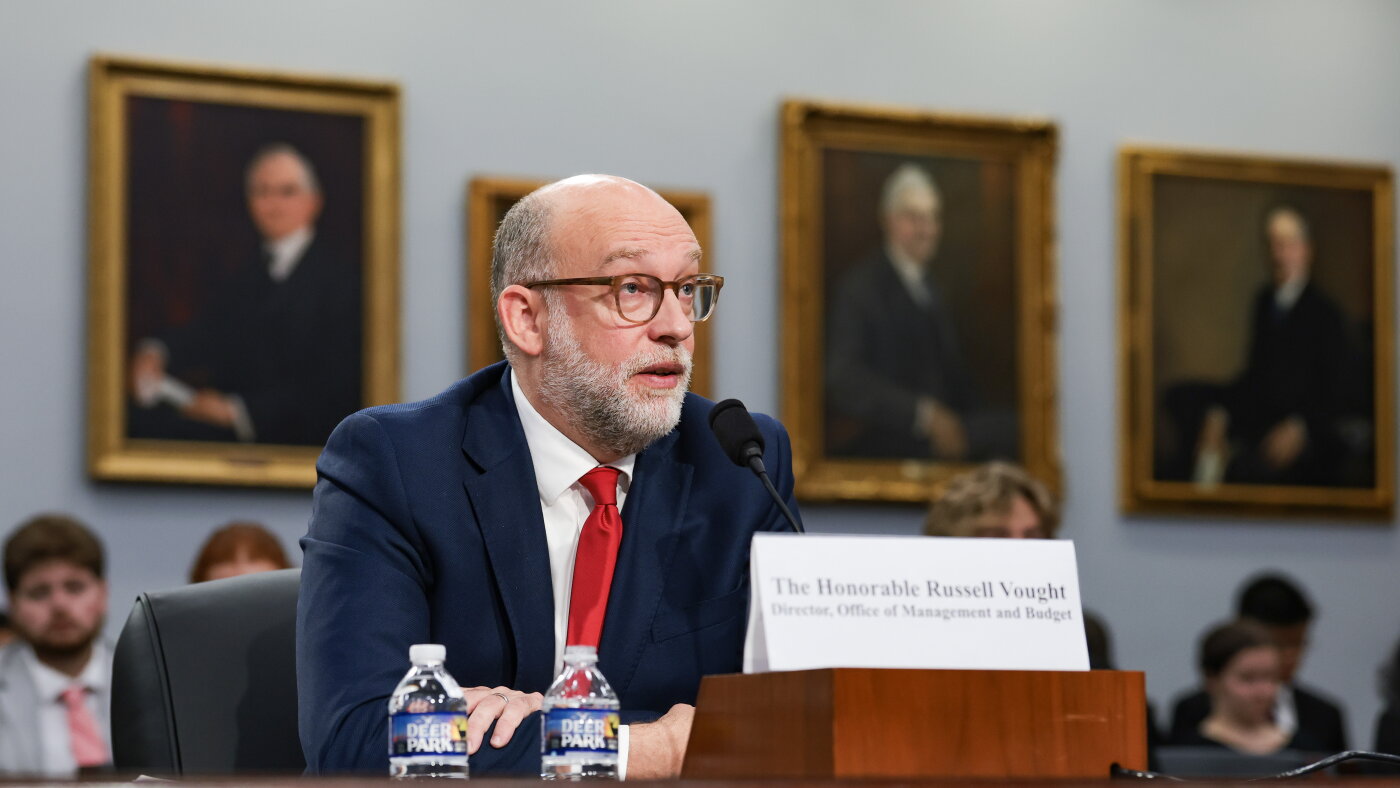
- OMB director Russell Vought is at the center of the controversy, facing accusations of violating separation of powers
- The GAO has determined the pocket rescission method is unlawful, but the administration has not signaled a policy shift
- Specific programs serving refugees, international students, and equity-focused research are among the hardest hit
- Congressional leaders from both parties are preparing legislative or oversight responses
Conclusion
As the fiscal year draws to a close, the standoff between the White House and Capitol Hill over $810 million in canceled funds highlights the ongoing tension between executive action and congressional authority. The outcome could shape future battles over federal spending and the limits of presidential power.

Discussion
Join the conversation
Thoughtful reactions, questions, and follow-up ideas help shape the next story.