
Introduction
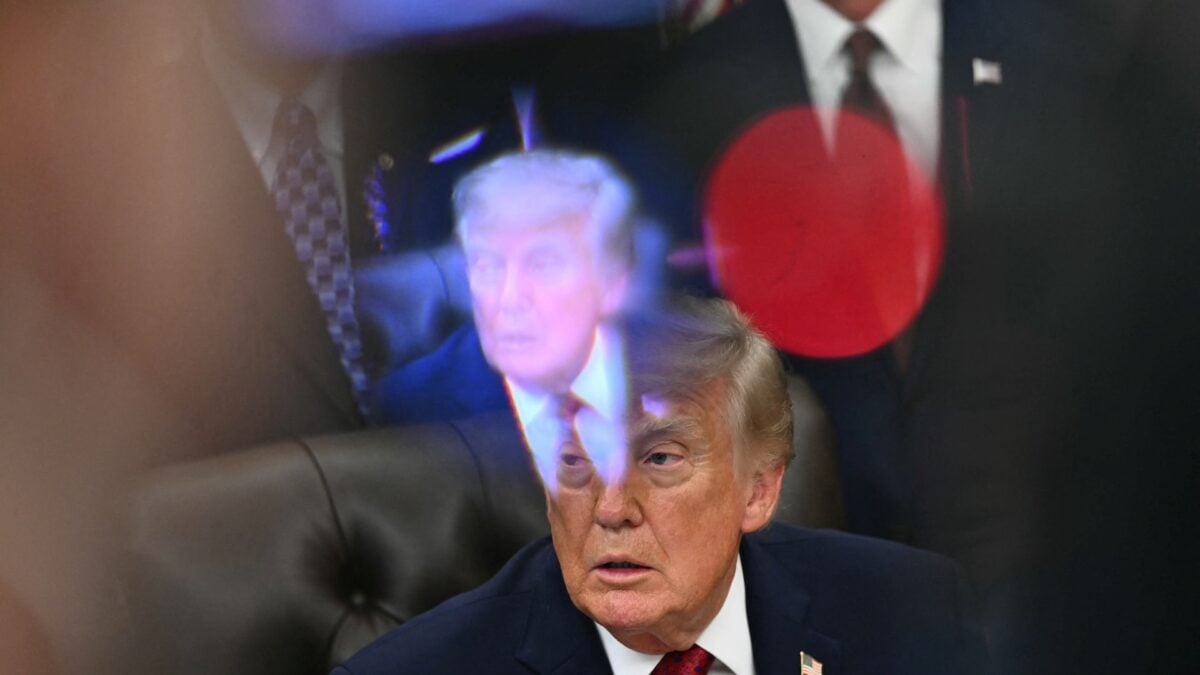
President Donald Trump announced that Russia and Ukraine have agreed to refrain from targeting each other's energy infrastructure, even as global fuel prices continue to climb. The development comes amid widespread concern over rising costs at the pump and ongoing Middle East instability.
What Happened
Trump shared the news on his Truth Social platform, stating that both sides had pledged not to strike energy targets during the ongoing conflict. His post highlighted a potential de-escalation point, though Ukrainian President Volodymyr Zelensky expressed caution, insisting on concrete guarantees before Kyiv would halt attacks on Russian energy sites. The agreement, if upheld, could ease pressure on critical infrastructure, but skepticism remains high.
According to AAA, U.S. diesel prices recently surpassed $6 per gallon for the first time ever, averaging $6.23 nationally, while regular gasoline averaged about $4.32. Analysts note that the Russia-Ukraine war is a contributing factor, but not the sole driver, as Middle East tensions, Red Sea disruptions, and Saudi pipeline shutdowns have also pushed prices higher.
Why This Matters
The proposed energy truce carries significant weight for both geopolitics and everyday consumers. With fuel costs already straining household budgets, any reduction in conflict-related disruptions could offer modest relief at the pump. The agreement also intersects with U.S. political dynamics, as Trump seeks to distance his administration's foreign policy decisions from current price spikes, particularly regarding Iran. Meanwhile, lawmakers face pressure ahead of midterm elections, where energy costs remain a top voter concern.
- Global fuel markets react quickly to conflict-related supply fears.
- Refinery capacity shortages and geopolitical shocks compound price volatility.
- Ukraine's conditions for compliance emphasize the need for verified Russian restraint.
Key Takeaways
Trump claims Russia and Ukraine have mutually agreed to avoid energy targets, but Zelensky demands proof of Russian compliance. Fuel prices remain near record highs, with diesel exceeding $6 per gallon nationally. Multiple geopolitical fronts including Middle East tensions and Red Sea disruptions are driving costs upward alongside the Russia-Ukraine conflict. The outcome of this agreement, if it holds, could influence both war dynamics and consumer wallet relief in the coming weeks.
Conclusion
As the situation develops, the durability of the Russia-Ukraine energy truce will depend on verified actions from both sides and the broader stability of global oil supplies. For now, drivers should expect continued price volatility until clearer commitments are confirmed. Watch for official statements from Kyiv, Moscow, and the White House as the next indicators of whether this pause in energy targeting translates into lasting relief at the pump.


Discussion
Join the conversation
Thoughtful reactions, questions, and follow-up ideas help shape the next story.