
Introduction
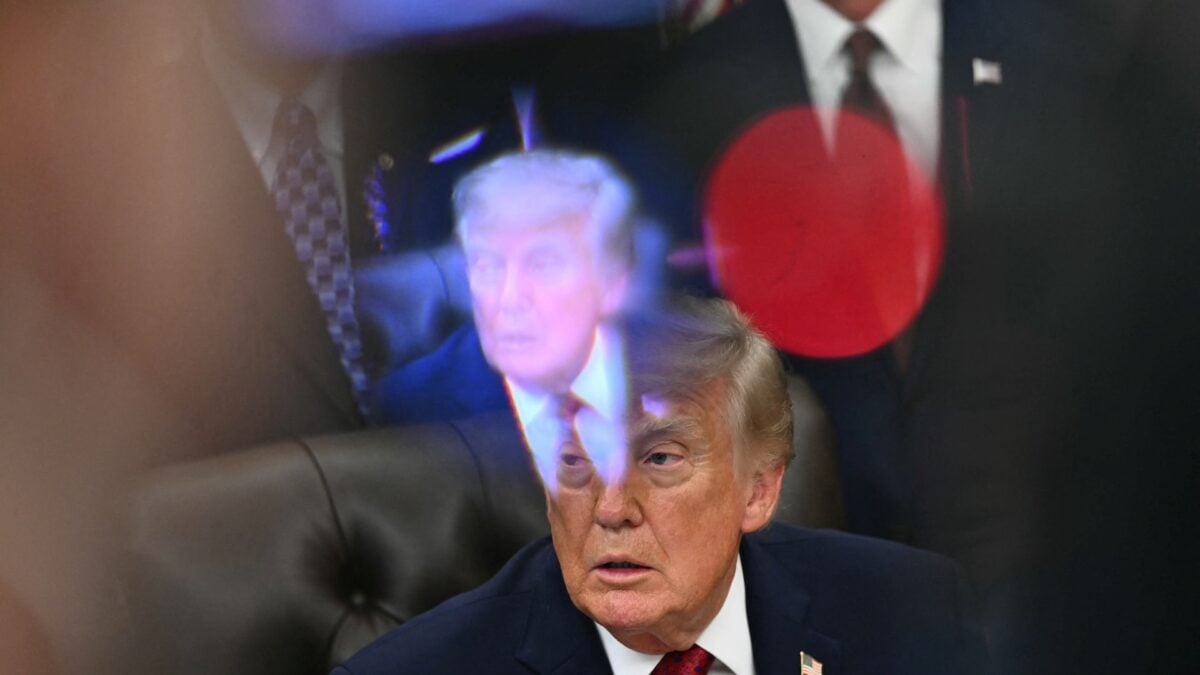
President Donald Trump convened a gathering at the White House bringing together chief executives from the world’s most powerful AI companies. The meeting signaled a decisive shift away from federal oversight toward industry-driven self-regulation, as the administration opted against new mandates in favor of CEO-led commitments.
What Happened
After a private dinner, Trump addressed reporters, framing concerns about AI safety as obsolete now that he has rebranded the technology. He argued that U.S. dominance over China makes stringent government rules unnecessary, instead placing trust in the sector’s own leadership. Six chief executives-Pichai, Amodei, Zuckerberg, Brockman, Musk, and Huang-signed a voluntary safety pledge aimed at self-regulating their systems with common-sense guidelines. Each leader delivered brief remarks, emphasizing medical breakthroughs, job creation, and the transformative potential of the technology while acknowledging lingering risks.
Why This Matters
The pivot toward industry-led AI governance represents a significant departure from demands for binding federal rules. By entrusting responsibility to the companies themselves, the administration aims to preserve innovation while maintaining a surface-level accountability. Critics warn that without enforcement mechanisms, critical safety gaps may persist as systems grow more capable. The session also revealed personal dynamics, from Trump’s lighthearted jabs at executives to the CEOs’ unified front on advancing AI responsibly.
Key Takeaways
- Trump replaced federal oversight with a CEO-driven safety framework, relying on voluntary compliance.
- A voluntary safety pledge carries no stated penalties for violations.
- All six CEOs portrayed AI as a net positive, citing benefits in healthcare, economics, and education.
- Job displacement was acknowledged but framed as an inevitable evolution of the workforce.
- The meeting’s informal tone, including Trump’s playful remarks, underscored the unconventional approach to policy.
Conclusion
The White House’s move to delegate AI safety to the industry’s most powerful players marks a new chapter in technology governance. Whether this self-regulatory model builds sufficient trust and safety remains to be seen, especially as AI capabilities outpace existing regulatory frameworks. Readers should monitor how the signed commitments translate into real-world safeguards, and whether future administrations will demand more concrete accountability.

Discussion
Join the conversation
Thoughtful reactions, questions, and follow-up ideas help shape the next story.