Introduction
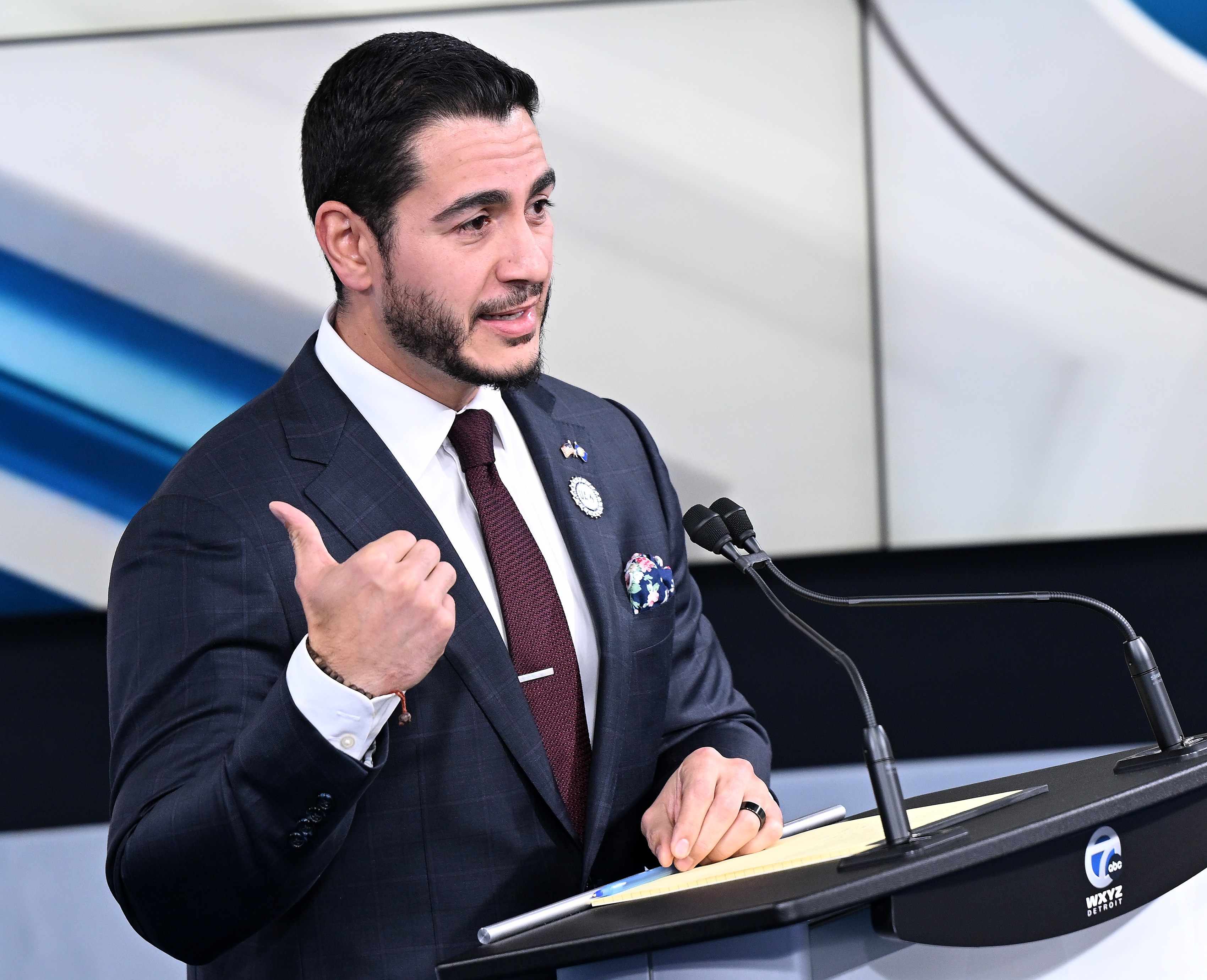
As the 2026 midterms approach, former President Donald Trump has intensified his verbal assaults on Michigan Senate candidate Abdul El-Sayed, weaving anti-Muslim rhetoric into a tightly contested race that could decide chamber control.
What Happened
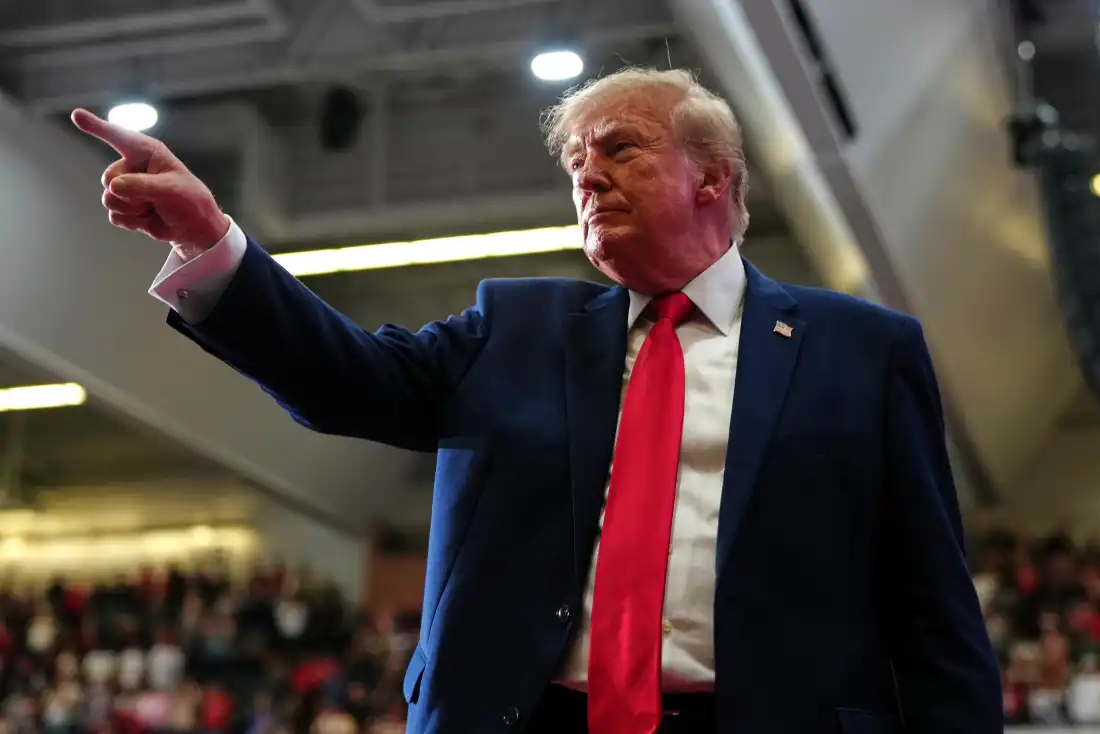
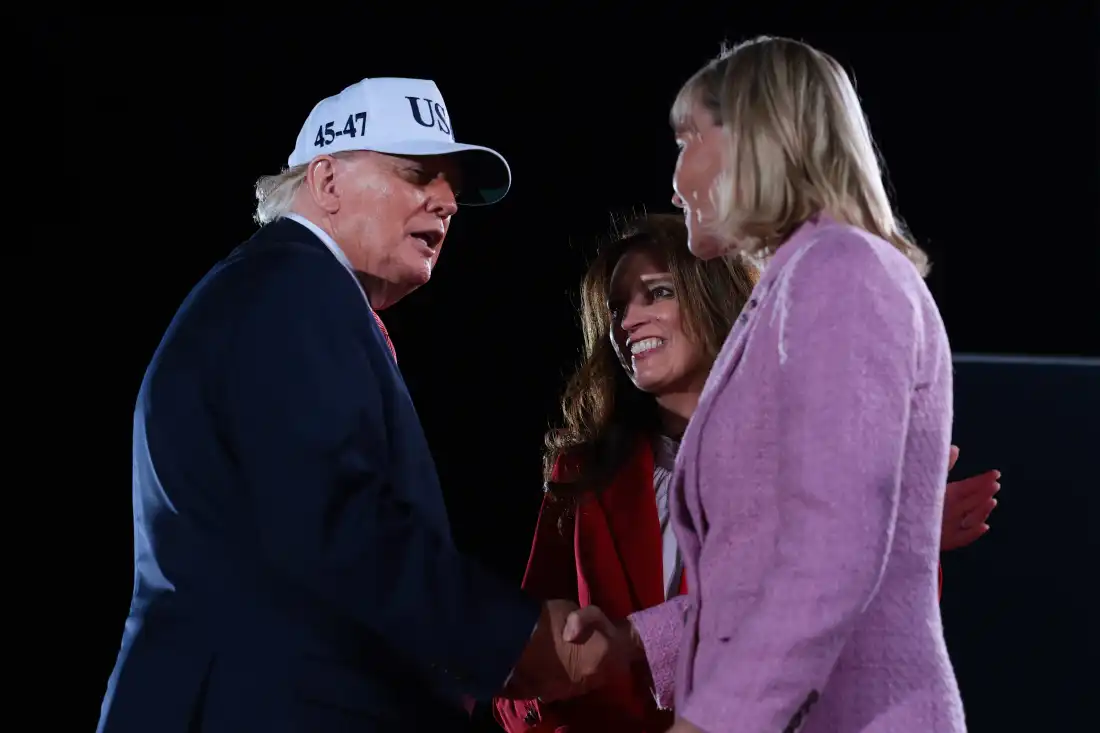
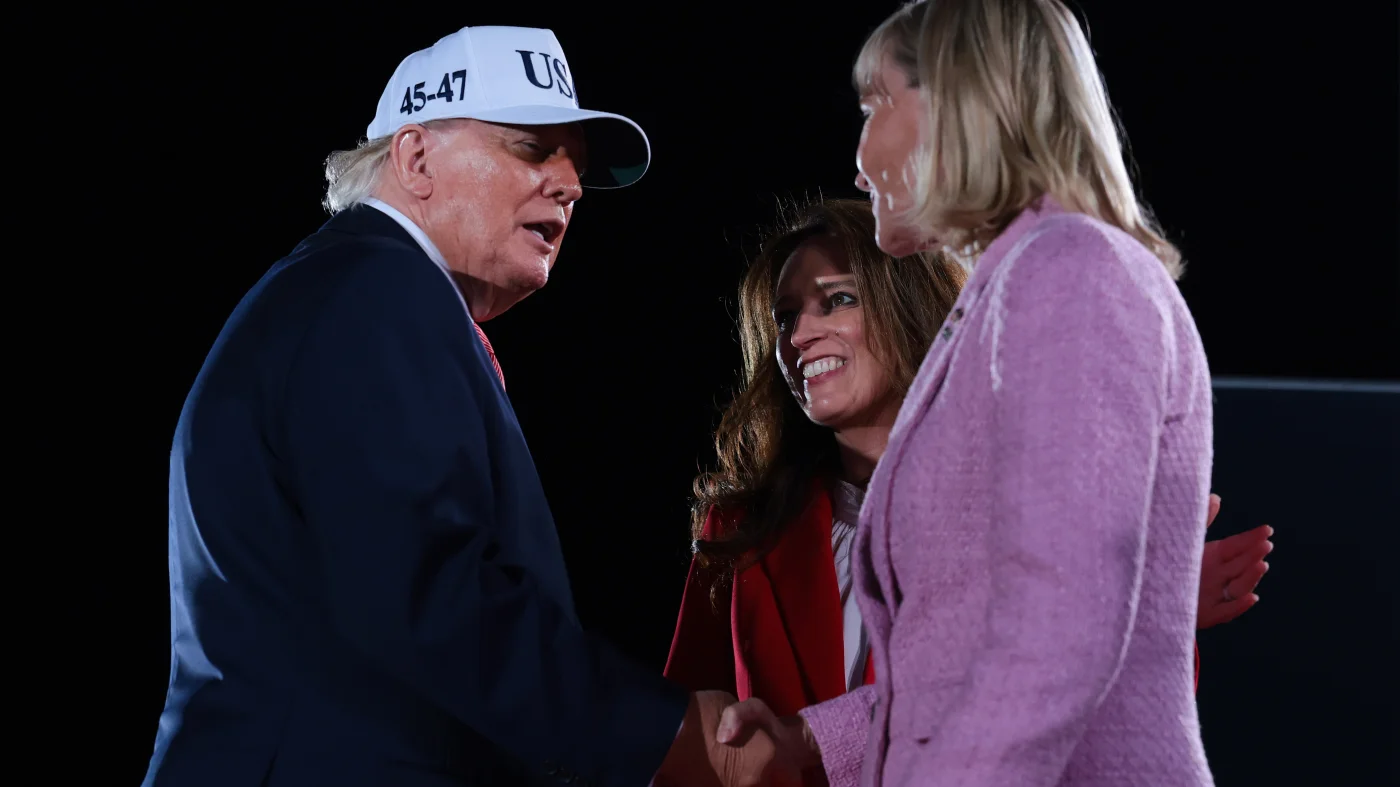
At a Sunday rally in Port Huron, Trump labeled El-Sayed a 'jihadist' and suggested he would need a metal detector to enter the Senate, echoing September 11 themes. The remarks built on a broader strategy linking El-Sayed to the Muslim Brotherhood, a designation the U.S. government has applied to the group's extremist offshoots. El-Sayed, who would become the nation's first Muslim senator if elected, pushed back, calling the attacks shameful and reaffirming his loyalty to the country. The rally also featured rapper Nicki Minaj, who joined Trump on stage as he continued to mock opponents and tout the Republican ticket.
Why This Matters
The exchange highlights how faith and identity have become central battlegrounds in Michigan's most competitive Senate contest. With El-Sayed poised to make history as the first Muslim U.S. senator from a major state, the campaign's tone reflects broader tensions around immigration, national security, and Arab American voter sentiment. Trump's remarks have drawn rebukes from Arab American leaders and even some Republican allies, while also energizing his base in communities like Dearborn, where his 2024 victory reshaped the electoral map.
Key Takeaways
- Trump repeatedly calls El-Sayed a 'jihadist' and ties him to the Muslim Brotherhood in final‑stage campaign messaging.
- El-Sayed would become the first Muslim senator elected from a major state if he wins the Michigan seat.
- Arab American voters, particularly in Dearborn, shifted toward Trump in 2024 over frustration with the Biden administration's Gaza policy.
- Republican strategists are leveraging Islamophobic rhetoric as a central attack line against El-Sayed.
- El-Sayed has apologized for past comments and denies any affiliation with extremist groups.
- The race could influence overall Senate control and down‑ballot outcomes in a closely divided chamber.
Conclusion
With Election Day approaching, the Michigan Senate race between El-Sayed and Republican Mike Rogers stands as one of the most closely watched contests of the cycle. Whether Trump's anti-Muslim rhetoric translates into votes remains to be seen, but the intensity of the campaign underscores how identity, faith, and national security are shaping the final stretch of the 2026 midterms.





Discussion
Join the conversation
Thoughtful reactions, questions, and follow-up ideas help shape the next story.