
Introduction
The Nigerian political landscape remains in a state of flux as fresh developments dominate headlines, from high-stakes international diplomacy to heated domestic debates. This week's trending stories span a fiery UN address, constitutional controversies, and emerging campaign narratives shaping the nation's trajectory.
What Happened
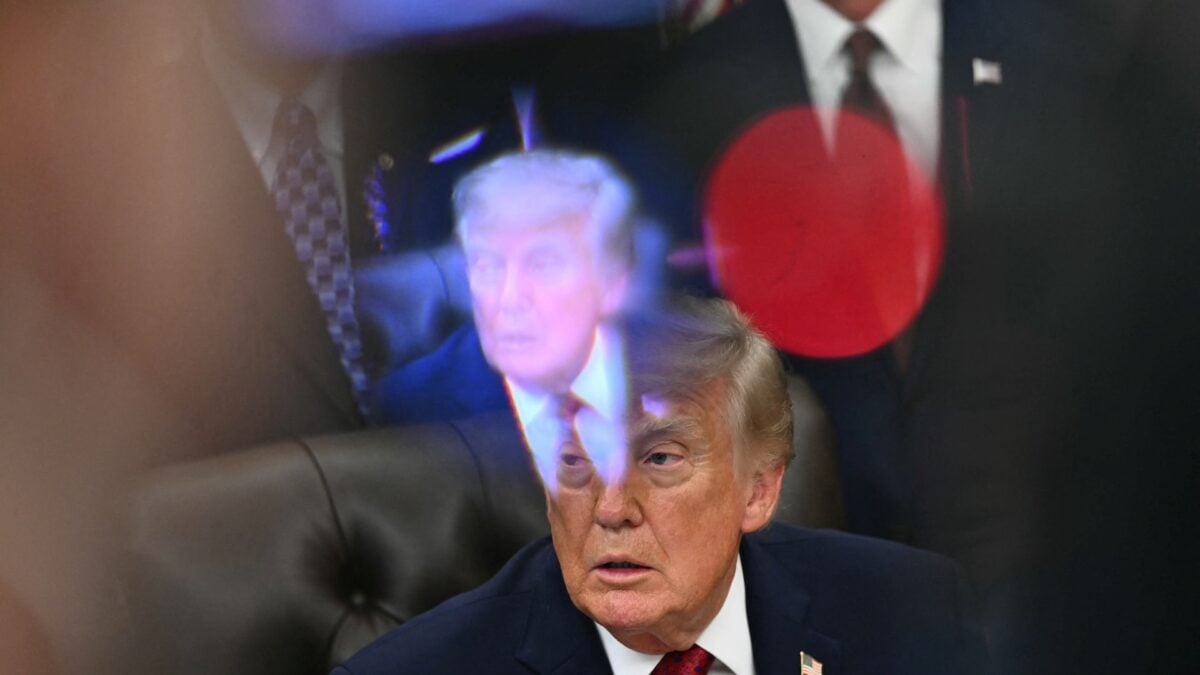
President Donald Trump delivered a stark warning to Iran during a UN General Assembly address, threatening severe consequences and prompting diplomatic walkouts. Vice President Kashim Shettima led Nigeria's delegation to the 81st UNGA, representing President Tinubu alongside key state officials. Back home, Senate President Godswill Akpabio sparked controversy by declaring there is no vacancy in Aso Rock, asserting he is the only one who can declare such a transition. Fuel subsidy politics took center stage as former Kano State Governor Rabiu Kwankwaso vowed to reintroduce fuel price controls in a new format if elected, a position that appears to conflict with his running mate Peter Obi's opposition to subsidy restoration. Oyo State Governor Seyi Makinde rebutted claims that President Tinubu funded the Ibadan Airport upgrade, insisting the project is entirely state-driven, and filed a legal challenge against Abia State Governor Alex Otti over a N200 million fee for campaign materials.
Why This Matters
These developments carry significant weight beyond the headlines. Trump's Iran rhetoric signals continued volatility in Middle East relations, with implications for global oil markets and Nigerian energy security. The Aso Rock no vacancy statement clarifies succession dynamics ahead of potential 2027 transitions. The Kwankwaso-Obi subsidy contradiction highlights deep divisions within the ruling coalition over economic policy, potentially affecting millions of Nigerian households. State-funding disputes and legal battles over campaign finances underscore the contentious nature of Nigeria's evolving political terrain.
Key Takeaways
- Trump's UN threat underscores escalating tensions that could ripple through global energy prices.
- Aso Rock vacancy stance settles immediate speculation about presidential succession procedures.
- The Kwankwaso-Obi subsidy contradiction reveals fault lines within the opposition and ruling alliance economic visions.
- Makinde's rebuttal and legal action highlight ongoing subnational friction over infrastructure funding and campaign finance.
- UNGA participation signals Nigeria's continued engagement in global diplomatic forums despite domestic challenges.
Conclusion
As Nigeria navigates a complex mix of international diplomacy and internal political wrangling, these stories illustrate the high stakes of current leadership decisions. Readers should watch how these developments influence policy, election strategies, and the broader socio-economic landscape in the coming months.
Discussion
Join the conversation
Thoughtful reactions, questions, and follow-up ideas help shape the next story.