
Introduction
President Donald Trump used the 25th anniversary of the September 11 attacks to reaffirm the nation’s commitment to the ongoing "war on terror," framing the original fight against al-Qaeda as directly connected to the current U.S. stance against Iran.
What Happened
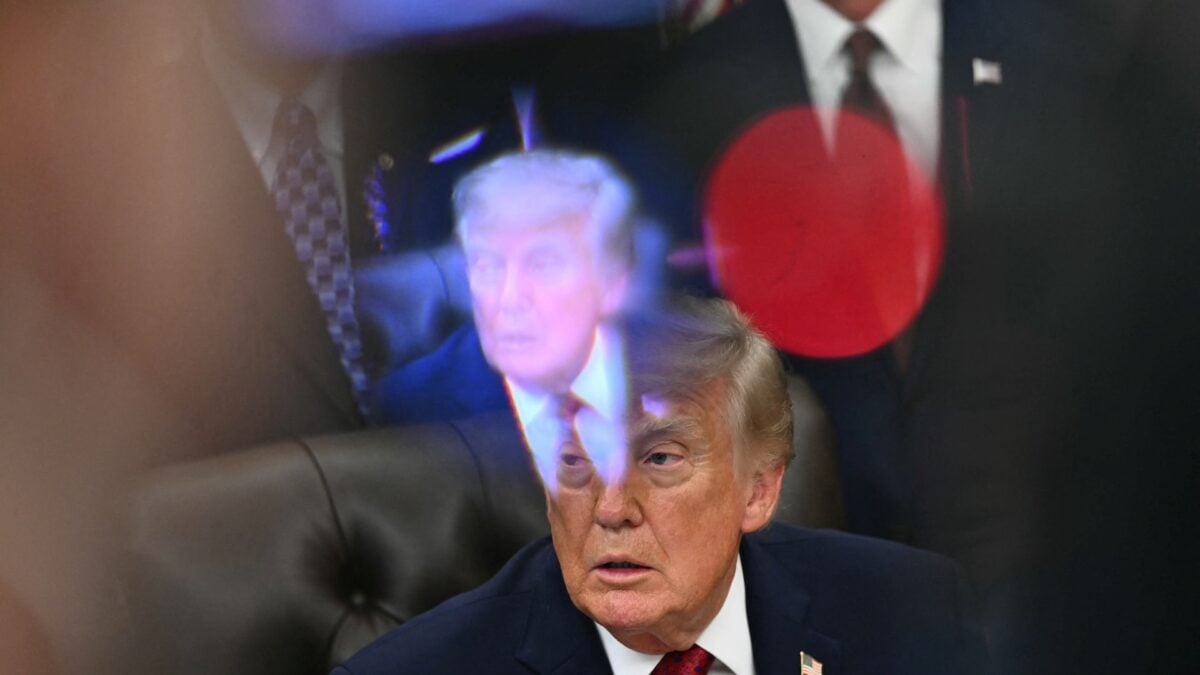
Speaking at the Pentagon on Friday, Trump delivered a solemn address marking the quarter-century milestone, standing alongside First Lady Melania Trump. The ceremony included a single bell toll for the 184 victims killed when a hijacked plane struck the Pentagon on 9/11. Trump also referenced the broader conflict, suggesting the U.S. must continue confronting Iran to prevent nuclear advancement and regional instability.
Why This Matters
By connecting the 2001 attacks to the present-day Iran conflict, Trump shifted the narrative from pure remembrance to active geopolitical strategy. His remarks come amid a stalled Iran-U.S. military standoff, ongoing tensions in the Strait of Hormuz, and domestic political battles where the administration frames opposing parties as sympathetic to extremist ideologies.
Key Takeaways
- Trump positioned the 9/11 anniversary as a continuation of the war on terror, specifically targeting Iran as a primary state sponsor of terrorism.
- The Pentagon ceremony highlighted both the original attack’s human cost and the administration’s current foreign policy priorities.
- Domestic rhetoric focused on contrasting the administration’s foreign policy record against Democratic opponents, with Trump labeling them as "fanatics" aligned with extremist views.
- Iran’s grip on the Strait of Hormuz and its impact on global oil prices remain a central concern alongside the nuclear standoff.
- The speech underscores how 9/11 anniversaries are being used as political platforms to shape foreign policy narratives.
Conclusion
As the U.S. marks a quarter-century since the deadliest terrorist attack on its soil, Trump’s remarks illustrate how the events of 9/11 continue to influence domestic politics and international strategy. The intersection of memory, military action, and partisan rhetoric ensures that the legacy of that day remains a powerful, contested force in American public life.
Discussion
Join the conversation
Thoughtful reactions, questions, and follow-up ideas help shape the next story.