Introduction
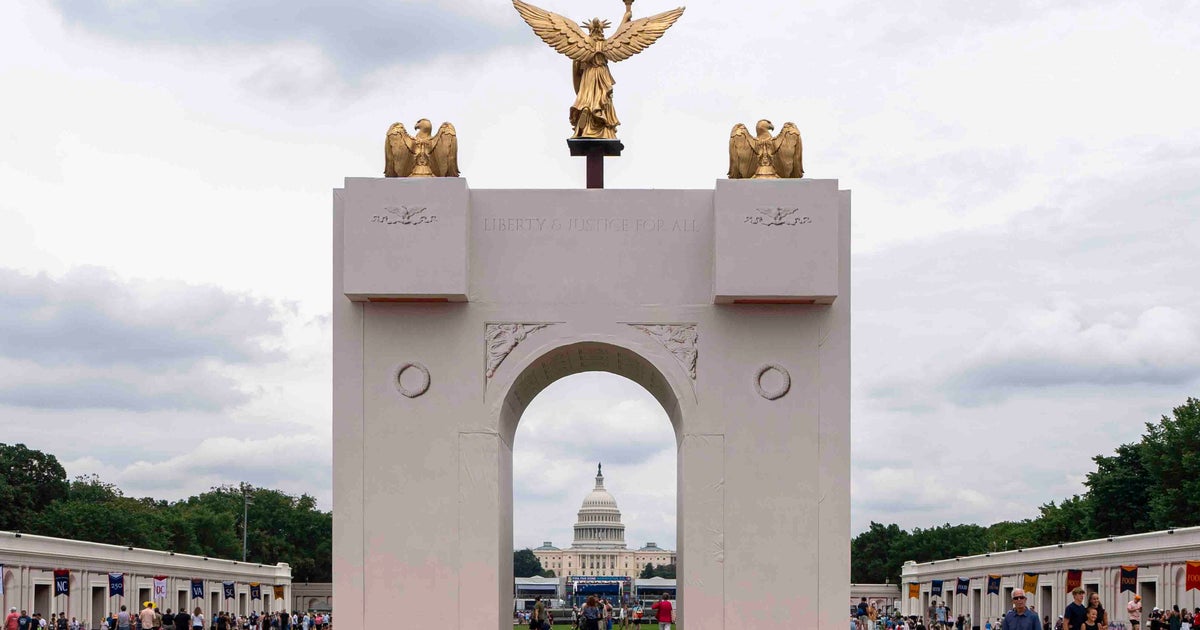
President Donald Trump is pushing to convert a planned monument into a fortified structure, proposing that a new arch between the Lincoln Memorial and Arlington National Cemetery serve as a military complex capable of housing drones, snipers, and stored ammunition.
What Happened
Trump announced the redesign in a social media post, stating the 250-foot-tall structure would be transformed at the strong request of the military to host aerial and ground defense assets. The proposal comes as part of a broader wave of capital projects the president is pursuing to leave a lasting imprint on Washington, including renovations at the White House, the Kennedy Center, and East Potomac Park. However, the arch plan faces legal opposition. A group of veterans and an architectural historian have sued, arguing the project requires explicit Congressional authorization and cannot proceed without it. The U.S. Commission of Fine Arts has given early approval, but opponents say that isn't sufficient.
- The arch would be situated near Memorial Bridge, a major corridor between Washington DC and northern Virginia.
- The Pentagon has stated it has no additional information beyond the president's declaration.
- Initial groundbreaking was scheduled for later this month, but final sign-off from the National Capital Area Planning Commission is still pending.
Why This Matters
If realized, the arch would represent one of the most heavily fortified memorial structures in modern history, blending national symbolism with military infrastructure. Critics argue it sets a precedent for militarizing public spaces and bypassing legislative oversight. Supporters, including the president, frame it as a necessary security enhancement for the nation's capital.
Key Takeaways
- The proposed arch would double as a military complex for drones, snipers, and ammunition storage.
- Legal challenges question whether the project can move forward without Congressional approval.
- The plan is part of a larger set of Trump-era initiatives reshaping Washington's landscape.
- Commission approval is still required, with the next meeting expected this fall.
Conclusion
the fate of the proposed arch hinges on pending legal rulings and commission decisions this fall. Regardless of outcome, the controversy highlights the intersection of monument design, national security policy, and executive authority in Washington DC.



Discussion
Join the conversation
Thoughtful reactions, questions, and follow-up ideas help shape the next story.