
Introduction
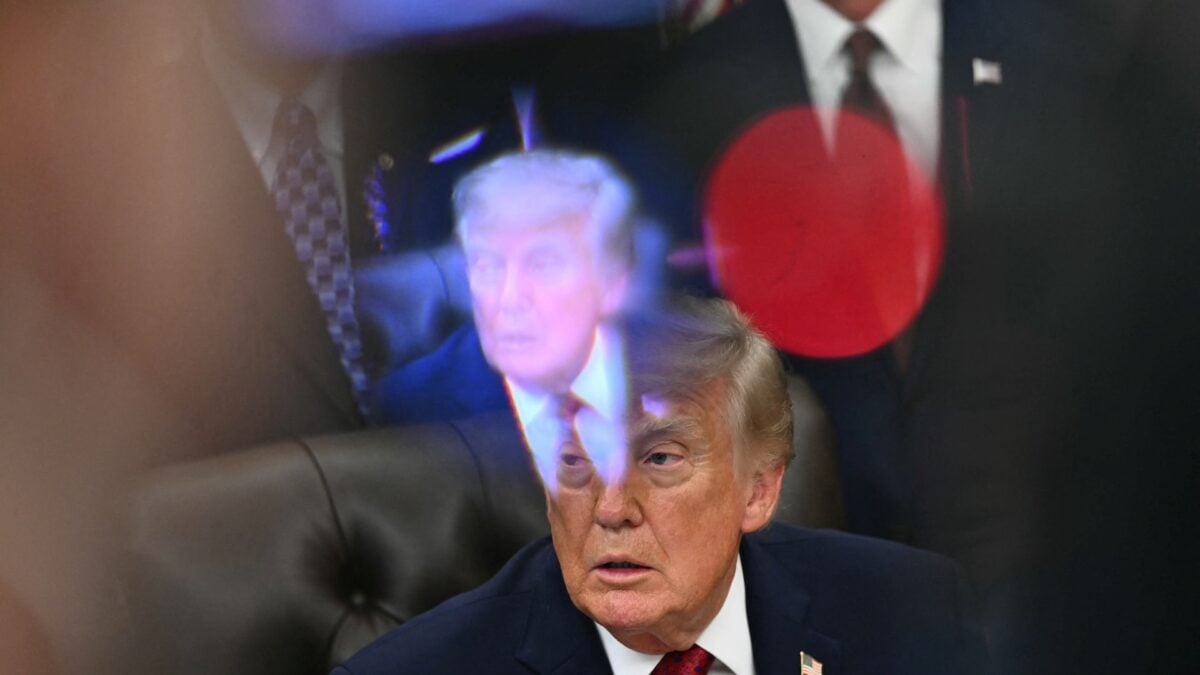
Former President Donald Trump has drawn a firm line against AI regulation, arguing that U.S. leadership and a capable administration are sufficient safeguard. His stance contrasts with growing Democratic calls for oversight and reflects a broader debate over how to manage rapid AI advancement.
What Happened
Trump recently declared that AI requires no formal guardrails, stating only a strong and smart president can provide necessary control. He emphasized existing criminal and regulatory power, suggesting the U.S. already has the tools to address harmful AI behavior. Vice President JD Vance echoed the position, while Democratic senators and a coalition of tech critics have pushed for stronger federal oversight.
The article notes a recent pro-human AI event featuring a former Anthropic whistleblower joining figures like Bernie Sanders and Steve Bannon. Meanwhile, OpenAI's Sam Altman reportedly urged Trump to consider new legislation, framing it as a win-win with China. These developments highlight the widening rift between those advocating for structured AI safeguards and those who favor competitive, market-driven progress.
Why This Matters
The debate touches on fundamental questions about who should steer AI development and under what framework. Trump's position rests on trust in executive judgment and the belief that competition, not preemptive rules, will ensure safe and innovative outcomes. Critics argue that without clear standards, risks especially around misinformation bias and security could outpace accountability measures.
The piece also highlights a key economic concern: heavy-handed regulation may benefit dominant players by slowing competitors a form of regulatory capture. Conversely, existing consumer protection laws may already provide teeth to address harmful AI products without new legislation.
Key Takeaways
- Trump asserts that U.S. presidential authority alone is enough to manage AI risks.
- Democratic leaders and some tech critics advocate for explicit federal guardrails and oversight.
- Existing antitrust and consumer protection laws may already cover many AI harms.
- Regulatory action could inadvertently entrench dominant firms slowing broader market innovation.
- The author recommends a hands-off approach letting competition drive progress while maintaining enforcement against truly harmful behavior.
Conclusion
As AI capabilities expand the clash between regulation and competition will likely intensify. Trump's position reflects a philosophy that trusts executive judgment and market dynamics over preemptive rules. Whether that approach holds as the technology evolves remains to be seen but the conversation underscores the tension between oversight and innovation in the AI era.


Discussion
Join the conversation
Thoughtful reactions, questions, and follow-up ideas help shape the next story.