Introduction
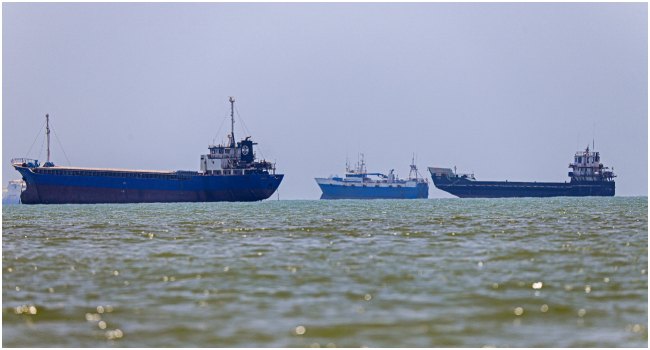
The Strait of Hormuz remains one of the world's most critical chokepoints for global energy supplies. Recent developments saw US President Donald Trump turn down an Iranian proposal that could have reopened the vital waterway within days, reigniting concerns about maritime security and regional stability.
What Happened
Iran presented a seven-day truce plan, contingent on the lifting of sanctions, release of frozen assets, and an end to the US naval blockade. Tehran argued that once these conditions were met, the Strait would be restored to normal maritime passage. Trump, however, dismissed the offer, telling reporters he had rejected it outright. The Iranian foreign ministry, through Qatar, conveyed the framework to the US, citing conditions signed earlier this year. Despite the breakdown, Iranian officials maintained they had not walked away from negotiations, though they ruled out accepting pressure or intimidation. Meanwhile, the US indicated it could resume bombing campaigns in the region, and Trump shared a map on his Truth Social platform labeling the Strait Trump Strait.
- Iran's seven-day plan required the lifting of sanctions, release of frozen Iranian assets, and an end to the US naval blockade.
- Trump rejected the proposal, stating he did not believe Tehran would meet his demands.
- The deal collapsed after Iran fired on commercial ships in Hormuz, accusing them of deviating from approved routes.
- US and Iranian officials exchanged sharp warnings, with Iran's Revolutionary Guards vowing to continue punishment until conditions are met.
Why This Matters
The Strait of Hormuz handles roughly 20% of global oil consumption, making any disruption a major factor in energy prices and economic stability. With the US and Iran at an impasse after nearly seven months of stalemate, the breakdown risks broader implications for Middle East security, especially as regional players such as Saudi Arabia and Russia reiterated the need to keep vital waterways open for global energy security. The situation also underscores the fragility of diplomatic channels between Tehran and Washington, particularly after previous deals unraveled following alleged violations on both sides.
Key Takeaways
- Iran proposed a conditional seven-day reopening of Hormuz tied to specific US concessions.
- Trump rejected the proposal, signaling potential escalation including renewed military action.
- The deal's collapse followed Iran's seizure of commercial vessels in the Strait.
- Global energy markets remain sensitive to any disruption through this critical chokepoint.
- Regional powers such as Saudi Arabia and Russia continue to advocate for uninterrupted maritime passage.
Conclusion
With the US and Iran locked in a cycle of rejection and conditional demands, the future of the Strait of Hormuz hangs in the balance. Diplomacy appears distant as both sides entrench their positions, leaving global energy security as the primary casualty. Observers will be watching closely whether a new framework can emerge before the situation further escalates.



Discussion
Join the conversation
Thoughtful reactions, questions, and follow-up ideas help shape the next story.