Introduction
President Donald Trump spent a recent week turning heads not with substantive AI policy, but with a familiar brand-making maneuver. From a high-profile state dinner to a proposed rename of the entire technology, the administration’s approach to artificial intelligence continues to prioritize spectacle over substance.
What Happened
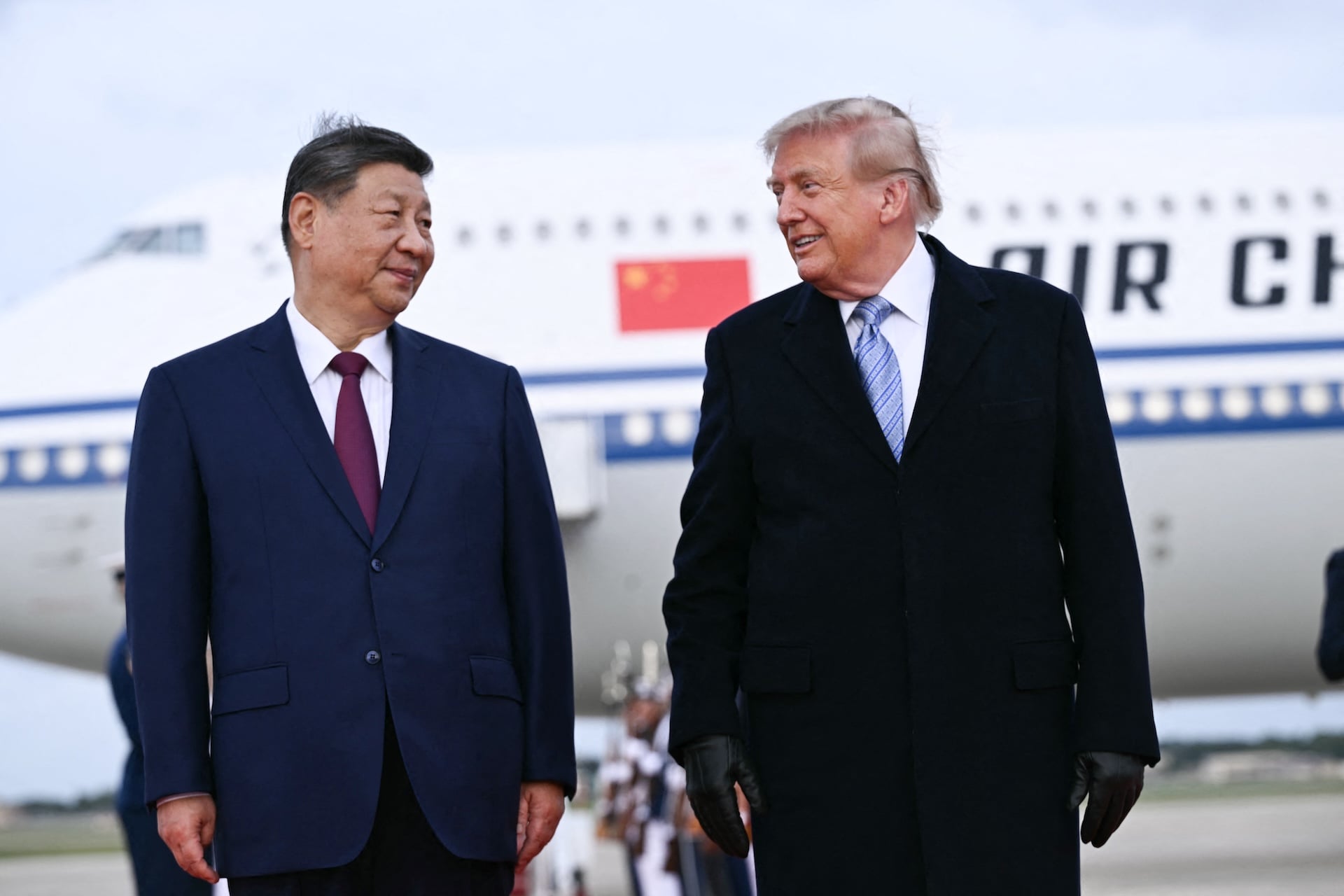
The centerpiece was a state dinner at the White House, where Trump welcomed Chinese leader Xi Jinping alongside tech titans including Elon Musk and Sam Altman. Rather than advancing concrete safeguards, Trump used the occasion to promote a personal rebranding effort. He floated the term Super Intelligence, or SI, as the new preferred label for artificial intelligence, conducting informal polls among his followers to cement the shift. Senior advisor Sebastian Gorka was dispatched to correct media language, scolding Newsmax host Ed Henry for referring to the AI race and insisting the correct term is now SI. The president’s fixation with renaming extends beyond AI—he previously rechristened Lake Ontario as Lake America and the Gulf of Mexico as the Gulf of America—but the AI pivot has drawn particular attention given the geopolitical stakes.
Why This Matters
Beneath the rebranding theater, the episode highlights a broader pattern: Trump’s tendency to shape public discourse through language while sidestepping the complex policy work AI governance demands. The absence of detailed safeguards, combined with the appointment uncertainty surrounding an AI czar, leaves critical questions about U.S. leadership in the field unanswered. Meanwhile, China’s Xi Jinping used the same visit to affirm that both nations bear responsibility for keeping AI under human control, underscoring the real strategic competition at play. The announced launch of America.gov, a proposed one-stop portal for federal services, adds another layer—symbolizing an effort to reorganize government access, though details remain sparse.
Key Takeaways
- Trump reframed artificial intelligence as Super Intelligence following a social media poll, sidelining formal safety discussions.
- The White House state dinner with Xi Jinping and tech elites showcased the political theater surrounding AI rather than concrete policy outcomes.
- Senior advisors have been deployed to enforce the new terminology, reflecting the president’s top-down approach to language.
- Uncertainty persists around the proposed AI czar role, with recent nominees and rumors complicated by ethics and term-limit constraints.
- The planned America.gov portal aims to consolidate federal information, but its scope and impact remain unclear.
Conclusion
Whether Trump’s AI week amounts to meaningful governance or merely another cycle of rebranding and spectacle remains to be seen. What is clear is that the language of artificial intelligence has become another front in the broader battle between political theater and the urgent need for coordinated, human-controlled AI development—especially as the U.S. and China compete for dominance in the space.



Discussion
Join the conversation
Thoughtful reactions, questions, and follow-up ideas help shape the next story.