Introduction
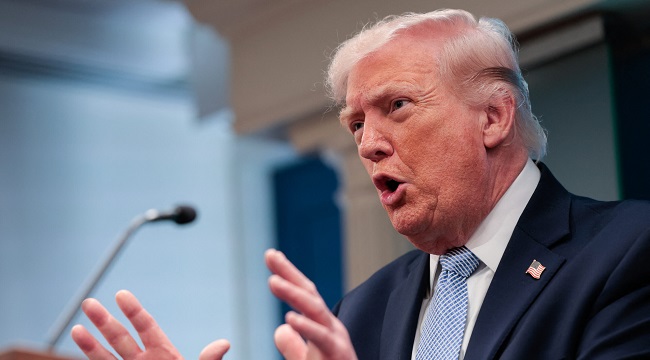
President Donald Trump prepares to deliver a pivotal UN General Assembly address, balancing claims of foreign policy victory with defense of his administration's Iran war record and diplomatic outreach across the Middle East.
What Happened
Trump is expected to assert that his administration is winning on both the battlefield and the diplomatic front, justifying the ongoing Iran conflict while highlighting efforts to broker peace in Gaza and expand the Abraham Accords. He will also hold bilateral meetings with Ukrainian President Volodymyr Zelensky, Japanese Premier Sanae Takaichi, and Venezuela's interim leader Delcy Rodriguez.
Why This Matters
The address serves as a barometer of Trump's foreign policy trajectory, shaping perceptions of U.S. credibility amid ongoing Middle East tensions and broader global challenges. How world leaders respond will influence domestic and international assessments of his peacemaker versus warrior persona.
Key Takeaways
- Trump will frame his UNGA speech as both a victory lap and a defense of military action
- The Iran war features prominently despite unmet objectives and economic repercussions
- Diplomatic outreach to Arab nations and Israel via the Abraham Accords remains a key theme
- Side meetings with Zelensky, Takaichi, and Rodriguez signal a wide diplomatic net
- Past UNGA mishaps continue to color expectations, but this year's focus is on policy over gaffes
- Global reactions will test the durability of Trump's peacemaker narrative
Conclusion
As Trump takes the UNGA podium, all eyes will be on how he reconciles his self-styled role as a global peacemaker with the realities of ongoing conflict and diplomatic pushback. The speech will likely set the tone for the remainder of his administration's foreign policy narrative.


Discussion
Join the conversation
Thoughtful reactions, questions, and follow-up ideas help shape the next story.