
Introduction
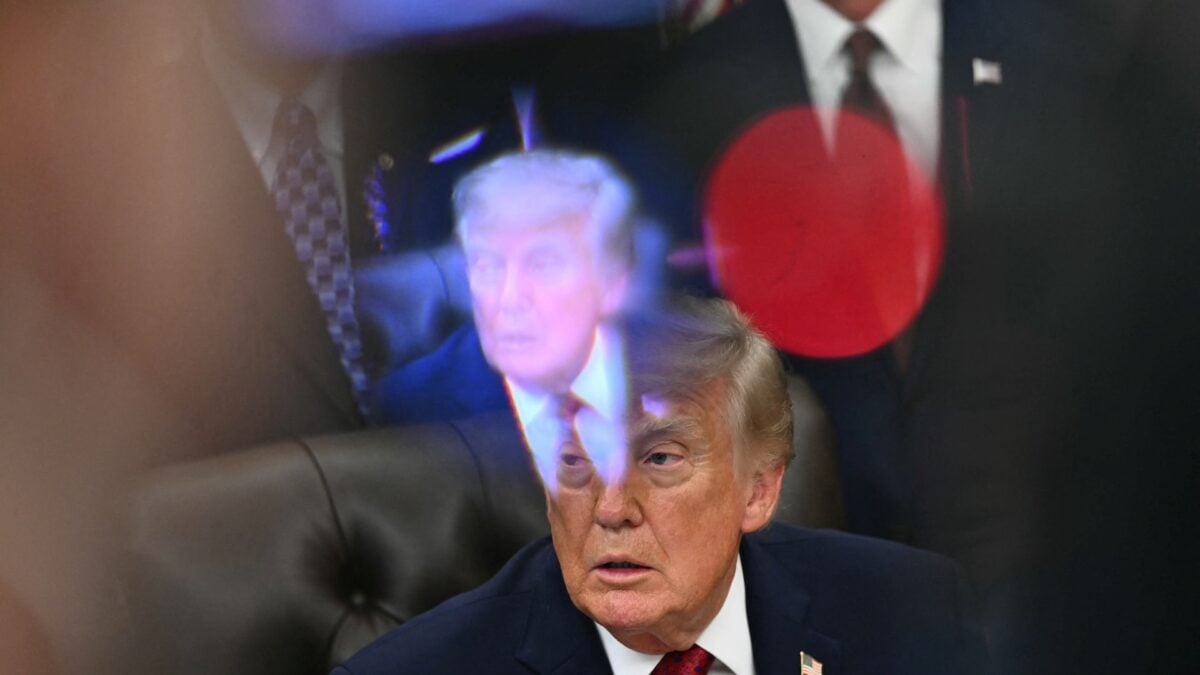
President Trump kicked off a high-profile weekend by taking three distinct actions that dominated the political conversation: restricting White House access for major news networks, unveiling plans for a monumental arch near Arlington National Cemetery, and advancing his vision for a stronger U.S. military footprint in Greenland. The moves, occurring within days of one another, signal a president intent on asserting visible control across domestic and international fronts.
What Happened
The most immediate controversy came from the White House press room, where CNN, MSNBC, and Politico were barred from covering briefings, a decision Trump justified as a response to what he described as biased reporting. Separately, Trump outlined plans for a massive arch structure near Arlington National Cemetery, stating it would serve a military function by housing drones and snipers. He also confirmed intentions to boost U.S. troop levels in Greenland following an agreement with Denmark, while simultaneously announcing plans to establish an AI oversight body aimed at regulating rapid artificial intelligence development. Each announcement stood on its own, but together they paint a picture of a president juggling symbolic, strategic, and security-focused priorities.
- White House press credentials revoked for CNN, MSNBC, and Politico
- Proposed DC arch to have military purpose with drone and sniper positioning
- Increased U.S. troop presence in Greenland after Denmark agreement
- Plan to create AI oversight body while encouraging AI growth
Why This Matters
These developments arrive amid a challenging political climate for the president. Recent setbacks—including a Supreme Court ruling blocking voting restrictions, the Federal Reserve raising interest rates against his wishes, and bipartisan pushback on key issues—have created a backdrop of uncertainty. With Trump's approval ratings hovering below 40 percent in many polls, the weekend's actions may be seen as attempts to energize his base and project strength. Republican strategist Rina Shah framed the pattern as a pursuit of personal victories rather than a broader strategic reset, while presidential historian Barbara Perry noted Trump's reluctance to relinquish power. The decisions also carry practical implications: rising diesel prices, already at a record $6.50 per gallon, could affect farmers and rural voters in key swing states as midterm elections approach.
Key Takeaways
- Trump's actions reflect a pattern of using high-visibility moves to maintain momentum despite political headwinds.
- The media ban underscores ongoing tensions between the administration and the press.
- The Greenland troop buildup and DC arch plan reflect his focus on defense and symbolism.
- With the president set to address the United Nations and host Chinese leader Xi Jinping this week, further developments are expected.
- Voters in agriculture-heavy regions should watch how diesel costs and policy shifts intersect with their daily lives.
Conclusion
As Trump continues to blend symbolic gestures with concrete policy pushes, the coming week will be a test of whether these tactics resonate with his base or further widen gaps with opponents and undecided voters. The intersection of media access, defense spending, and economic pressure means the stakes extend well beyond a single news cycle. Readers should stay tuned to how these narratives develop in the days ahead.
Discussion
Join the conversation
Thoughtful reactions, questions, and follow-up ideas help shape the next story.