Introduction
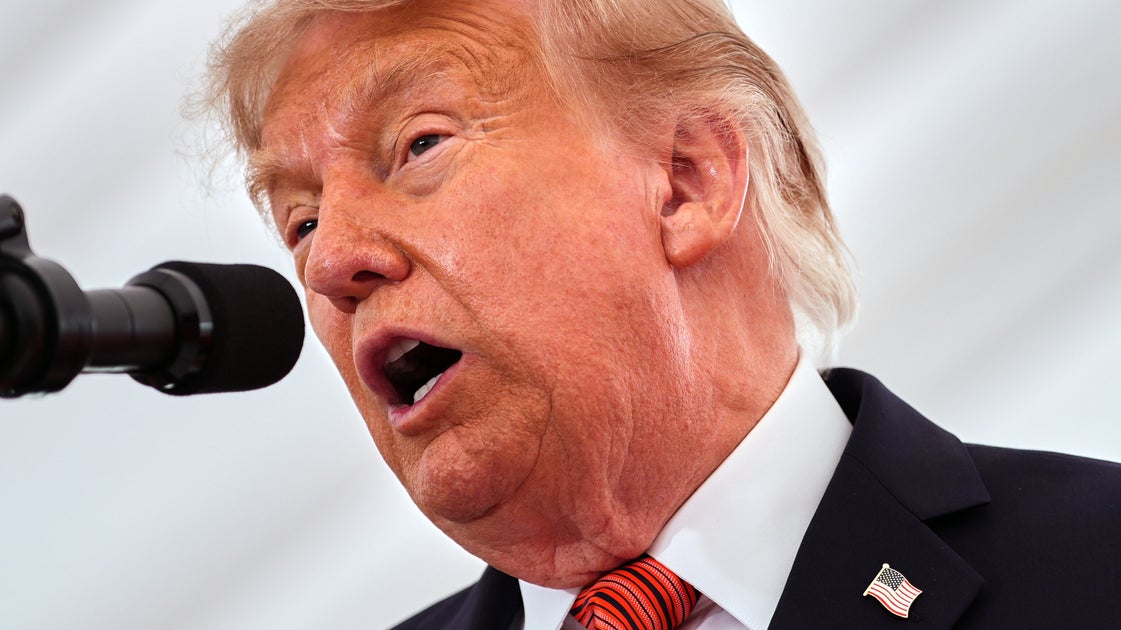
Former President Donald Trump has once again turned his criticism toward NATO, this time over the alliance's refusal to assist with securing the Strait of Hormuz amid escalating tensions with Iran. The remarks, delivered at his Dublin residence, highlight ongoing friction between the former president and European allies.
What Happened
Trump criticized NATO's stance during a Saturday speech at the official U.S. ambassador residence in Dublin. He questioned why the United States should continue supporting the alliance when it declines to help with critical maritime security in the Hormuz strait, a vital chokepoint for global oil shipments. The president also reiterated long-standing grievances regarding trade, energy, and immigration, suggesting that European nations are undermining their own stability.
Why This Matters
The Strait of Hormuz handles roughly one-fifth of the world's daily oil supply, and Iran's tightening grip on the waterway has already pushed benchmark prices above $100 per barrel. Trump's public rebuke underscores how his foreign policy decisions continue to ripple through global markets and alliance dynamics, particularly as he eyes a potential 2026 return to the political stage.
Key Takeaways
- Trump openly challenged NATO's willingness to support U.S. maritime security objectives in the Hormuz strait.
- The refusal comes as Iran's control over the strategic chokepoint intensifies, directly affecting global oil prices.
- Trump's rhetoric reflects a broader America First approach that questions the value of multilateral defense commitments.
- His visit to Ireland for the 2026 Amgen Irish Open at Doonbeg golf resort adds a personal dimension to the diplomatic critique.
- The incident reignites debate over burden-sharing within NATO and the economic consequences of reduced alliance cohesion.
Conclusion
Whether viewed as a necessary recalibration of transatlantic responsibilities or a destabilizing critique of a cornerstone alliance, Trump's latest NATO rebuke signals that the tension between U.S. leadership and European partners remains far from resolved. As global energy markets watch closely, the fallout from this stance could shape both foreign policy discourse and economic trends in the months ahead.


Discussion
Join the conversation
Thoughtful reactions, questions, and follow-up ideas help shape the next story.