Introduction
President Donald Trump has intensified pressure on Ukraine's government, calling for a leadership change and attributing rising U.S. diesel prices to President Volodymyr Zelenskyy. The remarks come alongside a new agreement to purchase diesel from Russia, a move that has drawn swift condemnation from Kyiv and European allies.
What Happened
At a rally in Tennessee, Trump stated that Ukraine should get a new leader capable of securing deals, suggesting Zelenskyy has failed to end the war with Russia. He simultaneously announced that Russia would supply over 300,000 tons of diesel immediately, with additional shipments through November and beyond, aiming to ease fuel costs ahead of the U.S. midterm elections.
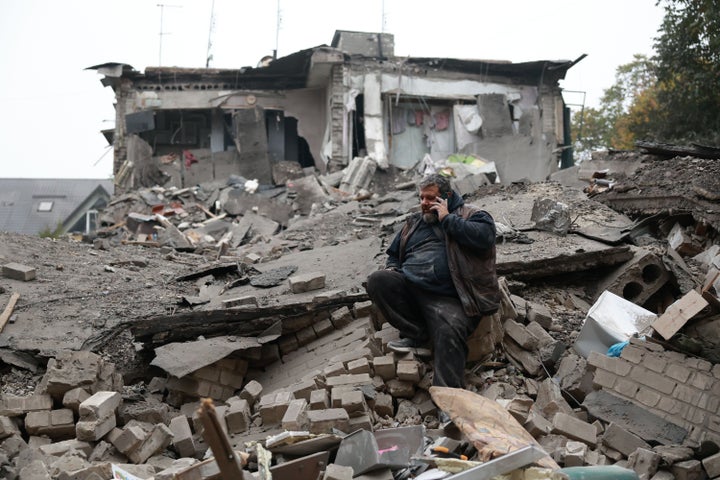
The announcement followed Russian airstrikes that killed at least 20 people in Zaporizhzhia, including three children, and injured dozens more. Ukrainian officials and European partners expressed alarm, arguing the fuel deal would bolster Russia's war effort.
Why This Matters
Trump's dual approach — urging a leadership change in Kyiv while courting Russian energy supplies — highlights the complex intersection of U.S. domestic politics and the ongoing conflict in Ukraine. Critics argue the diesel deal indirectly funds Moscow's military operations, while supporters frame it as a necessary step to lower American pump prices.
European leaders swiftly pushed back, with the German and Polish governments reaffirming support for sanctions, and the EU preparing its most comprehensive Russia sanctions package to date. Meanwhile, Ukrainian officials said they were blindsided by the announcement and are coordinating air defense upgrades to counter anticipated escalations.
Key Takeaways
- Trump urged Ukraine to replace its president, linking Zelenskyy's leadership to U.S. diesel price spikes.
- Russia will deliver fuel shipments totaling more than 3 million tons in the coming months, potentially offsetting Western sanctions.
- Russian strikes on Ukrainian cities killed 20 people, including children, drawing international outrage.
- European allies reaffirmed their commitment to sanctions, warning the fuel deal strengthens Russia's war chest.
- Ukraine's government was not consulted beforehand, raising questions about coordination and transparency.
Conclusion
The latest Trump-Putin fuel arrangement and leadership rhetoric underscores how the Ukraine war continues to intersect with U.S. domestic energy politics. As Kyiv and its allies push back, the move reignites debate over whether short-term price relief justifies long-term strategic risks. The coming weeks will likely reveal whether the diesel shipments ease American costs or deepen the conflict's economic and human toll.





Discussion
Join the conversation
Thoughtful reactions, questions, and follow-up ideas help shape the next story.