Introduction
Political rallies usually focus on policy and ideology, but recent events involving top U.S. officials have shifted attention toward personal remarks and physical commentary. As the nation approaches key elections, the way leaders present themselves and each other reveals much about the cultural currents shaping American politics.
What Happened
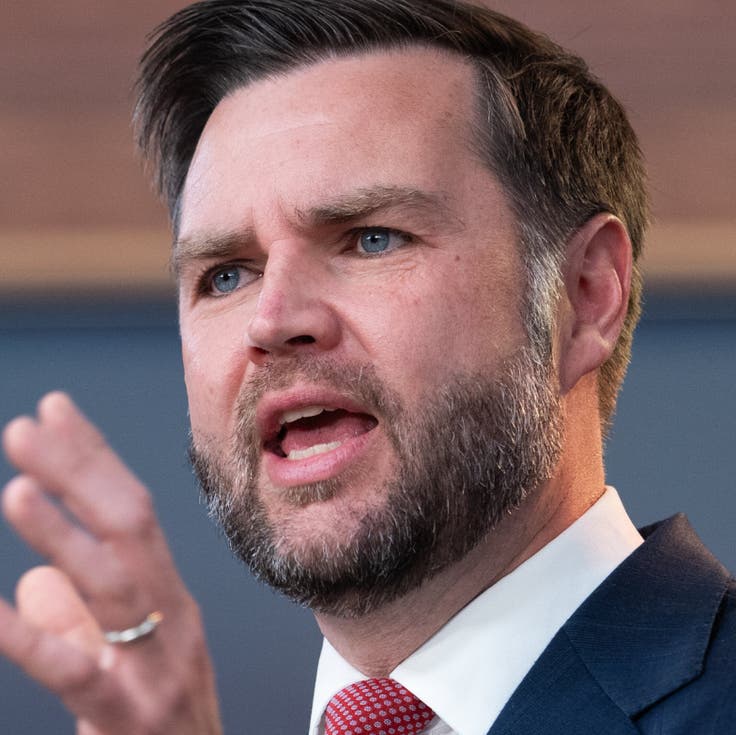
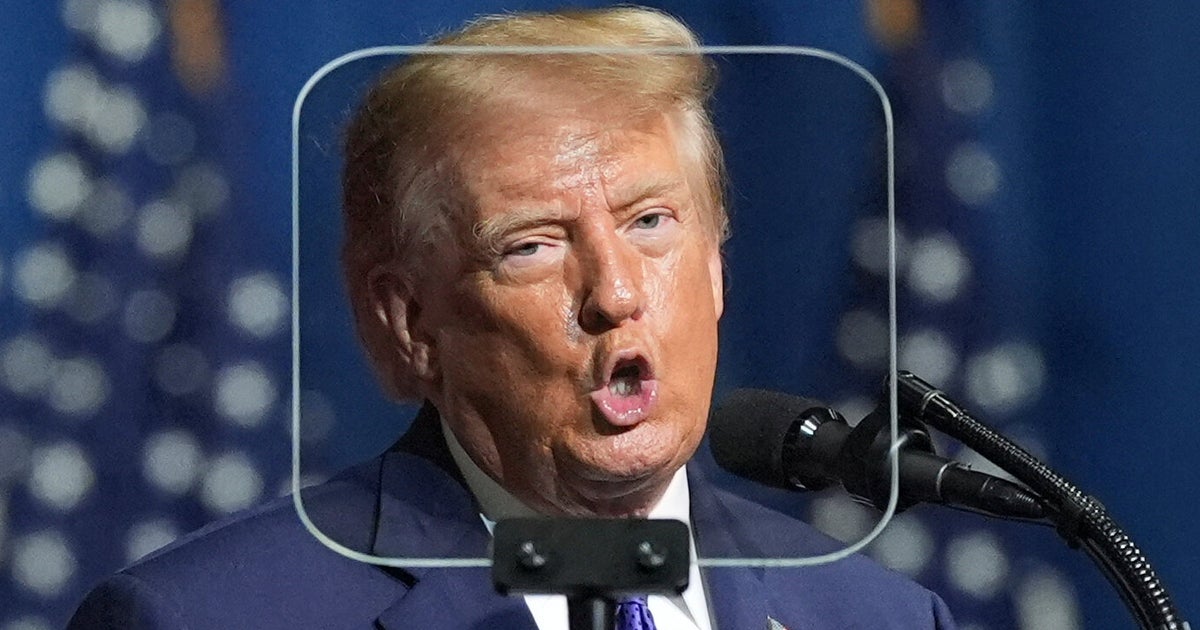
During a Monday rally in Ohio supporting Republican incumbent Jon Husted, President Trump referenced Husted's athletic past and then admitted to checking him out from head to toe, noting he looked at his ass. The comment, framed as endorsement, quickly drew attention for its overtly personal nature. The following day, Vice President JD Vance was at a Texas rally for Senate nominee Ken Paxton when a supporter praised him. Vance responded with I love you too sir In a totally platonic way to be clear, a moment that critics interpreted as a nervous no-homo disclaimer in a public setting.
Why This Matters
Beyond the awkwardness, these exchanges point to a larger pattern. When political leaders invoke bodies and sexuality whether through leering remarks or forced denials they reduce opponents to objects and signal a culture where dominance and performative masculinity take precedence over substantive debate. The timing amid rising concerns about sexual violence and economic anxiety makes the remarks feel less like humor and more like a reflection of entrenched power dynamics.
Key Takeaways
- Unsolicited body commentary from those in power sets a troubling precedent for public discourse.
- The vice president's no-homo moment exposes how deeply ingrained masculinity norms still influence political interactions.
- Voter attention remains on cost of living accountability and real policy making such distractions increasingly out of step.
Conclusion
As the midterm season intensifies the way leaders carry themselves and comment on one another's bodies will continue to shape public perception. What may seem like offhand jokes actually reinforce broader cultural narratives about power gender and respect. Moving forward voters and media alike have an opportunity to demand more substantive conversation and hold leaders accountable when the line into inappropriate territory is crossed.




Discussion
Join the conversation
Thoughtful reactions, questions, and follow-up ideas help shape the next story.