Introduction
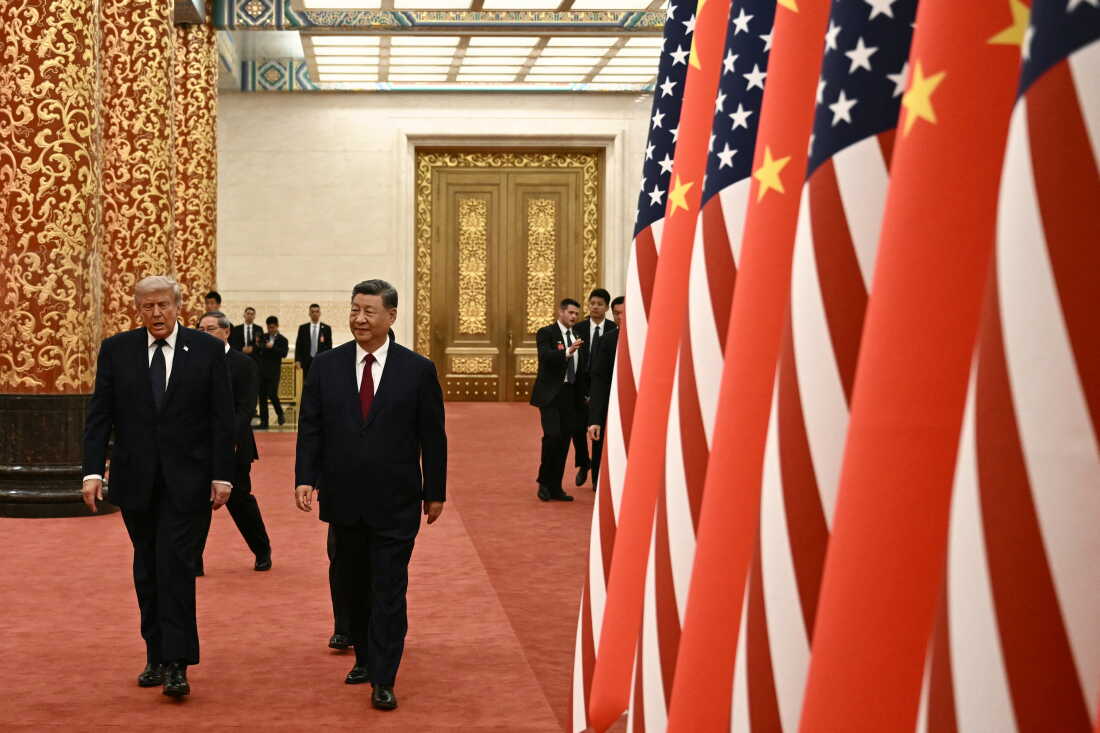
The leaders of the world's two largest economies have drawn fresh attention with a high-stakes encounter in Beijing, marking the first Chinese state visit to the United States in over a decade. Against a backdrop of intense domestic political pressure and global scrutiny, the meeting carries weight far beyond ceremonial pageantry.
What Happened
President Xi Jinping arrived in Washington for a much-anticipated state visit, the second such engagement between the two heads of state this year following a Beijing summit in May. Both leaders are navigating internal political tides--Trump facing a critical midterm election window, Xi preparing for a pivotal Party Congress back home. While both sides project an image of constructive strategic stability, the talks unfolded against a series of ongoing disputes. From trade restrictions and technology bans to high-level diplomatic gestures, the agenda was dense and the stakes were high.
Why This Matters
The ripple effects of this encounter extend across global markets, supply chains, and geopolitical alignments. With the United States relying on Chinese critical minerals for everything from smartphones to defense systems, and China watching closely for signs of continued pressure, the dialogue touches on questions of technological dominance, economic leverage, and regional security. Issues such as artificial intelligence governance, trade tariffs, and flashpoints in the Indo-Pacific, including Taiwan, the Korean Peninsula, and conflicts in Iran and Ukraine, all sit on the table. How the two leaders manage these competing priorities will shape the trajectory of one of the world's most consequential relationships.
Key Takeaways
- The visit represents the second face-to-face meeting between the presidents in 2026, underscoring a pattern of frequent high-level engagement despite underlying tensions.
- Both leaders are balancing domestic imperatives: Trump's political calendar and Xi's internal party preparations are driving the timing and tone of the summit.
- While public rhetoric emphasized cooperation and warmth, behind-the-scenes negotiations revealed persistent friction over trade, technology export controls, and rare earths supply chains.
- U.S.--including new tariffs, military blacklisting of Chinese tech firms, and restrictions on robotics imports--signal a continued posture of pressure.
- Beijing's rare earths export policies remain a critical leverage point, with American officials noting a lack of reciprocity in earlier agreements.
- Diplomatic experts stress that establishing reliable communication channels will be essential to prevent miscalculation and manage the inevitable ups and downs of the relationship.
Conclusion
As the two economic superpowers navigate a complex landscape of cooperation and competition, this latest meeting serves as a barometer for the state of U.S.-China ties. What happens next--particularly around the extension of key trade truces and the management of technological disputes--will likely determine whether the relationship stabilizes into a more predictable framework or continues to oscillate between confrontation and cautious engagement. Observers will be watching closely for concrete outcomes and the next scheduled high-level dialogue.

Discussion
Join the conversation
Thoughtful reactions, questions, and follow-up ideas help shape the next story.