
Introduction
A National Public Radio politics chat brought together senior correspondents to examine the latest shifts in the national political landscape, focusing on foreign policy divides and party fundraising ahead of a critical election cycle.
What Happened
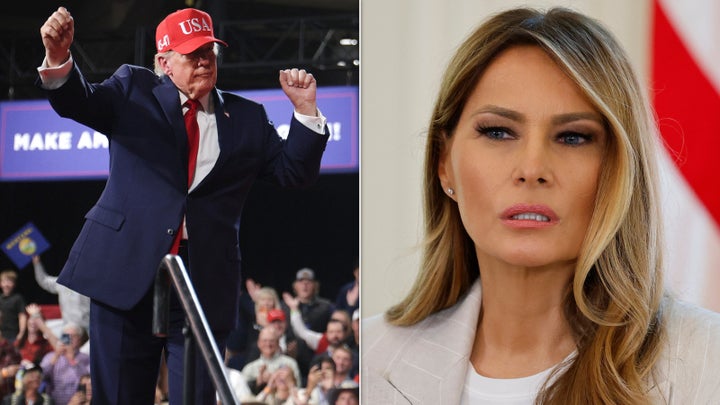
Discussion centered on former President Donald Trump's recent positions regarding Russia, artificial intelligence, and Iran, which have drawn sharp contrast with widespread voter concerns. The conversation also highlighted a significant fundraising surge by Democratic allies, who are channeling resources into competitive House and Senate races for the 2026 midterms.
- Trump's stance on Russia, AI, and Iran has sparked debate across the political spectrum.
- Democrats have accelerated donor outreach, leveraging shifting voter sentiment to build a robust war chest.
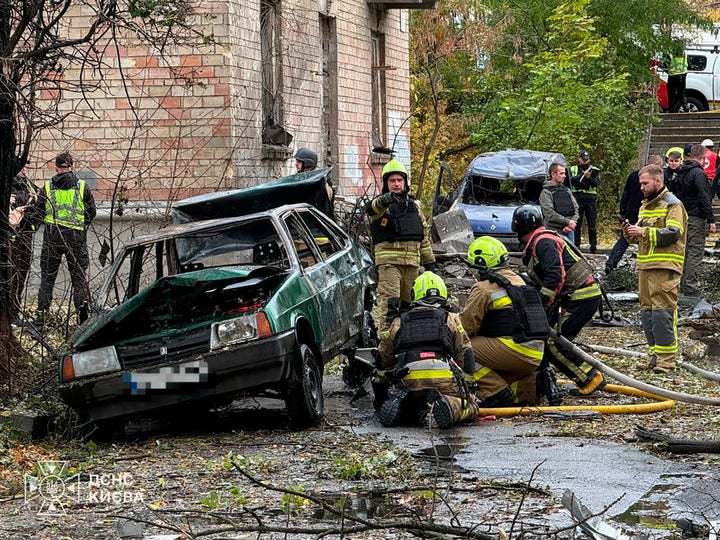
- Zelenskyy's comments on the former president's foreign policy approach added another layer to the ongoing dialogue.
Why This Matters
The interplay between foreign policy rhetoric and domestic campaign finance is shaping voter perception and party strategy as the midterms approach. How leaders address international challenges directly influences electoral outcomes and legislative priorities.
Key Takeaways
- Foreign policy debate is creating voter realignment opportunities.
- Democratic fundraising is outpacing traditional benchmarks for the midterm cycle.
- International commentary, including from Ukrainian leadership, is influencing U.S. political discourse.
Conclusion
As the 2026 midterms loom, the intersection of foreign policy debate and campaign finance will remain a central theme for analysts, candidates, and voters alike. The ongoing conversation captured by NPR's politics chat offers a snapshot of the forces reshaping the electoral map.




Discussion
Join the conversation
Thoughtful reactions, questions, and follow-up ideas help shape the next story.