Introduction
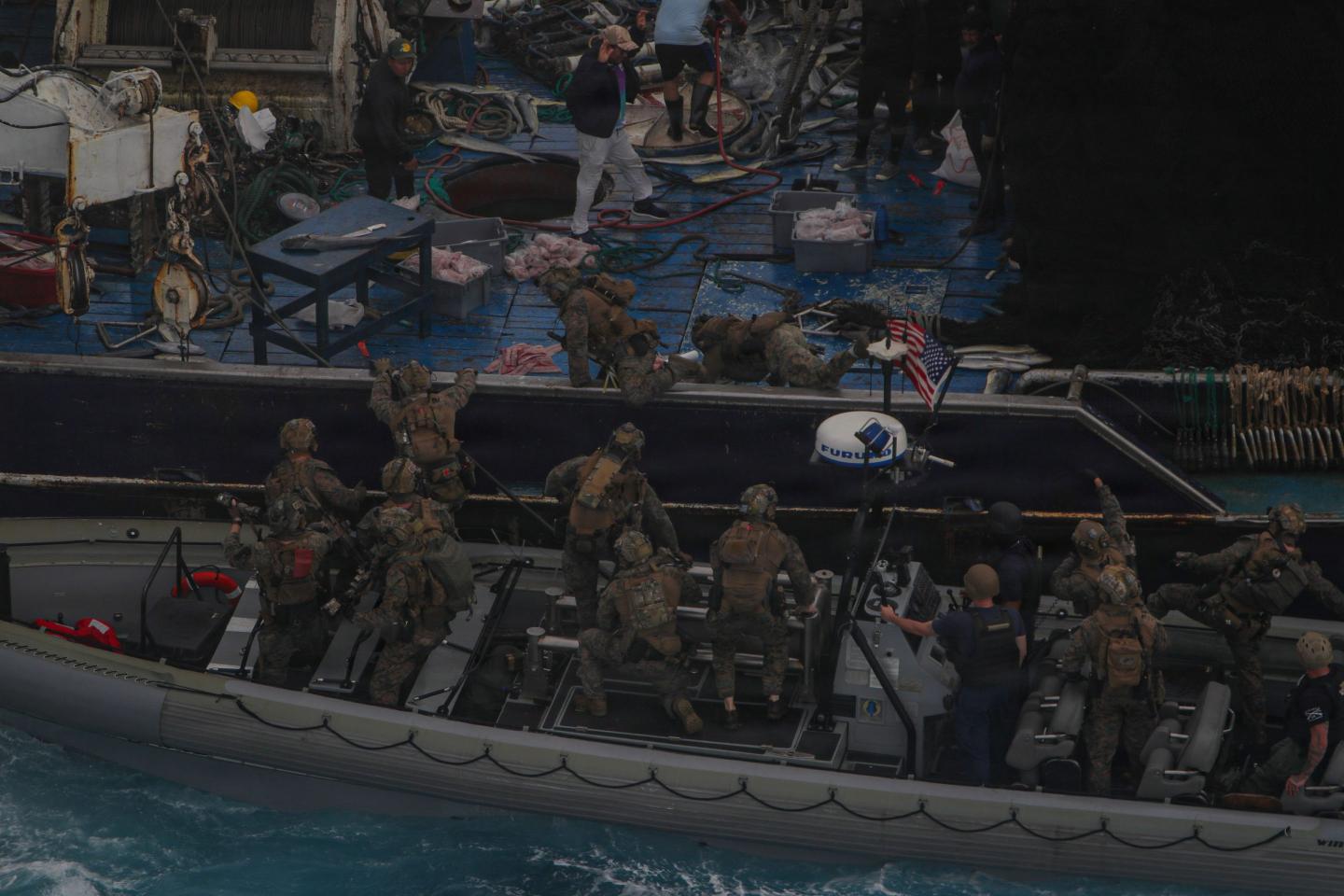
The U.S. is preparing to receive its first major shipment of Iranian crude in years, worth approximately $600 million. The oil is crossing the Atlantic after naval forces seized several tankers linked to Iran under an ancient legal framework that has suddenly regained attention.
What Happened
Three very large crude carriers carrying Iranian oil have been intercepted and forced toward U.S. waters. Two of the tankers, the Tifani and Majestic X, were boarded in the Indian Ocean back in April and are now off the coast of Brazil. A third vessel, the Lenore, along with the Davina, passed the Cape of Good Hope and is now heading west into the Atlantic after being interdicted in June. Each ship can hold about 2 million barrels, and with Brent crude hovering around $106 per barrel, the total cargo nears 6 million barrels and $600 million in value. The seizures came after the U.S. imposed a naval blockade on Iranian ports in April, which was briefly lifted over summer before being reimposed as the administration shifted toward economic warfare rather than military strikes.
Why This Matters
The legal mechanism enabling these seizures, known as prize law, dates back to the Middle Ages and operates differently from modern civil seizure statutes. Prize law allows the Defense Department to capture enemy vessels without needing a warrant or proving a specific statutory violation—it’s based on the status of the ship and its cargo as enemy property during conflict. The practice was last used during the Spanish-American War and before that by Abraham Lincoln during the Civil War under the Prize Act of 1812. If the tankers dock at a U.S. port, most likely along the Texas Gulf Coast, federal courts will have to adjudicate their fate. The U.S. Attorney for the Southern District of Texas, Aaron Reitz, has already stated his office is prepared to handle the proceedings, emphasizing that prize law provides a clear framework for condemning, returning, or disposing of seized maritime property.
Key Takeaways
- Nearly 6 million barrels of Iranian crude, valued at roughly $600 million, are en route to the United States after naval seizures.
- The tankers were intercepted under prize law, an ancient maritime legal tradition that bypasses many standard civil seizure requirements.
- The U.S. naval blockade, initially imposed in April and reimposed after a summer pause, targets vessels linked to Iran regardless of ocean.
- If the ships reach U.S. shores, the Texas coast is the most likely destination, given its concentration of refineries and the Southern District of Texas’ readiness to adjudicate prize cases.
- The revival of prize law marks a significant shift toward economic warfare, using maritime law rather than airstrikes or sanctions to pressure adversaries.
Conclusion
As the seized Iranian oil tankers close in on American shores, the case is drawing renewed attention to a centuries-old body of maritime law that the U.S. government is reactivating for modern economic strategy. Whether the vessels ultimately get condemned, returned, or sold off will depend on how federal courts apply prize law in a 21st-century context—but the mere fact that $600 million worth of crude is sailing toward U.S. ports underscores how deeply naval history and contemporary geopolitics can intersect.



Discussion
Join the conversation
Thoughtful reactions, questions, and follow-up ideas help shape the next story.