Introduction
The UN's International Fund for Agricultural Development has issued a stark warning about a global food crisis on the horizon. Soaring energy prices and climbing fertilizer costs are combining to push up food prices worldwide, threatening millions of livelihoods and household budgets.
What Happened
Global agricultural prices rose 13 percent in the third quarter, according to IFAD, which warned a food crisis is looming. The surge in energy costs, driven by conflict in the Middle East, has sharply increased the price of fertilizers and fuel needed for farming and food transport. IFAD President Alvaro Lario told AFP that over the next six to nine months, food price increases and inflation will continue, affecting populations already stretched thin.
Why This Matters
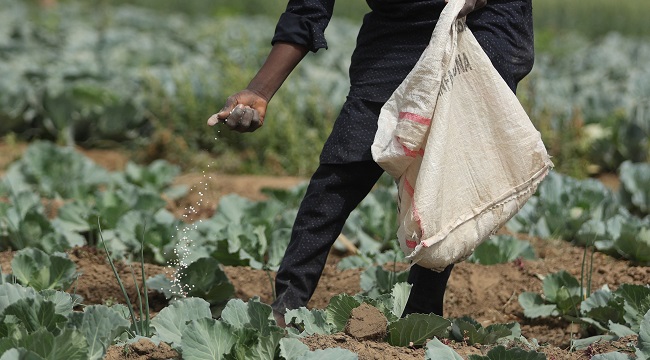
The impact falls heaviest on smallholder farmers, who produce one-third of the world's food and up to 70 percent of food in many developing nations. These farmers are especially vulnerable to rising fertilizer prices and fuel costs. With nearly one in three people globally unable to afford a healthy diet, the ripple effects threaten public health and economic stability. Experts warn that without targeted support, the most vulnerable populations will face the deepest impacts.
Key Takeaways
- Global food prices jumped 13 percent in Q3, signaling a worsening crisis.
- Nearly one in three people cannot afford a healthy diet, IFAD reports.
- Smallholder farmers are the most affected by rising energy and fertilizer costs.
- G7 nations committed $2.5 billion to support food-insecure countries.
- Long-term resilience requires diversifying crops, improving soil health, and increasing climate adaptation investments.
Conclusion
The UN warning underscores that the intersection of energy shocks, fertilizer costs, and climate vulnerability is creating a perfect storm for global food security. Without sustained investment in resilient farming practices and climate-adaptive agriculture, the most vulnerable populations will continue to bear the brunt of rising food prices. Staying informed and supporting policy solutions will be critical as the situation develops over the coming months.


Discussion
Join the conversation
Thoughtful reactions, questions, and follow-up ideas help shape the next story.