Introduction
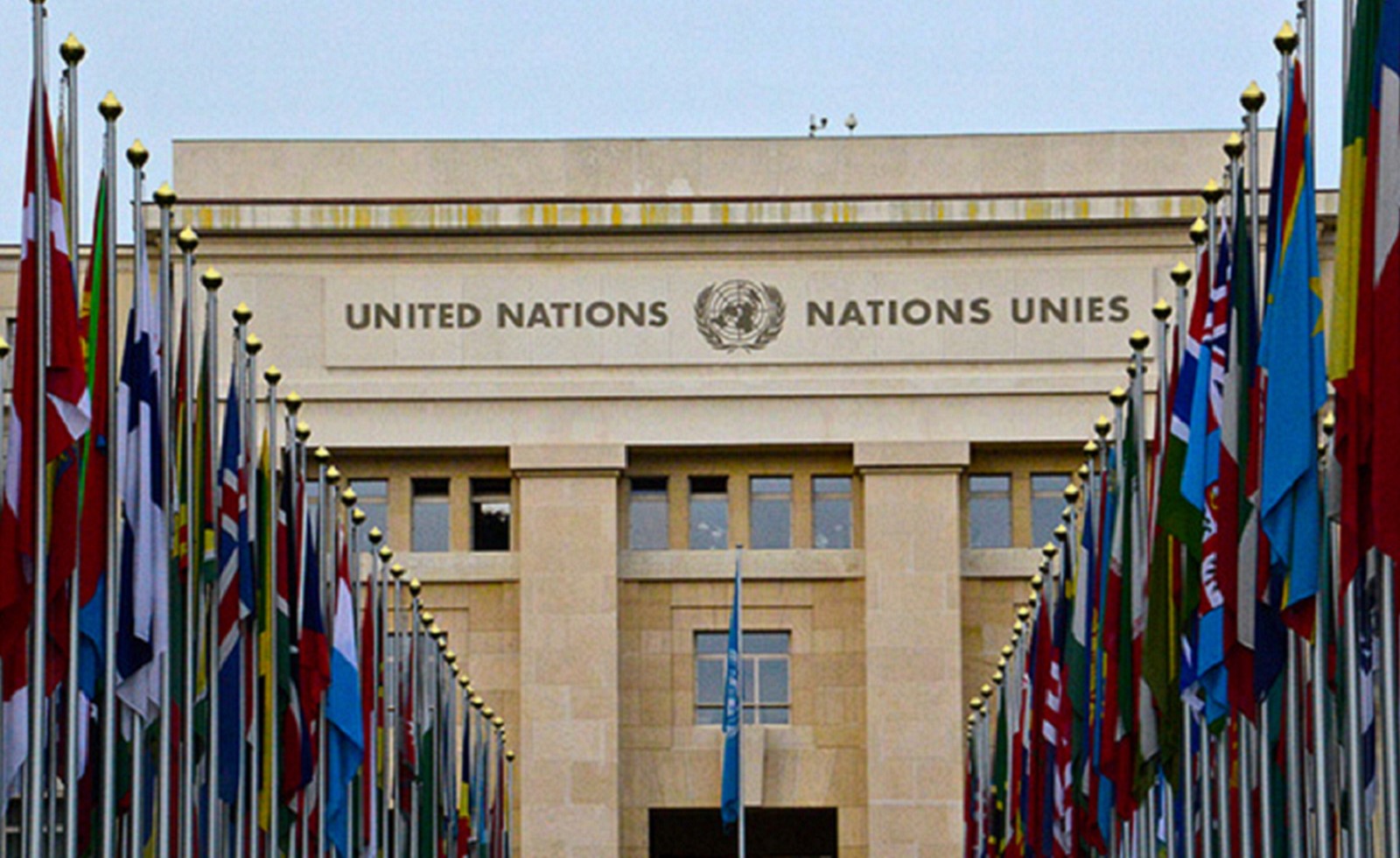
The United Nations Conference on Trade and Development (UNCTAD) 2026 Trade and Development Report identifies Nigeria alongside Angola, Guyana, and Kazakhstan as oil exporters positioned to gain from rising global energy prices, though limited domestic refining capacity may temper the benefits.
What Happened
The report links the outlook to the Middle East conflict, which damaged energy infrastructure and disrupted transit through the Strait of Hormuz, triggering the largest monthly loss of global energy supply on record. Brent crude surged from about $70 to over $110 per barrel, and while higher prices boost export earnings for Nigeria and similar nations, insufficient refining capacity could offset gains through costlier refined products.
Why This Matters
Beyond immediate revenue, the energy shock has broader implications. UNCTAD projects global economic growth of 2.6% in 2026 and 2.7% in 2027, down from 2.9% in 2025. Developing economies are expected to grow at 4% in 2026, with Africa at 4.1% and 4.2% in the following years. The report warns the shock could fuel inflation, tighten monetary policy, and increase borrowing costs. However, Nigeria's expanding refining sector, including Dangote Petroleum Refinery's daily supply of roughly 50 million litres of petrol, is helping reduce reliance on imported fuel and narrowing the import bill significantly.
Key Takeaways
- Nigeria, Angola, Guyana, and Kazakhstan are positioned to benefit from higher global energy prices.
- Limited domestic refining capacity could offset a portion of these gains through higher refined product costs.
- UNCTAD warns the energy shock may fuel inflation, tighten monetary policy, and increase financial stability risks.
- Global growth is projected to slow to 2.6% in 2026, with developing economies growing at 4%.
- Nigeria's refining expansion and falling petrol imports signal progress toward greater energy independence.
Conclusion
While higher energy prices present a revenue opportunity for Nigeria and comparable exporters, the report underscores that refining capacity, fiscal management, and multilateral support will determine how much of that benefit translates into sustained economic growth. Addressing energy supply constraints may prove more effective than monetary tightening alone in combating supply-driven inflation.





Discussion
Join the conversation
Thoughtful reactions, questions, and follow-up ideas help shape the next story.