Introduction
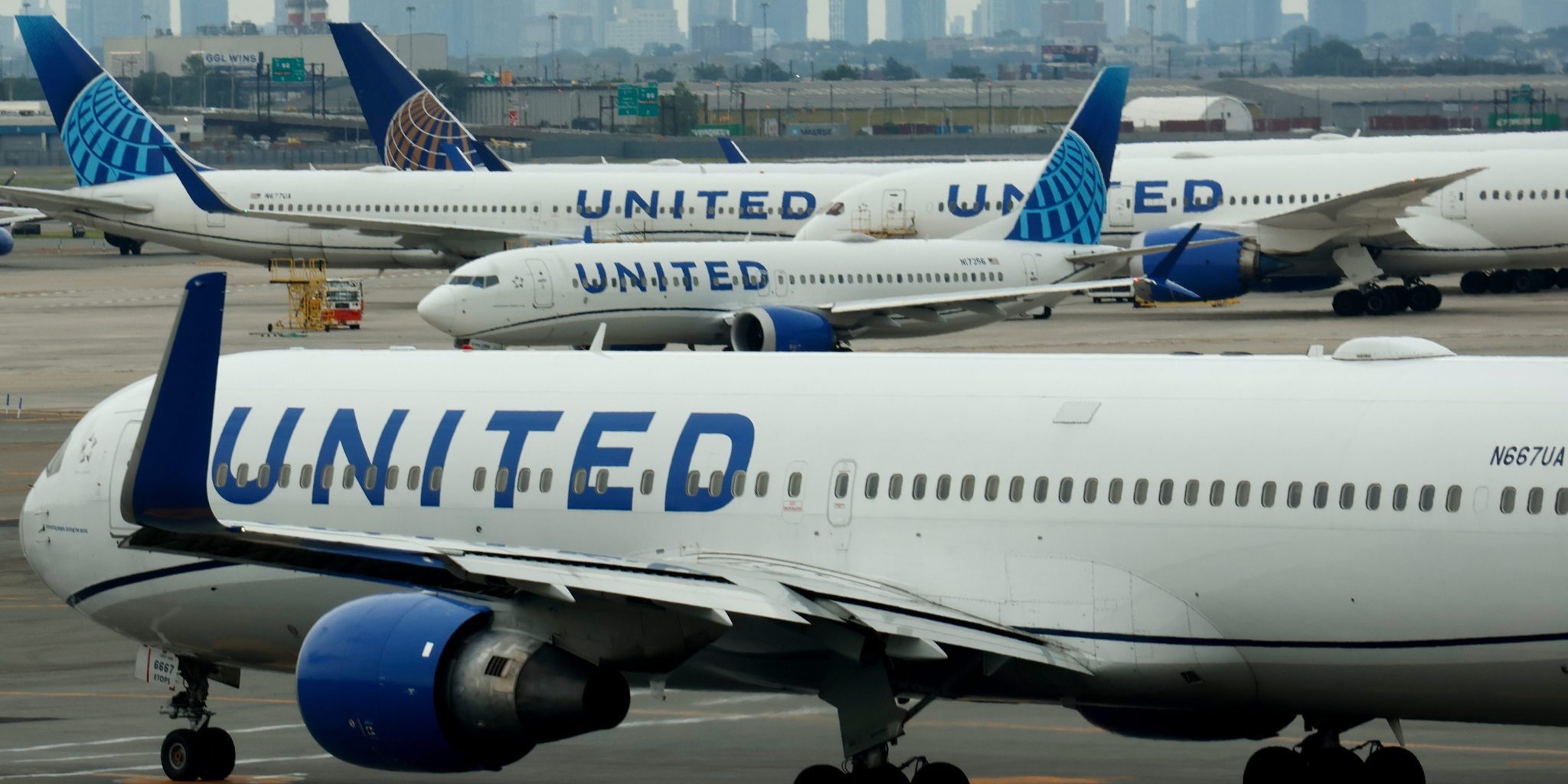
United Airlines has resumed transporting military hardware to Israel aboard commercial flights, reigniting debate over the ethics of using civilian aircraft for defense logistics. After pausing shipments for over six months following the Iran conflict escalation, the airline is again moving weapons components, parts, and armored vehicle pieces aboard routine flights.
What Happened
Shipping data reviewed shows United Flight 90 carried five military cargo loads from Newark to Tel Aviv. In total, the airline moved nearly 3,000 loads of war materiel across 160 passenger flights between mid-2025 and early 2026. Destinations included major Israeli defense facilities such as Elbit Systems campuses in Rehovot, Ramat Hasharon, and Karmiel, as well as Israeli Ministry of Defense sites and F-35I fighter jet bases. At least one shipment to Karmiel was flagged as foreign military sales. The cargo ranged from fighter jet components and tank parts to helmet displays, electronics, and small hardware like nuts and bolts.
Why This Matters
Researchers tracked shipments using open-source cargo documentation and found that many components end up in weapons systems used in conflicts across Gaza, Lebanon, and against Iran. Advocacy groups argue that moving military hardware on civilian flights obscures the supply chain and puts passengers unaware of what's in the cargo hold. The report highlights specific parts like F-35 gunner display units and armored tank sights that have been documented in conflict zones, raising questions about accountability and compliance with international law.
Key Takeaways
- United transported 2,761 military shipments on 160 passenger flights from July 2025 to February 2026.
- Over 2,500 of those shipments went directly to Israel on flights between Newark and Tel Aviv.
- Domestic routes also funneled cargo to Newark, with the highest volume on the Dallas-Fort Worth to Houston leg.
- Elbit Systems was the primary recipient, receiving the bulk of the tracked materiel.
- The practice halted briefly during heightened conflict but has resumed as passenger services normalize.
- Groups are calling on United to adopt a permanent ban on military cargo in passenger compartments.
Conclusion
The resumption of military shipments on United passenger flights underscores a broader pattern of civilian aviation being leveraged for defense logistics without public visibility. As conflict dynamics shift and scrutiny intensifies, the airline faces pressure to clarify its policies and determine whether continuing to transport weapons components alongside travelers aligns with its corporate responsibility and ethical standards.



Discussion
Join the conversation
Thoughtful reactions, questions, and follow-up ideas help shape the next story.