Introduction
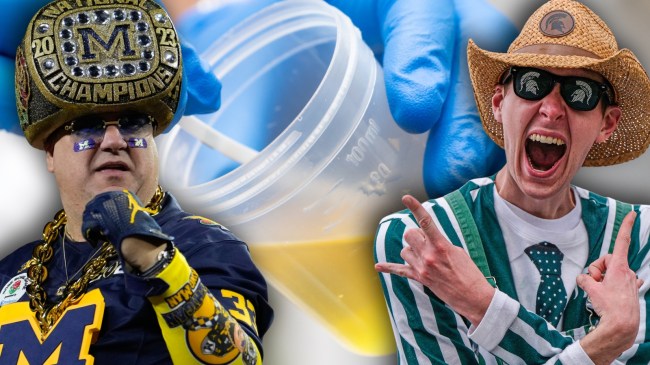
When two of college football's oldest rivals meet researchers are turning tailgating traditions into a sustainability experiment. At the upcoming Michigan-Michigan State showdown scientists are collecting fan urine to support environmental research.
What Happened
Scientists from the University of Michigan and Michigan State University in partnership with the Nutrient-Energy-Water N-E-W Cycles Group installed specialized urinals at Michigan Stadium near Gates 2 and 4. Fans could donate urine from 1 p.m. through the 7:30 p.m. kickoff with over 100,000 expected attendees participating in the collection effort.
Why This Matters
Urine contains nitrogen phosphorus and potassium key nutrients for crop growth. By recovering these elements the project transforms what would be wastewater into organic fertilizer reducing reliance on synthetic alternatives. The resulting pellets will nourish plants at Matthaei Botanical Gardens and the W.K. Kellogg Biological Station.
Key Takeaways
- Urine from an estimated 100,000-plus game-day attendees is being collected for nutrient recovery.
- The N-E-W Cycles Group will extract nitrogen phosphorus and potassium to create fertilizer pellets.
- End product will support plant health at University of Michigan and Michigan State research sites.
- The initiative demonstrates how large-scale events can integrate sustainable waste-to-resource practices.
Conclusion
From rivalry to resource recovery the Michigan-Michigan State game proves that even centuries-old traditions can adapt for a greener future. Fans willing to contribute a small part of themselves help advance circular economy principles while enjoying college football's biggest in-state matchup.





Discussion
Join the conversation
Thoughtful reactions, questions, and follow-up ideas help shape the next story.