Introduction
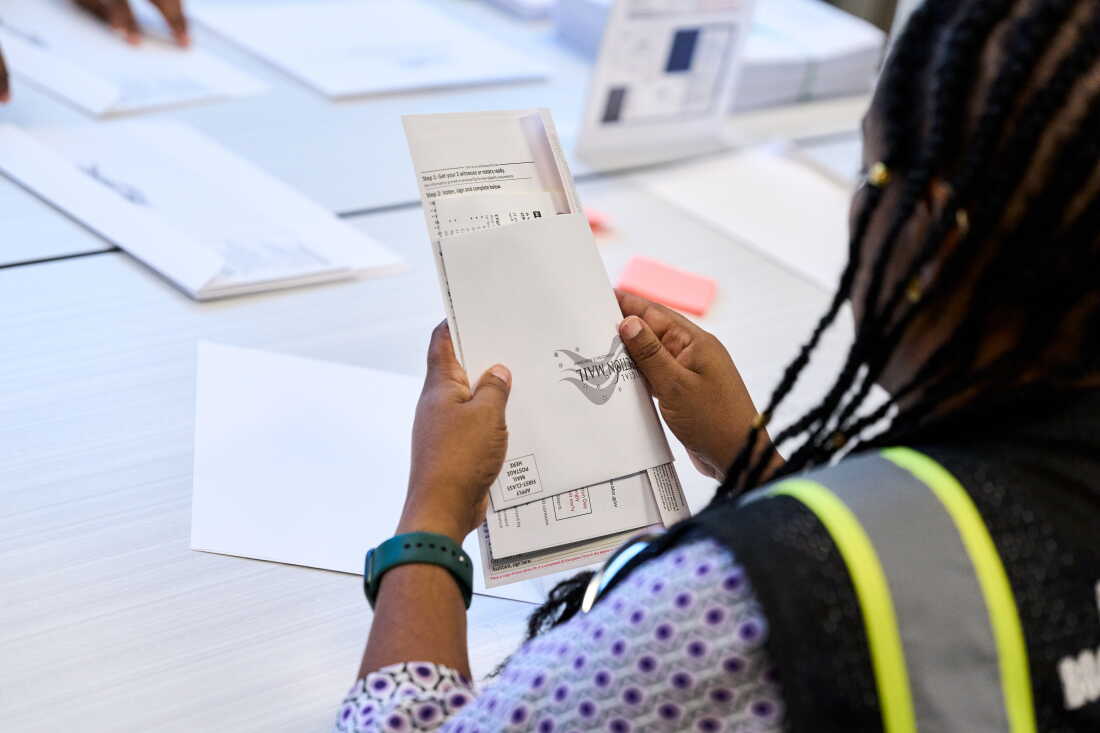
As the 2026 midterms approach, changes to the U.S. Postal Service mail processing system have introduced new risks for voters relying on mail-in ballots. Late postmarks, driven by recent operational shifts, could prevent thousands of votes from being counted.
What Happened
Since April 2025, USPS has implemented daily mail pickup cuts and processing adjustments at post offices, particularly in rural areas, as part of its Regional Transportation Optimization plan. These changes mean envelopes may not receive an automatic date stamp upon collection. In response, USPS has introduced extraordinary measures for the midterms, including manual postmarking starting October 26 and extended post office hours beginning October 24 to accommodate voter needs.
Why This Matters
Election officials rely on postmark dates to determine whether a ballot was mailed by Election Day. When postmarks are delayed, ballots can be rejected even if sent on time. The impact is especially pronounced in states with tight deadlines and in regions with limited post office access. A Brookings Institution analysis estimates between 43,000 and 55,000 additional ballots could be rejected nationally due to these shifts.
Key Takeaways
- Mail-in ballots sent close to Election Day face a heightened risk of late postmarks and rejection.
- USPS extraordinary measures, including manual postmarking and extended hours, begin October 24 and 26.
- Voters are encouraged to return ballots early, use official drop boxes, or visit local election offices to ensure timely processing.
- Trust in USPS delivering mail-in ballots on time has declined, according to recent polling.
Conclusion
The 2026 midterms will test how well the postal system and voters adapt to these new challenges. Planning ahead, dropping off ballots well before deadlines, and staying informed about local postmark policies are the best ways to ensure every vote is counted. Voters should check their state's specific deadlines and consider early in-person or drop-off options whenever possible.


Discussion
Join the conversation
Thoughtful reactions, questions, and follow-up ideas help shape the next story.