Introduction
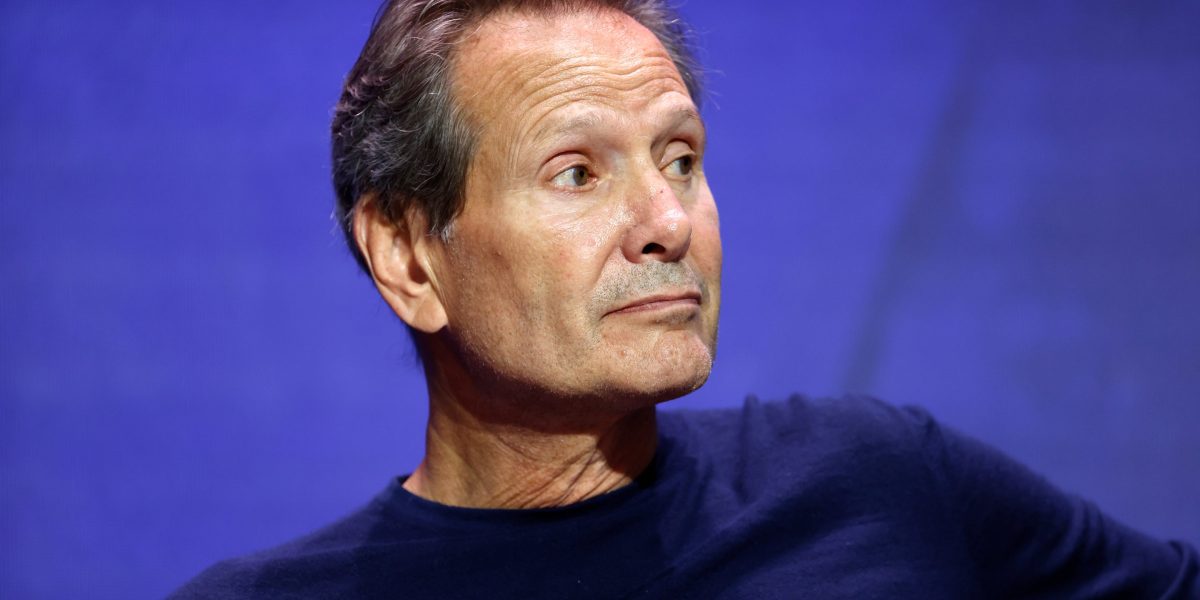
Verizon CEO Dan Schulman delivered a stark forecast at the Ford Pro Accelerate event in Detroit, suggesting that the next wave of artificial intelligence will compress a century of technological progress into a single decade. His remarks highlight how rapidly AI capabilities are advancing and what that means for industries, workers, and policymakers.
What Happened
At a panel convened by Fortune, Schulman told journalist Diane Brady that AI models are improving at a step-function pace, with power doubling every two months. He predicted that a form of artificial general intelligence could emerge within six to 18 months, and that by 2030 or 2035, humanoid robotics will become commonplace. He also outlined a quantum era in roughly two years where today's capabilities would be amplified a thousandfold.
- AGI expected within six to 18 months
- Century-scale progress compressed into ten years
- AI model improvements occurring every two months
- Quantum leap in roughly two years
- Humanoid robotics projected by 2030–2035
Why This Matters
Schulman argued that the economic and social effects of such rapid advancement will outpace the usual mechanisms for absorbing change, including training systems, labor markets, and public policy. When asked what he meant by the collapse of the 21st century in five to ten years he explained that progress typically spanning a century could occur in a fraction of that time making it difficult to fully anticipate the technology's power and reach.
The implications extend beyond tech. Verizon with more than 250000 employees and contractors is already restructuring toward a more fluid organization. Schulman announced a 70 million initiative to provide free AI training not just for Verizon staff but for American workers nationwide partnering with local organizations on career development.
Other executives on the panel offered complementary perspectives. Patti Poppe of PG&E emphasized that a digitized grid will require field workers to blend physical skills with technological fluency. Dave Regnery of Trane Technologies framed AI as a tool for efficiency noting that 30 percent of building energy is wasted and AI can recover much of that loss. Chris Nelson of Stanley Black & Decker described AI-enabled autonomous drilling robots that handle repetitive tasks freeing skilled tradespeople for higher-value work.
Key Takeaways
- Schulman cautions against assuming the labor market will naturally adjust to rapid AI adoption.
- Verizon's $70 million training initiative aims to broaden digital skills across the U.S. workforce.
- CEOs across industries view AI primarily as an augmentation tool not a simple replacement for human labor.
- Physical trades and technical roles are evolving to include technological fluency alongside traditional skills.
- Scenario planning and proactive policy are essential to manage disruption and maintain workforce stability.
Conclusion
Schulman's final prescription was straightforward business leaders and governments must prepare for multiple scenarios invest in skills development and build guardrails before the pace of change outstrips the ability to adapt. The consensus among the panelists suggests that the future of work won't be automated away entirely but it will be fundamentally different and readiness will determine who thrives.



Discussion
Join the conversation
Thoughtful reactions, questions, and follow-up ideas help shape the next story.