Introduction
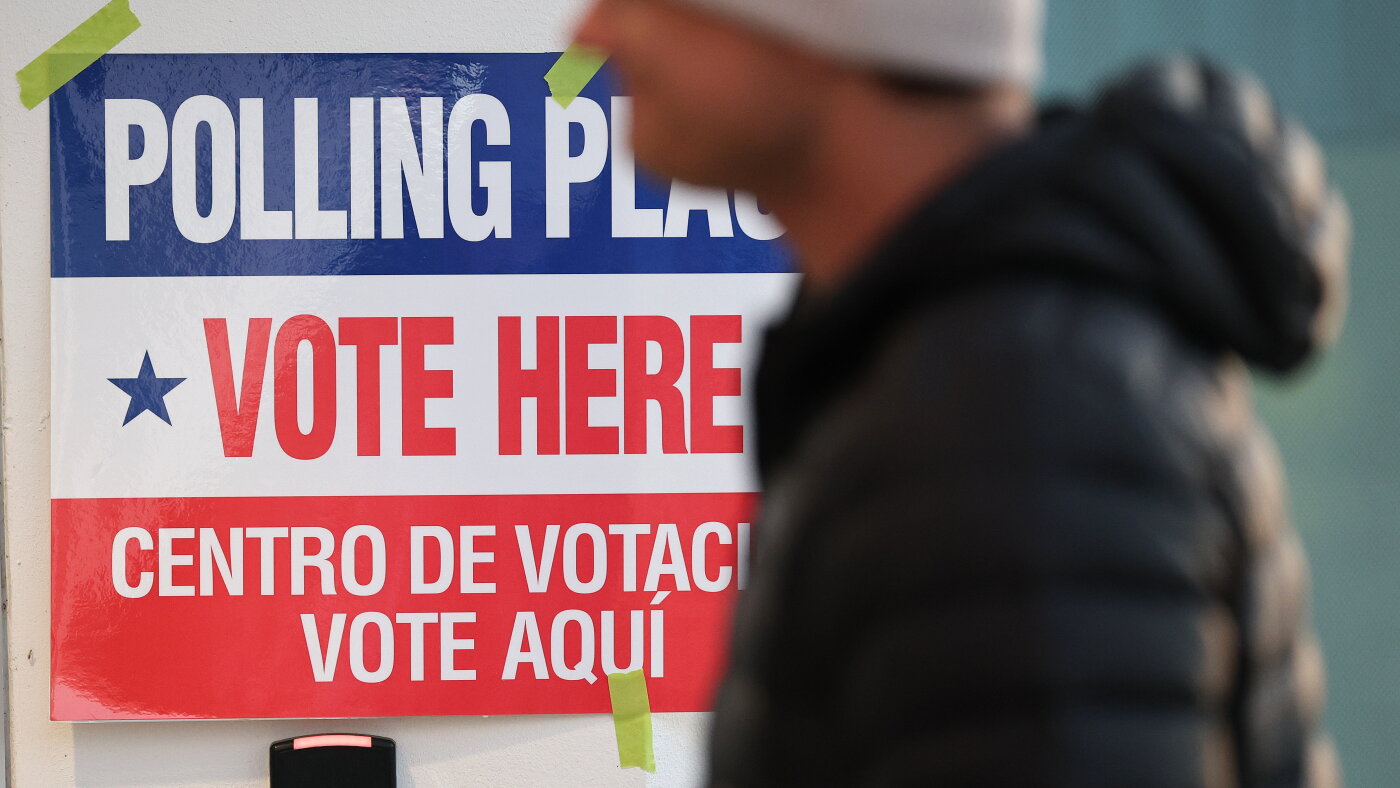
As the 2026 midterms approach, a widespread sense of unease is shaping how voters approach the polls. Across the country, people are questioning the process, worried about how their ballots will be handled, and uncertain about what to expect on Election Day. This article breaks down the sources of that anxiety and what it could mean for voter participation.
What Happened
The election season has been dominated by a fast-moving legal battle over mail voting. A Trump-era executive order to restrict absentee and mail-in ballots wound through the federal courts before the Supreme Court ultimately blocked the measure. In the end, no new rules took effect. Yet the legal roller coaster left a lasting impression on voters and officials alike. Local election administrators report a surge of public questions, and a recent email from the Department of Homeland Security has only deepened worries about possible federal involvement in the voting process. Carly Koppes, a Republican election official in Weld County, Colorado, who has spent 22 years overseeing elections, told NPR she has never felt a cycle quite this uncertain. She is fielding constant voter concerns about how ballots are handled, tracked, and counted. Recent polling from the University of California San Diego shows that fewer than half of voters believe the upcoming midterms will be free and fair while an NPR/PBS News/Marist survey found that three out of four voters trust their state and local officials to run a fair election. About four in 10 voters expect to see federal immigration agents at their polling places, despite federal law prohibiting armed troops from election sites. Following the Supreme Court's rejection of the former president's mail ballot proposal, an NPR/PBS News/Marist poll recorded a 13-percentage-point drop in voters who expect mailed ballots to arrive on time, compared to two years prior. A separate poll commissioned by the Partnership for Large Election Jurisdictions found that 62 percent of respondents are worried that legal or political disputes over election rules could affect whether their own ballot is counted this year.
Why This Matters
With Election Day approaching, a central question emerges: will voter anxiety suppress turnout, or could it have the opposite effect? Historically, midterm participation has lagged behind presidential years, but the current climate adds complexity. UC San Diego political science professor Lauren Prather notes that the connection between voter confidence and actual participation remains surprisingly unclear. Intuitively, less trust might mean fewer voters, but systematic evidence across elections and countries is lacking. Dartmouth College political scientist Brendan Nyhan points out that despite widespread distrust, both sides still view elections as winnable. He warns that the real danger emerges after the votes are cast. Even if voters push through their fears to cast a ballot, distrust creates fertile ground for allies to challenge results and undermine legitimacy. The fact that we're in this position means we're vulnerable Nyhan said. Nyhan adds that it is possible the net effect on turnout is zero or even positive, but he emphasizes that this does not make it healthy for democracy when voters fear disenfranchisement. Threats to people's ability to cast a ballot can sometimes mobilize communities, prompting higher engagement in response.
Key Takeaways
- Voter confusion and anxiety are at record-high levels heading into the 2026 midterms.
- Legal battles over mail voting have concluded without rule changes, but the legal chaos left a lingering sense of uncertainty.
- Significant portions of the electorate doubt the fairness of the upcoming election, though trust in local officials remains relatively strong.
- Concerns about federal immigration presence at polling places persist, despite legal prohibitions.
- Election experts warn that voter distrust, regardless of actual impact, creates risks for post-election legitimacy.
- The effect on turnout remains uncertain, with experts divided on whether anxiety suppresses or mobilizes voters.
Conclusion
As the nation heads toward November, the intersection of voter emotion, legal battles, and election administration will shape the midterm landscape. Whether anxiety drives people to the polls or keeps them home, one thing is clear: the perception of election integrity may matter as much as the actual process. Officials continue to urge voters to educate themselves, trust local procedures, and remember that the strength of American democracy depends on both participation and confidence in the results.


Discussion
Join the conversation
Thoughtful reactions, questions, and follow-up ideas help shape the next story.