Introduction
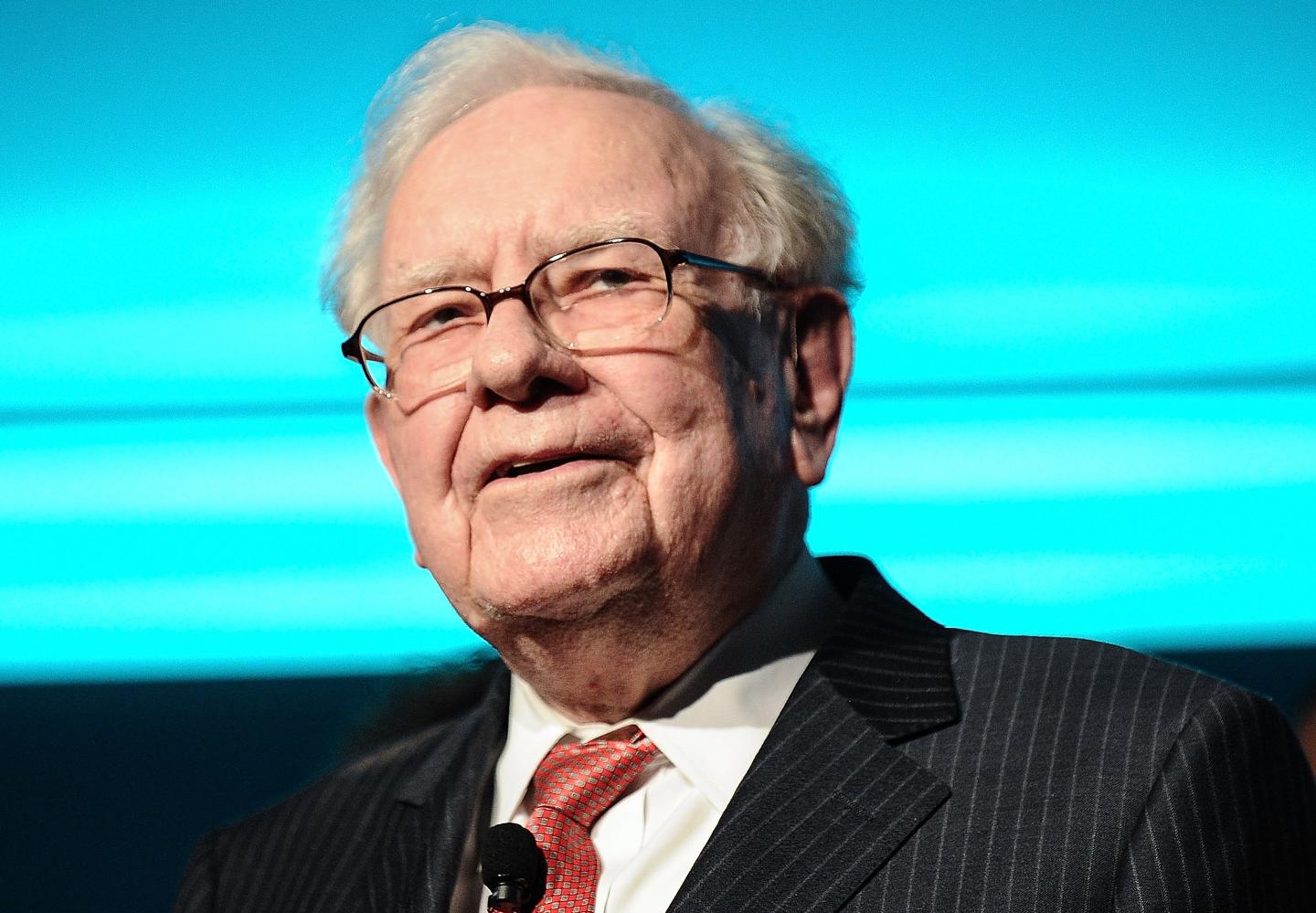
Warren Buffett has stepped down as chairman of Berkshire Hathaway after more than six decades at the helm, marking the end of an era for one of America's most closely watched conglomerates. The transition hands operational control to Greg Abel while his son Howard takes on the role of cultural guardian.
What Happened
On September 18, 2026, Buffett relinquished the chairman title, effective immediately. His son, Howard G. Buffett, a Berkshire director for 33 years, was named the new chairman. This move completes a leadership shift that began earlier when Greg Abel was appointed CEO in January. Buffett emphasized that the timing was right because Abel had already surpassed his exceptionally high expectations. In his shareholder letter, Buffett drew a clear line between day-to-day operations and cultural stewardship, stating that Greg runs the company while Howard will guard its values and culture.
Why This Matters
The succession plan separates the CEO's operating mandate from the chairman's role as culture custodian, a governance model that could shape Berkshire's future direction. Abel's capital allocation decisions in the first half of 2026 already reflect a new phase: the company deployed $39.4 billion in equity purchases, more than five times the prior year's amount, and built a $37.8 billion stake in Alphabet, its third-largest holding, fueled by a $10 billion commitment to support Alphabet's AI investments. A $6.8 billion acquisition of homebuilder Taylor Morrison and a return to $4.5 billion in share buybacks further signal how capital priorities are shifting. The real test for Abel, according to Buffett, will be preserving Berkshire's renowned discipline while making capital decisions that the Oracle of Omaha might not have made himself.
Key Takeaways
- Warren Buffett transitions from chairman to chairman emeritus, with his son Howard assuming the cultural leadership role.
- Greg Abel continues as CEO, having already exceeded Buffett's sky-high performance expectations.
- Capital allocation is accelerating, with billions directed toward AI-linked investments, homebuilding, and share repurchases.
- The succession model deliberately separates operational control from cultural stewardship, ensuring values remain central.
- Abel's leadership will be measured by his ability to maintain Berkshire's disciplined approach while pursuing new investment avenues.
Conclusion
Buffett's departure closes a six-decade chapter, but the framework he leaves behind, dividing running the business from guarding its culture, provides a clear path forward. Greg Abel oversees the engine room, while Howard Buffett watches the soul of Berkshire Hathaway. How successfully Abel navigates capital allocation without compromising the conglomerate's core principles will likely define the next era of one of America's most iconic companies.

Discussion
Join the conversation
Thoughtful reactions, questions, and follow-up ideas help shape the next story.