Introduction
Artificial intelligence is increasingly used to judge people in hiring, legal support, and human resources. Yet accuracy alone doesn't guarantee acceptance—trust is what makes an AI system usable in the real world. A founder who launched three AI-powered companies discovered a consistent pattern: judgment only works when trust is built in from the very beginning.
What Happened
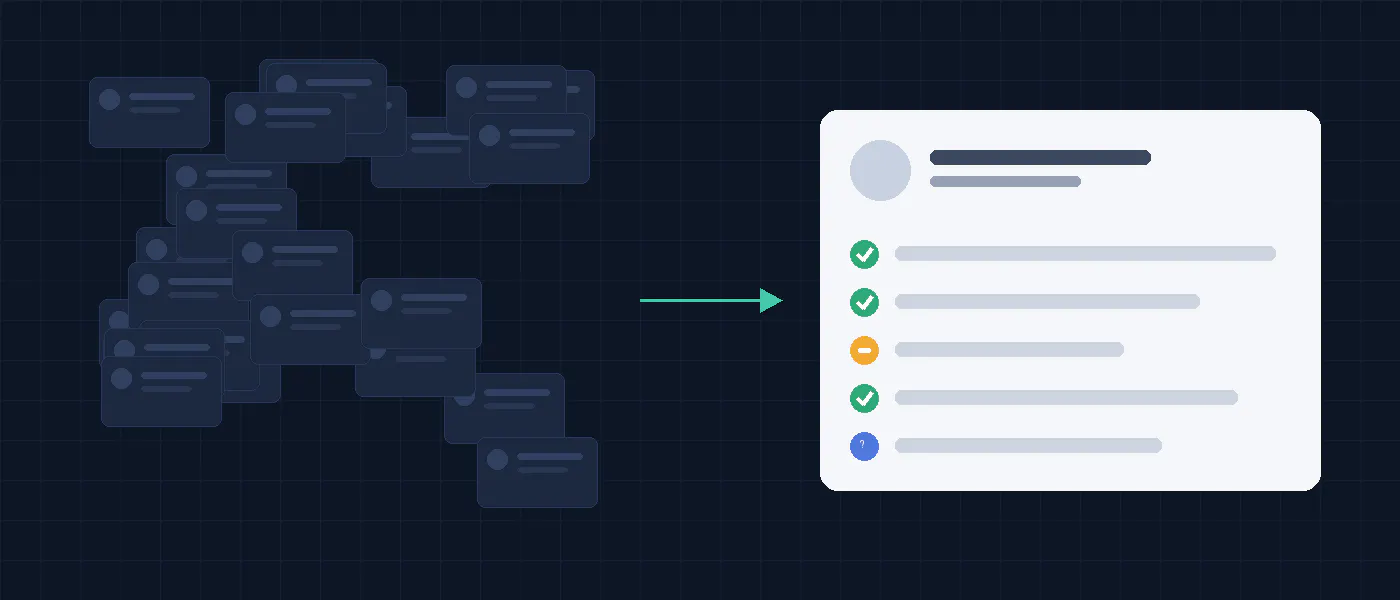
At Pravodox, the online legal marketplace, the goal was to match people with lawyers through a web platform. An AI assistant was trained on real lawyers' answers to handle routine questions. Technically, the system was sound, but users only trusted it when they could see the lawyer behind the answer and understand the reasoning. When context was hidden, doubt crept in even if the answer was correct. At Jinn, an HR-tech platform, AI turned assessment data into recommendations, but HR directors needed more than a score—they needed explanations they could share with managers and employees. At Narvalus, an AI recruiting agent was built for U.S. hiring teams, where compliance with bias audit requirements and clear explainability are mandatory due to stricter regulations. Across all three ventures, the pattern was clear: people reject what they cannot understand, even when the system is right.
Why This Matters
AI judgment has real consequences: it determines who gets an interview, who receives legal aid, and how employees are evaluated. Regulations such as New York City's Local Law 144 and the EU AI Act require transparency, bias audits, and notice to affected individuals. Companies that embed explainability and audit trails from the start avoid legal risk and build stronger customer relationships. For founders, trust isn't a nice-to-have feature—it's the deciding factor in whether an AI product is adopted, purchased, and scaled.
Key Takeaways
- Automate the standard, keep humans for the unusual. Routine tasks should be handled by AI, but unusual cases are where human judgment is irreplaceable.
- Explanations matter as much as scores. A score without clear reasoning fails the why test and erodes trust.
- Build audit capabilities early. Store demographic data separately from scoring so bias reports are credible and compliant.
- Design for the skeptic. Regulators, lawyers, and the people affected by the AI must be able to understand every output.
- Let the product prove its value. A free trial on real open roles is the fastest way to show recruiters that a trustworthy shortlist improves their workflow.
Conclusion
The founder expects that in a year or two, AI will handle routine screening while humans focus on complex decisions. But the real win isn't just automation—it's building systems that people trust from the first interaction. For any founder building AI that judges people, the rule is clear: make the explanation hold up to the most skeptical observer, and structure your business around that skepticism.






Discussion
Join the conversation
Thoughtful reactions, questions, and follow-up ideas help shape the next story.