Introduction
Every decade produces a handful of high school football players who are crowned the nation’s top prospect, carrying immense expectations into college programs and, for many, the NFL. The 2010s were no exception, delivering a class of elite talents whose careers have taken wildly different courses. From generational stars who became franchise cornerstones to highly touted recruits who failed to translate their prep dominance into pro success, the journey of the top-ranked prospects from that era offers a revealing look at the gap between hype and reality.
What Happened
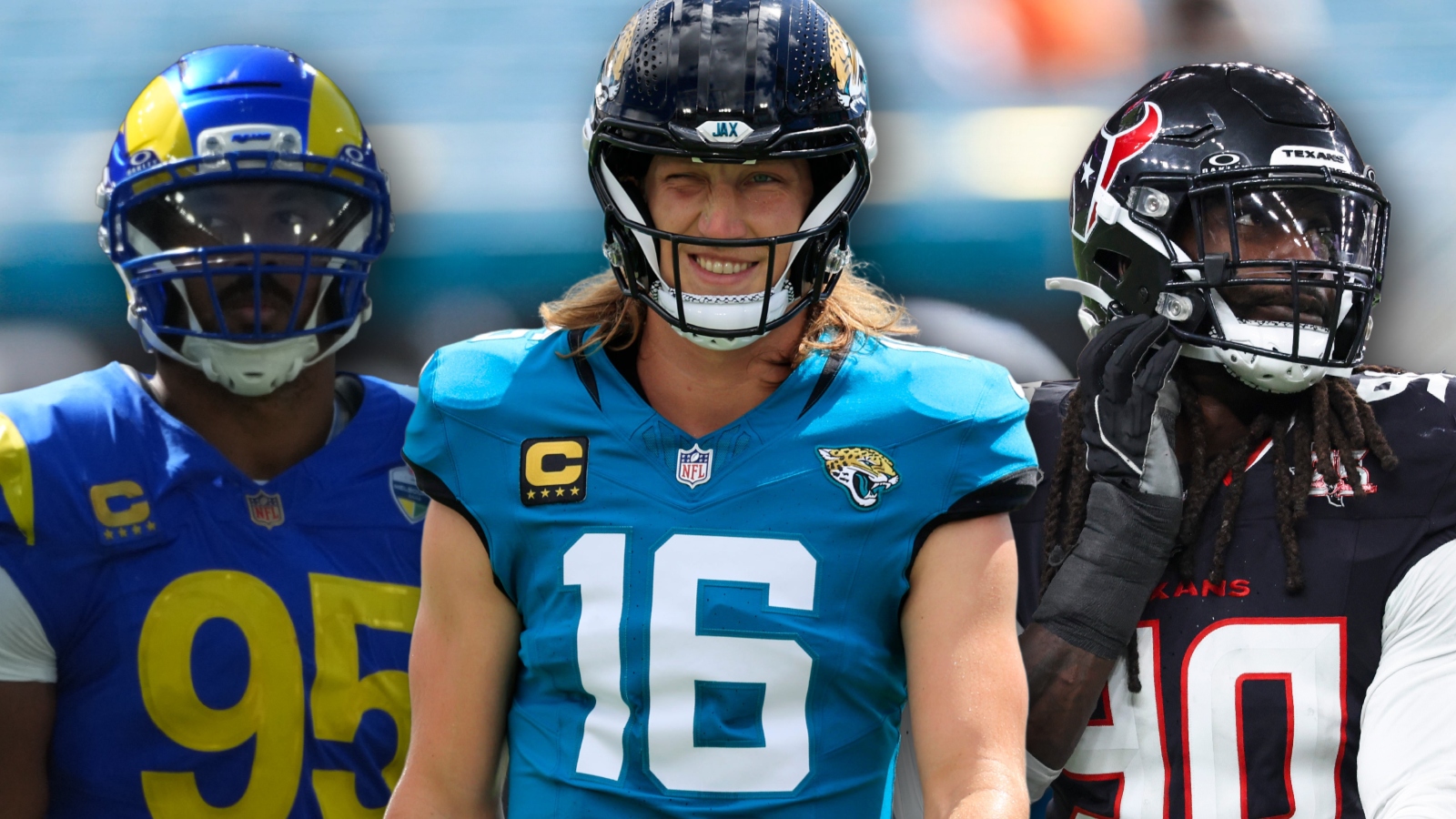
Among the most prominent was Jadeveon Clowney, the South Carolina native who emerged as a disruptive defensive force, earning Pro Bowl recognition and becoming a cornerstone defensive player after being selected first overall in 2014. Trevor Lawrence, the quarterback from Cartersville, Georgia, translated his legendary high school run into a national championship at Clemson and eventually became a franchise signal-caller in the NFL after being chosen with the top pick in 2021. Myles Garrett, the defensive end from Arlington, Texas, turned his Texas A&M dominance into a seven-time Pro Bowler and two-time Defensive Player of the Year, though his Browns tenure ended with a trade to the Rams in 2026. Other top recruits faced different outcomes: some became solid NFL contributors, while others struggled with injuries, off-field issues, or simply couldn't replicate their prep success at the professional level. The decade also produced notable busts, including defensive tackle Trenton Thompson, who went undrafted despite heavy recruitment, and Robert Nkemdiche, whose pro career fizzled after a promising college start.
Why This Matters
Understanding what happened to the nation’s top high school recruits provides more than nostalgic curiosity—it offers valuable perspective on the unpredictability of player development, the pressure of early rankings, and how college systems and professional environments shape careers. For fans, it’s a reminder that a No. 1 ranking is just a starting point; for analysts, it underscores the limitations of scouting forecasts; and for current prospects, it serves as both inspiration and cautionary tale about the work required to sustain success beyond the prep level.
Key Takeaways
- Some top-ranked recruits, like Myles Garrett and Trevor Lawrence, turned elite high school status into long NFL careers and individual honors.
- Several highly touted prospects, including Robert Nkemdiche and Trenton Thompson, failed to translate college success into pro production, landing on the bust list.
- Injuries and off-field factors derailed careers for players like Jaelan Phillips and Ronald Powell, highlighting the physical and mental demands of the transition to professional football.
- The 2010s recruiting class produced a mix of Pro Bowlers, role players, and outright busts, illustrating that early rankings are not guarantees of longevity.
- Trevor Lawrence’s post-college breakout and Myles Garrett’s sustained excellence demonstrate that work ethic, adaptability, and system fit often separate lasting NFL careers from short-lived ones.
Conclusion
The legacy of the 2010s’ top high school football recruits is a testament to the volatile nature of athletic stardom. While a handful of names became generational talents, the majority’s paths remind us that rankings are merely predictions, not destinies. For the next generation of prospects, the story serves as both a benchmark and a caution: hype must be backed by relentless development, resilience, and the right opportunities to endure.


Discussion
Join the conversation
Thoughtful reactions, questions, and follow-up ideas help shape the next story.