Introduction
Scaling AI agents by copying a single brain seems efficient, but it quickly hits a wall. Identical agents observe the same details and ignore the same blind spots, producing redundant output from the same input.
What Happened
I experimented with duplicating agent brains across multiple instances. The result was predictable: ten agents produced ten identical sets of notes from a single meeting, each missing the same nuances. The analogy becomes clear when we consider a company meeting—team members share the same context, but roles filter what each person surfaces first.
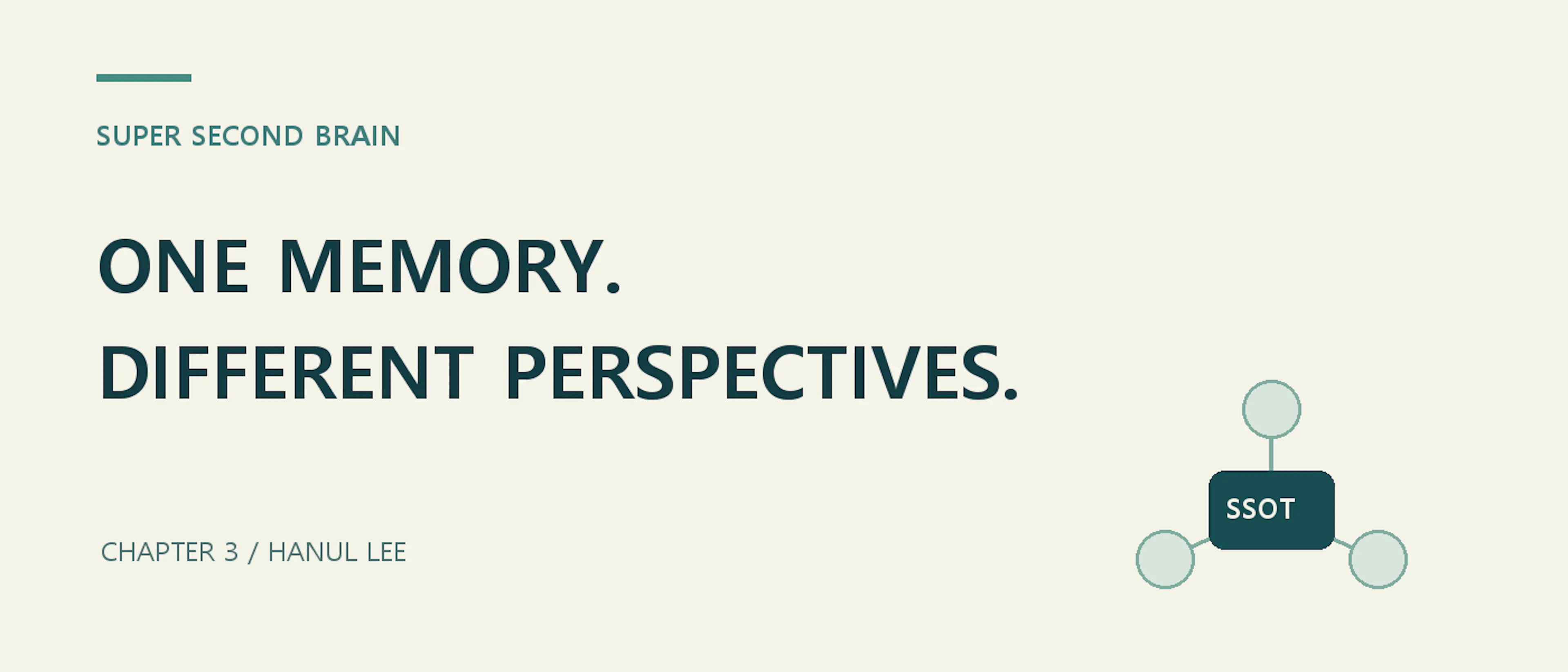
This insight shifted the approach from duplication to shared foundation with differentiated lenses. By establishing a Single Source of Truth (SSOT) while letting each agent retain its own perspective, accumulated experiences, and habitual judgment style, three agents emerging from the same meeting produce three distinct, valuable sets of notes—all rooted in the same context.
Why This Matters
Shared memory alone doesn't guarantee diverse output. The real shift happens when agents develop individual identities over time. Frameworks like Letta, which grew from the MemGPT paper at UC Berkeley, treat agent memory like an operating system: moving between open RAM and stored disk, letting the agent itself organize, revise, and retain notes across sessions.
When an agent remembers a hypothesis from three months ago that proved wrong, it becomes cautiously different next time. That stubborn streak is the agent's evolving identity—a far cry from static system prompts. The loop is real: actions become events, events rewrite the shared memory, and the next cycle begins with a slightly altered agent.
Key Takeaways
- Duplicating agent brains yields redundant notes and limited perspective.
- Shared SSOT plus differentiated lenses produces richer, more varied insights from the same input.
- Letta’s architecture treats memory as agent-owned, enabling identity and evolution over time.
- Role-specific priorities, accumulated experience, and habitual judgment are what separate one agent's output from another's.
- Scalable AI teams grow not from copies, but from organized diversity rooted in common context.
Conclusion
The most effective AI agent ecosystems treat shared memory as a foundation, not a shortcut. By letting agents develop their own perspectives, remember their own histories, and evolve their own judgment, we move from armies of copies to organizations of intelligent, adaptable participants. Which perspectives would you give your agents if they all shared the same brain?


Discussion
Join the conversation
Thoughtful reactions, questions, and follow-up ideas help shape the next story.