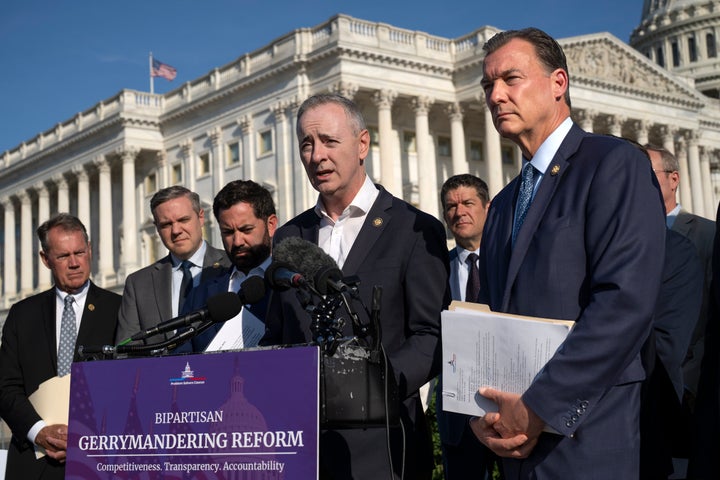
Pennsylvania's 1st Congressional District has become a focal point in the 2026 midterms, as Republican incumbent Brian Fitzpatrick faces a serious challenge from Democrat Bob Harvie. Despite positioning himself as a moderate voice willing to break with former President Donald Trump, Fitzpatrick's political future remains uncertain in a district that has grown increasingly competitive.
Introduction
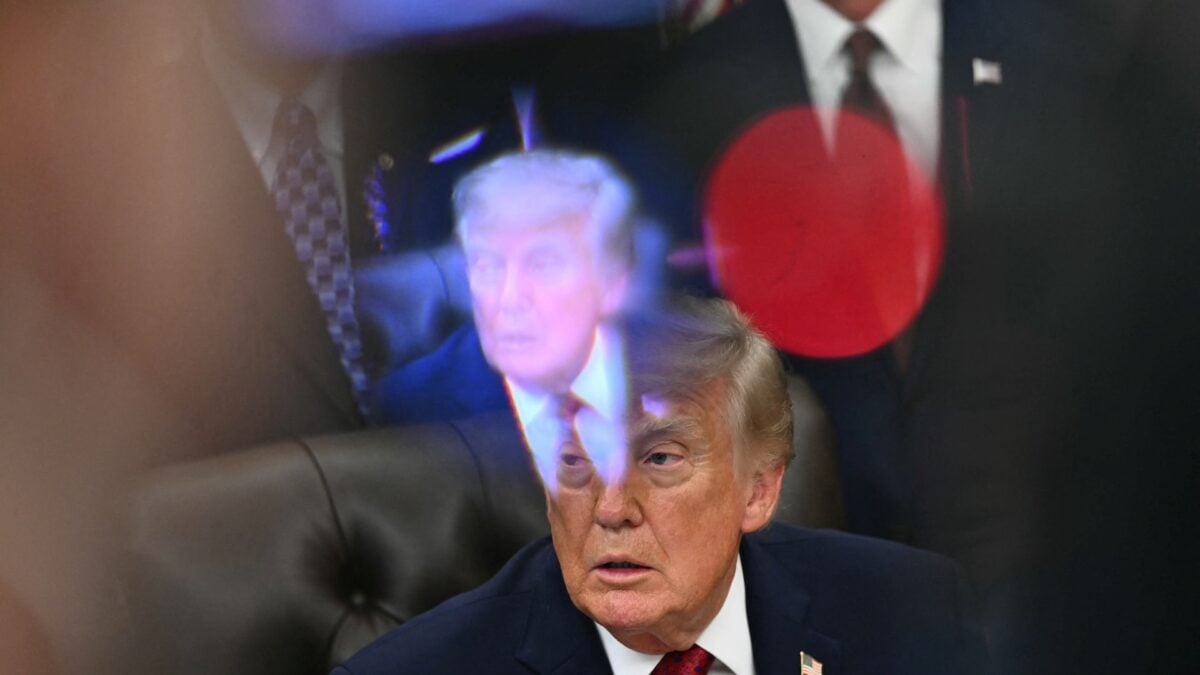
Voter sentiment toward former President Donald Trump is reshaping competitive House races, and Pennsylvania's 1st District is no exception. As Republicans grapple with a divided electorate, Fitzpatrick's attempts to distance himself from Trump may determine his electoral fate.
What Happened
The race took a notable turn when longtime Republican supporter Mary Ryan announced she would vote for Harvie, citing disillusionment with Trump's style and governance. Ryan's decision highlights a broader tension among voters who back Fitzpatrick personally but reject the former president's influence. Fitzpatrick has indeed distanced himself from Trump: he voted against the former president's tariffs, tax legislation, and war powers resolution, and he skipped Trump's recent midterm convention in Dallas. Yet these moves have not erased the headwinds. His Democratic opponent, Bob Harvie, a former county commissioner and social studies teacher, has deep roots in the district and argues he represents a true break from the national party's current direction. Fitzpatrick, a former FBI agent and federal prosecutor, has spent millions on negative attack ads targeting Harvie, including claims that the Democrat is under FBI investigation, which Harvie and his attorneys deny. The congressman has also emphasized his independent streak, regularly attending local events, supporting workers on picket lines, and engaging with community groups across his district.
Why This Matters
Fitzpatrick's struggle reflects a larger dynamic in 2026 midterms, where Trump's lingering approval ratings and voter frustration over issues like fuel costs and immigration are testing even well-established incumbents. As one of the few Republicans representing a district won by Vice President Kamala Harris in 2024, Fitzpatrick's ability to separate himself from the former president could determine whether Republicans maintain their narrow House majority. The race also signals how voter sentiment toward Trump is reshaping down-ballot contests, even in districts where the incumbent has built a reputation for bipartisan outreach and fiscal conservatism. Harvie's campaign emphasizes trust in government and local credibility, arguing that Fitzpatrick's proximity to party leaders undermines his independence.
Key Takeaways
- Fitzpatrick has consistently won reelection despite his district leaning Democratic in presidential years.
- His votes against Trump's signature policies have not prevented aggressive Democratic challenges.
- Nearly $5 million in attack ads have already flooded the race, with more expected.
- Voter sentiment toward Trump remains a decisive factor, even for Republicans who distance themselves.
- The outcome could influence Republican strategy in other competitive districts.
Conclusion
Whether Brian Fitzpatrick survives the 2026 midterms may hinge on more than his efforts to distance from former President Trump. Voter loyalty, local ties, and the broader national political climate will all play critical roles. As the race unfolds, it will serve as a test case for how Republican incumbents can navigate a post-Trump landscape while holding competitive seats.


Discussion
Join the conversation
Thoughtful reactions, questions, and follow-up ideas help shape the next story.