Introduction
House hunting often comes with a mental list of dealbreakers. For one writer, that list included two specific items: an electric range and a narrow galley kitchen. The thought of a corridor-style cooking space with counters on either side was enough to skip a listing entirely. Yet fate had other plans. The home she ultimately chose—complete with hardwood floors, roomy bedrooms, and a suburban location near the city—came with exactly the kitchen layout she had sworn to avoid. Nearly a decade later, that once-despised space has become her favorite room in the house.
What Happened
During her search, the writer pictured a bright, open kitchen centered around an island where family and friends could gather. A galley layout felt like the opposite: cramped, closed off, and outdated. When she toured a property that checked nearly every other box but featured a galley-style kitchen with an electric stove, she hesitated. She made an offer anyway. After updating the countertops and backsplash, the room inched closer to her original vision, but the fundamental layout remained unchanged. Nine years on, she has stopped trying to change it and has instead grown genuinely fond of the compact workspace.
Why This Matters
Galley kitchens carry a reputation problem in many parts of the country. In an era obsessed with open-concept living, a narrow kitchen can feel like a step backward rather than a practical choice. Interior designer Madalyn McNeil explains that much of the resistance comes from a feeling of confinement; cooks don’t want to be shut away from the social action. Still, perception shifts with geography. A layout that feels claustrophobic in a sprawling Atlanta suburb can read as charmingly efficient in a New York City apartment or a Miami high-rise. McNeil also notes that buyers often struggle to visualize a galley’s potential, seeing only what appears outdated instead of recognizing its functional possibilities.
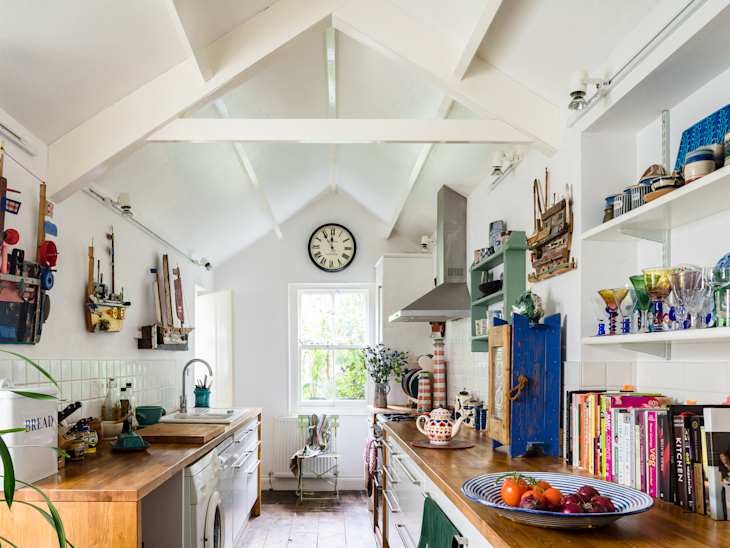
Beyond aesthetics, the galley layout offers real workflow advantages. Everything from the refrigerator to the stove sits within a few steps, eliminating the long treks common in larger kitchens. The enclosed nature of the space also creates a psychological boundary. Cooks can focus on the task at hand without feeling like every dirty dish or splattered stovetop is on display for guests in the next room. According to McNeil, the difference between a frustrating galley and a joyful one comes down to flow. Thoughtful appliance placement and adequate lighting can turn a narrow corridor into a choreographed workspace, while poor planning can make it feel like a tunnel.
Key Takeaways
- Location shapes perception. A galley kitchen that feels restrictive in a suburban home can feel like a smart, efficient choice in a dense urban apartment.
- Efficiency is built in. With counters, appliances, and storage on opposite walls, most items are within arm’s reach, cutting down on unnecessary steps while cooking.
- The space encourages intentionality. Limited square footage leaves no room for unused gadgets or clutter, forcing owners to keep only what they actually use.
- It works best as a one-cook kitchen. The narrow footprint can feel crowded with multiple people, so the layout suits households where one person typically handles meal prep.
- Design can overcome the drawbacks. Hooks, vertical shelving, slim pull-out storage, and good lighting can transform a galley from cramped to functional.
Conclusion
The writer still hasn’t warmed up to the electric stove, but her feelings about the galley kitchen itself have completely shifted. She can unload a dishwasher in the time it takes her dog to finish a meal, and she has cooked everything from weeknight pasta to holiday brunches in the compact space. She is quick to note that the layout is not right for everyone—large families or those who love cooking with company may still prefer an open floor plan. For buyers currently house hunting, her advice is simple: do not dismiss a galley kitchen outright. Consider how you actually cook and live day to day. The layout you once avoided might turn out to be exactly what you need.
Discussion
Join the conversation
Thoughtful reactions, questions, and follow-up ideas help shape the next story.