Introduction
Election night often feels like the finish line, but for many midterm races, the results announced on television aren't the final count. News organizations call races based on initial returns and demographic trends, not every ballot counted.
What Happened
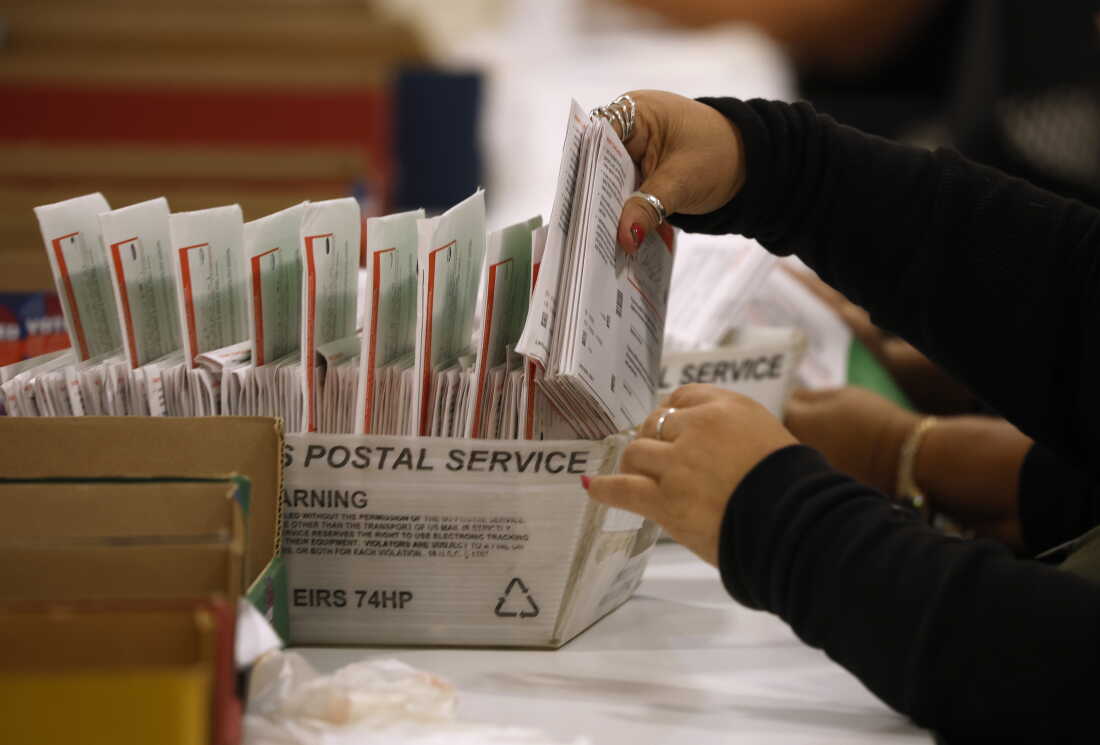
California's vote count has become a benchmark for delay. Millions of vote-by-mail ballots arrive on Election Day, creating a logjam that officials describe as a bottleneck. These ballots require envelope opening, signature verification, and processing—work that doesn't begin in earnest until the days after the election. Up to half of mail ballots in some counties are returned on Election Day alone, meaning processing work doesn't start until later in the week.
The state recently allocated $40 million to accelerate counting and fund voter education. Earlier this year, a postcard campaign in San Joaquin County showed that voters who received reminders to submit ballots early were more likely to meet deadlines that allow election-night counting. California's competitive House districts dropped from nine to three this cycle following a mid-cycle redistricting effort that responds to gerrymanders in Republican-controlled states, meaning fewer national races hinge on the state's final tally.
Why This Matters
The delay isn't just procedural. In close races, the timing of results can fuel or quash election narratives. California's slow, mail-heavy count has drawn repeated scrutiny from figures who question election integrity, even when the process is functioning as designed. Meanwhile, Alaska's 2024 House race wasn't called until 15 days after Election Day, and a tight Senate race this year could again extend the wait for partisan control.
Gerrymandering has trimmed the state's competitive House districts from nine to just three, meaning fewer national races hang in the balance. MIT Election Lab data showed Alaska was the final state to reach 95 percent of ballots counted in 2024. Although Election Day fell on November 5, the AP didn't call the state's lone House race until November 20, after Republican Nicholas Begich won by under 10,000 votes.
Key Takeaways
- Races are called by news agencies based on margins, not complete counts.
- California's mail-ballot logjam is the single biggest driver of its delayed results.
- Up to half of vote-by-mail ballots are returned on Election Day, delaying processing.
- $40 million in state funding targets faster counts and voter behavior change.
- Postcard reminders to vote earlier proved effective in San Joaquin County.
- Gerrymandering has reduced California's competitive House seats, narrowing the national impact.
- Alaska's 2024 race showed a single contest can drag into a second week.
Conclusion
Understanding why some races take days to call helps voters look beyond election night headlines. Whether through earlier voting, better information, or structural changes, the goal is a count that's both thorough and timely—without eroding public trust.



Discussion
Join the conversation
Thoughtful reactions, questions, and follow-up ideas help shape the next story.