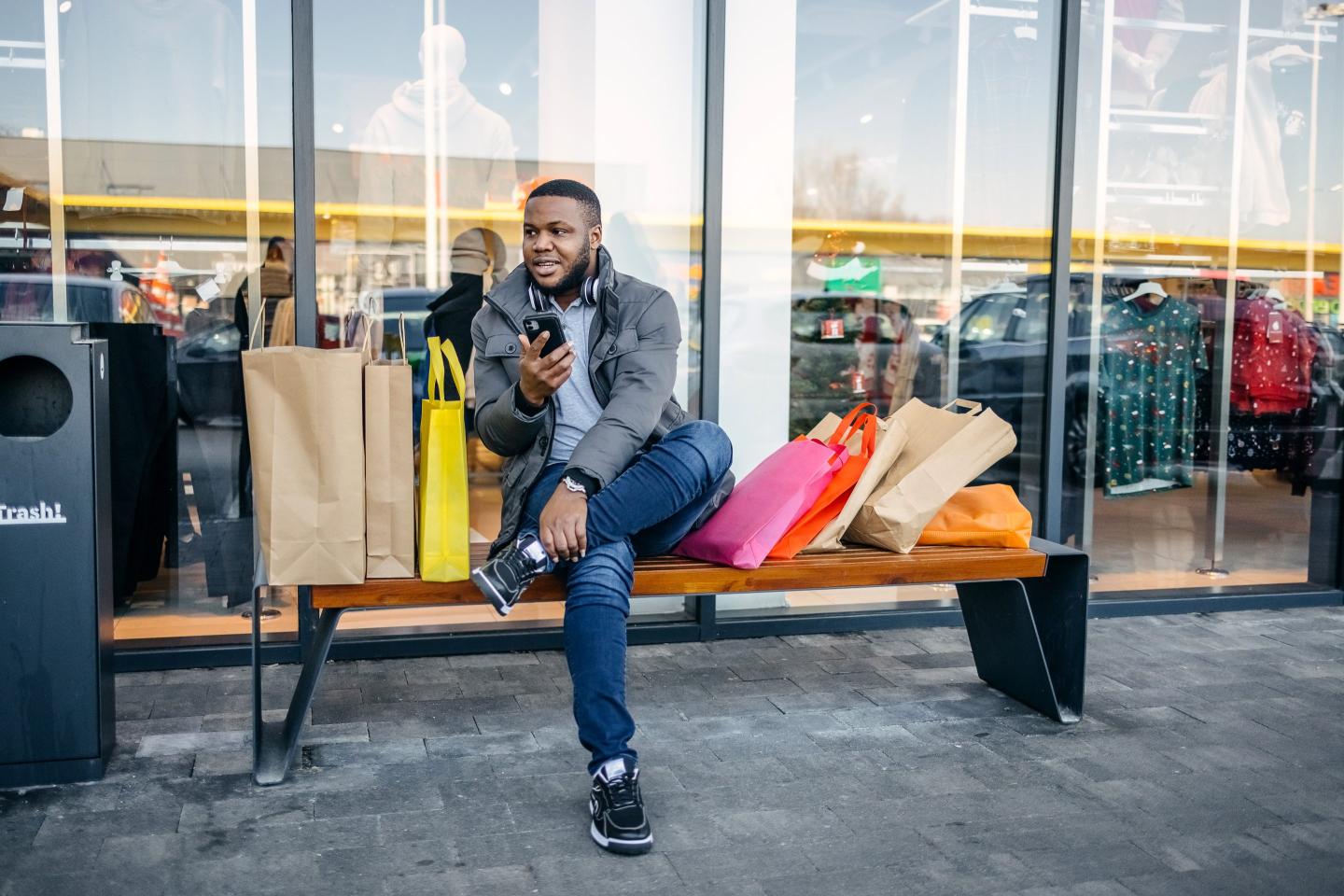
The American mall, long dismissed as a relic of the 2008 downturn, is quietly reclaiming relevance but not by returning to its old department-store formula, but by evolving into something altogether different. Today’s survivors are trading quiet corridors for vibrant hubs where food, fitness, entertainment, and community space take center stage. For a generation that values experience over expedience, the mall is reemerging as more than a shopping venue; it’s a destination.
Introduction
Since 2008, roughly 200 malls across the United States have closed their doors, according to commercial real estate analytics firm Green Street. Yet the properties that have survived have seen their values climb 13 percent over the past year—the strongest gain of any major commercial real estate sector. Data from Placer.ai shows indoor-mall visits from January through August rose 2.5 percent year-over-year, bringing total traffic within 1.3 percent of the pre-pandemic 2019 level. This rebound isn’t accidental; it’s the result of a deliberate shift in how malls are designed, leased, and experienced.
What Happened
Traditional malls relied on anchor department stores to drive traffic, but those anchors often dictated which retailers could move in, excluding everyday services like drugstores, grocery outlets, and even shopping carts. Underhill, often called the godfather of retail anthropology, argued that this made malls an incomplete solution for frequent visitation. Malls abroad succeeded by integrating food, recreation, services, and social spaces that encouraged repeat trips. American malls are now catching up, adding gyms, daycare centers, medical offices, restaurants, and beauty services to become destinations where people linger regardless of whether they entered with a shopping list.
Why This Matters
Over the past year, surviving malls have outperformed other commercial real estate sectors with a 13 percent value increase, according to Green Street data. Indoor-mall visits are nearly back to 2019 levels, with a 2.5 percent year-over-year rise and traffic just 1.3 percent below pre-pandemic totals. Gen Z women surveyed by Westfield Rise identified the mall as the top place to spend time with friends, with 73 percent naming it their preferred hangout. Thirty-seven point six percent of indoor-mall visits in 2025 lasted more than 75 minutes, outpacing open-air centers and outlet malls. Mall transformations typically take about two years, meaning quarterly reporting cycles often clash with the pace of physical reinvention. Only about 250 of the roughly 900 malls tracked by Green Street are benefiting meaningfully from the comeback, leaving underinvested properties behind. The strongest malls lean heavily on affluent shoppers benefiting from a rising stock market, but a prolonged market correction could weaken tenant sales and stall store-opening plans.
Key Takeaways
- Over the past year, surviving malls have outperformed other commercial real estate sectors with a 13 percent value increase, according to Green Street data.
- Indoor-mall visits are nearly back to 2019 levels, with a 2.5 percent year-over-year rise and traffic just 1.3 percent below pre-pandemic totals.
- Gen Z women surveyed by Westfield Rise identified the mall as the top place to spend time with friends, with 73 percent naming it their preferred hangout.
- Thirty-seven point six percent of indoor-mall visits in 2025 lasted more than 75 minutes, outpacing open-air centers and outlet malls.
- Mall transformations typically take about two years, meaning quarterly reporting cycles often clash with the pace of physical reinvention.
- Only about 250 of the roughly 900 malls tracked by Green Street are benefiting meaningfully from the comeback, leaving underinvested properties behind.
- The strongest malls lean heavily on affluent shoppers benefiting from a rising stock market, but a prolonged market correction could weaken tenant sales and stall store-opening plans.
Conclusion
The mall’s revival isn’t a rescue of the old model, but a sorting of its strongest survivors. For Gen Z, the appeal blends nostalgia with practicality—the couch outside fitting rooms, the group chat, the unplanned afternoon that turns into dinner or an arcade session. Underhill summarized the mall’s enduring advantage: people need to see, feel, touch, and smell a product to often buy it. When people enter a mall without a specific list, the space itself becomes the draw. Restaurants, gyms, entertainment venues, and even apartments now fill the gaps left by vanished department stores, turning the mall into a true third place, and sometimes a second place for those whose homes double as offices. The strongest properties prove that physical space retains value when it offers something a screen cannot: the chance to be present, together.



Discussion
Join the conversation
Thoughtful reactions, questions, and follow-up ideas help shape the next story.