Introduction
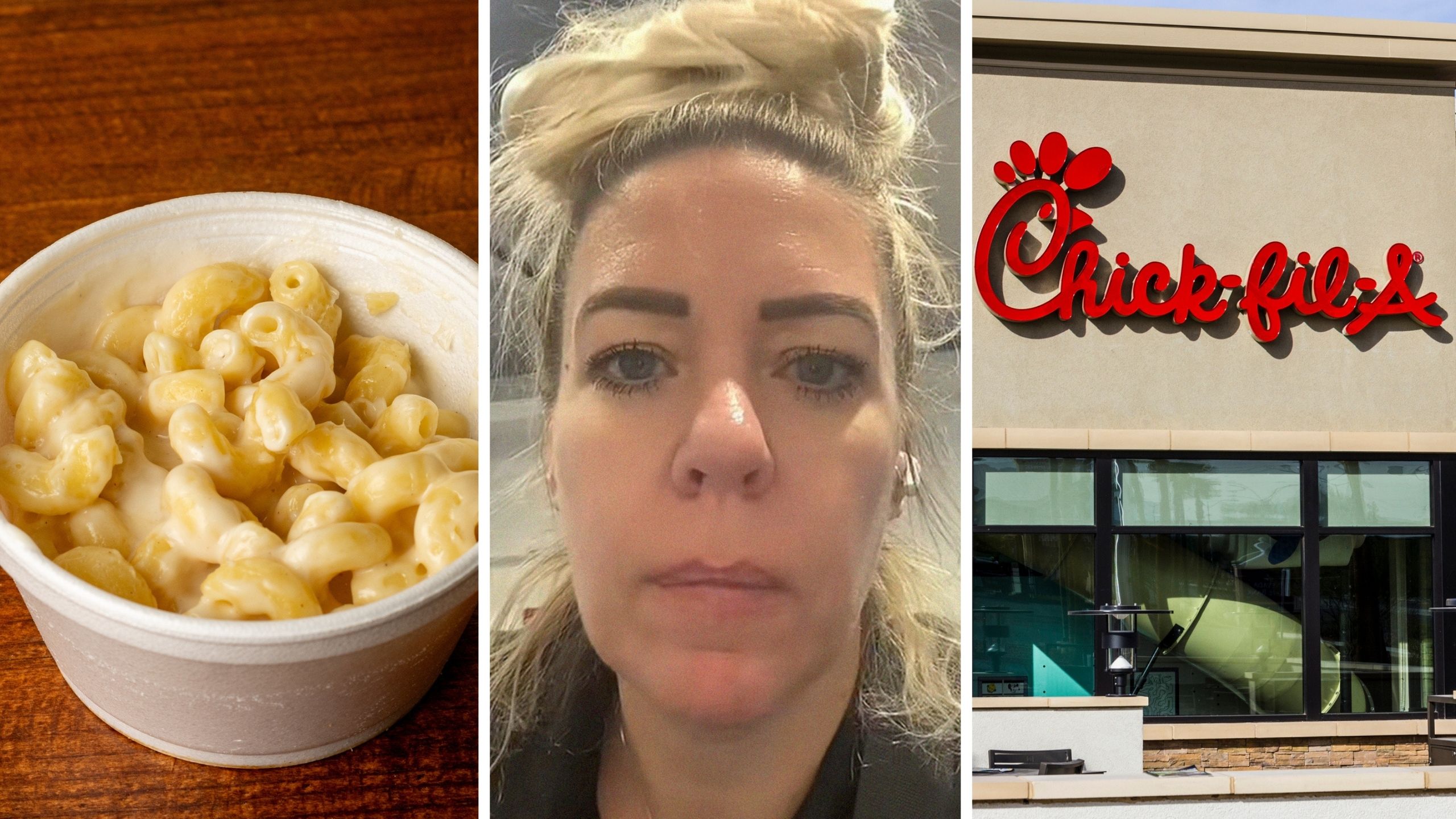
A viral TikTok from a Maryland Chick-fil-A visitor has sparked widespread conversation after a simple receipt code left a customer feeling misunderstood. What started as a missing side of mac and cheese turned into a lesson about internal restaurant terminology and the power of a single label.
What Happened
Ash, a TikToker known as @mommma_ash, visited a Chick-fil-A location in Severn, Maryland, and later discovered her order was missing the macaroni and cheese she paid for. After calling the restaurant, a manager offered her a free replacement on her next visit, which she accepted two weeks later. When she returned, the receipt printed with two notable line items: '1 Red Flag' and '1 Promo Free.' The notation sent her into a spiral of anxiety, especially given the cultural weight the term 'red flag' carries. She later discovered a hair inside the mac and cheese, which she highlighted in her follow-up video.
- She initially ordered her meal, only to realize the mac and cheese was missing.
- She called the restaurant and was told she could return for a complimentary replacement.
- Two weeks later, she went back to claim the free mac and cheese.
- The receipt featured '1 Red Flag' and '1 Promo Free,' which she initially interpreted as a personal label.
- She found a hair in the mac and cheese, which she documented in her TikTok follow-up.
Why This Matters
The incident highlights how everyday restaurant practices can unintentionally trigger strong emotional responses when customers interpret internal codes through a cultural lens. At Chick-fil-A, staff use 'red flag' as a catch-all designation for special requests, allergy accommodations, large payments, or any item that doesn't fit a standard register button. The term isn't meant to judge the customer, but its literal connotation had this diner feeling targeted. The story also raises questions about food safety and transparency when complimentary items are involved.
Key Takeaways
- The 'red flag' notation on a Chick-fil-A receipt is an internal operational code, not a customer evaluation.
- Clear communication between staff and guests can prevent misunderstandings.
- Always double-check orders, especially when receiving complimentary items.
- Viral social media posts can amplify isolated incidents, reminding both businesses and patrons of the importance of context.
Conclusion
What began as a simple quest for a free side of mac and cheese turned into a revealing look at how restaurant terminology and customer perception intersect. While the 'red flag' label is purely operational, the reaction it provoked underscores the need for clear signage and open dialogue between fast-food establishments and their guests. Next time you see an unexpected note on your receipt, a quick ask-at-the-counter moment might save a lot of unnecessary worry.







Discussion
Join the conversation
Thoughtful reactions, questions, and follow-up ideas help shape the next story.