Introduction
Researchers at NYU Langone Transplant Institute were honored by the 2026 Gizmodo Science Fair for their pioneering work in xenotransplantation, the science of transplanting animal organs into humans. Their work aims to address a critical gap in modern medicine where donor organs are severely limited.
What Happened
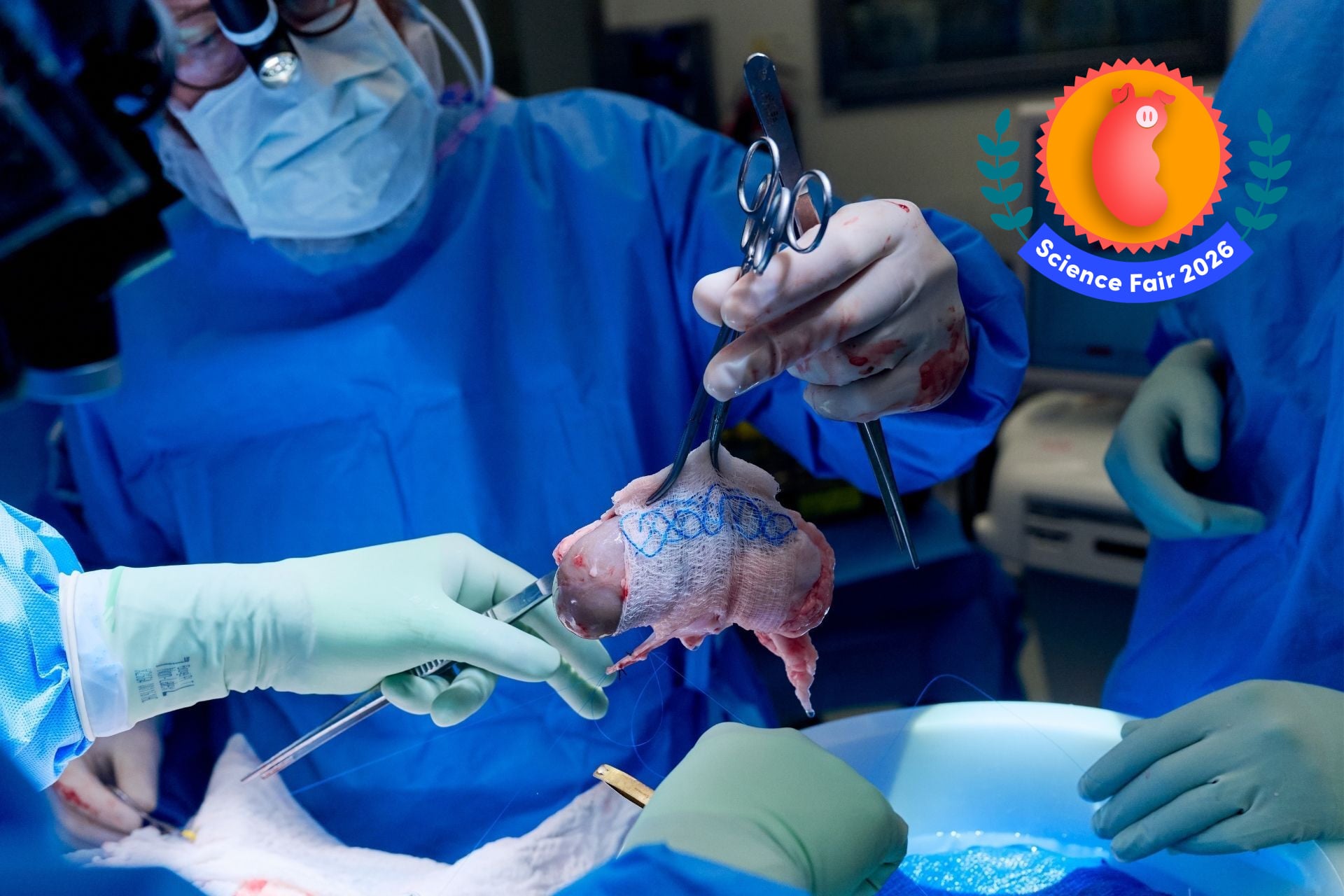
In September 2021, Dr. Robert Montgomery and his team performed the first successful transplantation of a genetically modified pig organ into a brain-dead patient, keeping the body on a ventilator for 52 hours. The pig kidney functioned like a human kidney with no immediate rejection. Since then, the team has conducted six such studies, including two involving pig hearts, and has extended the procedure to compassionate-use cases for patients with no other options.
- First pig-to-human organ transplant in 2021, 52-hour observation period
- Gene-edited pig kidney procedure performed in November 2024
- Six total studies conducted, two with pig hearts
- Compassionate-use transplants in patients with end-stage disease
Why This Matters
More than 100,000 Americans currently await organ transplants, with a new name added to the waiting list every seven minutes. Yet only about 49,000 transplants are performed each year, and 12 people die daily while waiting. Gene-editing tools like CRISPR have made it possible to modify pig organs, removing sugars that trigger rejection and adding genes that improve compatibility.
Despite progress, challenges remain. A recent gene-edited pig kidney transplant survived for 271 days in a human recipient, far short of the years or decades typical with human donors. Earlier setbacks, including a hidden virus in a pig organ, have led to improved screening protocols. Montgomery, who received a human heart transplant in 2018, notes that personal experience with the waiting list reshaped his commitment to finding alternative organ sources.
Key Takeaways
The EXPAND study, sponsored by United Therapeutics, will enroll its first six patients who are ineligible for conventional transplants, with plans to expand to 44 additional patients by 2027, including those on the waiting list facing higher risk. If results are positive, the FDA could approve wider use of gene-edited pig kidneys within five years. The research involves a network of approximately 300 to 400 collaborators, including pig breeders, gene-editing specialists, surgical teams, and pharmaceutical partners. Ten medical centers are expected to participate once the trial expands, and eGenesis is advancing a parallel clinical trial with its own gene-edited pig kidney.
Beyond the trial, the long-term vision is a future where organs are manufactured on demand, eliminating the waitlist and potentially extending both lifespan and healthspan for patients facing organ failure.
Conclusion
Xenotransplantation is transitioning from experimental proof-of-concept to a potentially scalable clinical reality. While the field is still in its early stages, the momentum gained from gene-editing advances, rigorous trial design, and multidisciplinary collaboration suggests a future where organ scarcity may no longer dictate who receives life-saving treatment. The next few years of data will be crucial in determining whether gene-edited pig organs become a standard option for patients in need.



Discussion
Join the conversation
Thoughtful reactions, questions, and follow-up ideas help shape the next story.